The Rhythmic Touch of Therapeutic Hammers
The soft thudding sound fills the treatment room as a specially designed hammer moves across your back in measured, rhythmic patterns. Unlike the sharp percussion you might expect, hammer tapping feels more like gentle drumming on your skin—purposeful yet soothing. The practitioner's movements follow invisible pathways across your body, sometimes quick and light, sometimes slow and deliberate, creating vibrations that seem to penetrate deeper than surface touch.
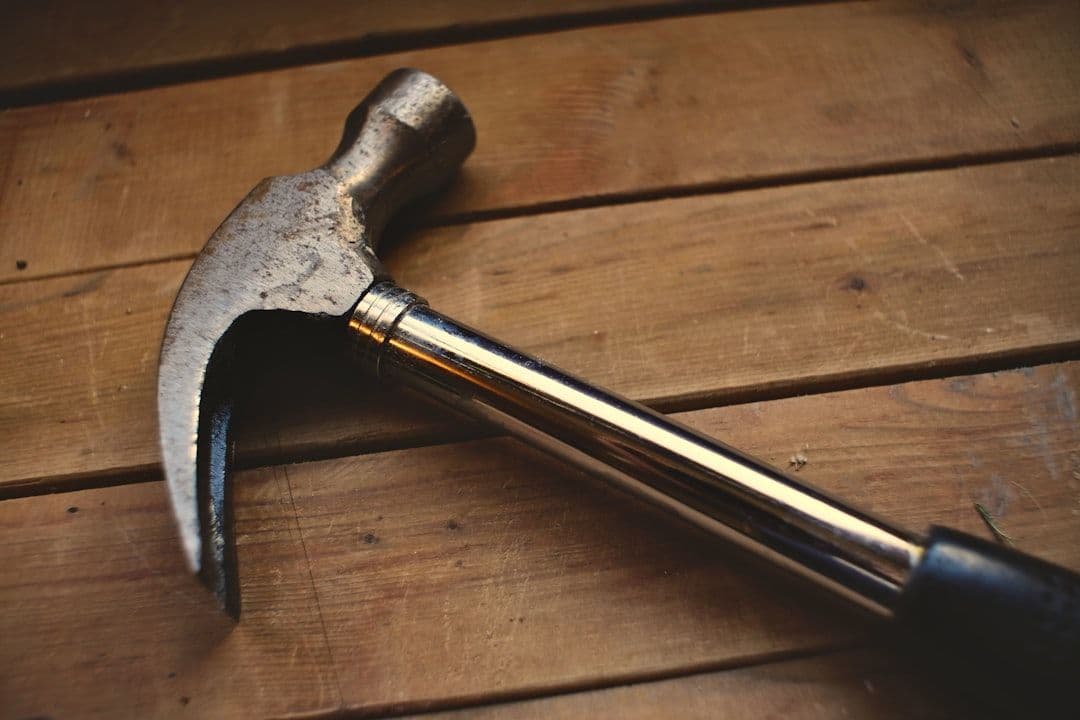
This is hammer tapping, a therapeutic technique that transforms an everyday tool into an instrument of healing. The hammers themselves are far from hardware store implements—they feature soft, padded heads designed to deliver therapeutic vibration without causing discomfort or tissue damage. Some are made with rubber, others with soft plastic or even bamboo, each creating a distinct quality of percussion that practitioners match to specific treatment goals.
Ancient Percussion in Modern Practice
Hammer tapping emerges from the rich tradition of Chinese medicine, where practitioners have long understood that health flows through precise pathways in the body. Within this framework, gentle percussion serves to stimulate qi circulation along meridian lines, much like acupuncture achieves through needle insertion at specific points.
The practice likely evolved from early Chinese bodywork techniques that used various tools to enhance therapeutic touch. Historical records suggest that different forms of percussion therapy have been used across Asia for centuries, with practitioners developing specialised tools and techniques based on regional healing traditions.
In contemporary practice, hammer tapping has expanded beyond strict Traditional Chinese Medicine protocols. Modern practitioners often integrate Western understanding of fascia, muscle tension, and circulation, creating approaches that honour traditional meridian theory whilst incorporating current knowledge of how percussion affects soft tissue and blood flow.
How Gentle Percussion Creates Change
Within the Traditional Chinese Medicine framework, hammer tapping works by stimulating qi flow along meridian pathways that connect different organs and body systems. Practitioners believe that blocked or stagnant energy creates discomfort and dysfunction, whilst smooth qi circulation supports optimal health. The rhythmic percussion helps disperse stagnation and encourage balanced energy flow throughout the body.
From a biomedical perspective, the gentle impacts create mechanical stimulation that may increase local blood circulation and activate the nervous system's relaxation response. The vibrations travel through skin, fascia, and muscle tissue, potentially helping to release tension patterns and improve tissue flexibility. Some practitioners suggest that the rhythmic nature of the tapping may also influence brainwave patterns, promoting a meditative state similar to what people experience during other repetitive, rhythmic activities.
The depth and intensity of treatment can be precisely controlled through hammer weight, padding softness, tapping speed, and applied pressure. This allows practitioners to tailor the sensation from barely perceptible touches to more substantial percussion that reaches deeper tissue layers.
Who Seeks the Gentle Hammer
People often discover hammer tapping when seeking alternatives to more intensive bodywork. Those who find traditional massage too intense—whether due to sensitivity, injury recovery, or personal preference—may appreciate the controlled, predictable nature of percussion therapy. The technique can be particularly appealing for individuals who want therapeutic touch without the vulnerability that comes with deeper manual therapy.
People dealing with chronic muscle tension, particularly in the shoulders, neck, and back, frequently explore hammer tapping as part of their wellness routine. The technique is also sought by those interested in Traditional Chinese Medicine approaches to circulation and energy balance, especially when combined with other TCM practices like acupuncture or herbal medicine.
Some find hammer tapping helpful during periods of high stress, as the rhythmic percussion can create a meditative quality that promotes mental calm alongside physical relaxation. Office workers with postural tension and athletes seeking gentle recovery methods also form part of the typical client base.
A Session of Rhythmic Precision
A hammer tapping session typically begins with a consultation where the practitioner assesses your current concerns and treatment goals. You'll usually lie on a massage table, either fully clothed or with minimal clothing removal, depending on the areas being treated and practitioner protocols.
The treatment itself involves systematic percussion across targeted areas of your body. Your practitioner will use different hammers throughout the session—perhaps starting with lighter tools for sensitive areas before moving to slightly heavier ones for larger muscle groups. The tapping follows specific patterns, often tracing meridian lines or targeting particular muscle groups based on your individual needs.
Session length typically ranges from 30 to 60 minutes, with the practitioner adjusting rhythm and intensity throughout. You might experience the tapping as waves of gentle drumming, sometimes rapid and energising, other times slow and deeply relaxing. Many people find the experience surprisingly meditative, with the rhythmic percussion creating a trance-like state that allows both physical and mental tension to release.
Practitioners often recommend regular sessions rather than one-off treatments, suggesting that the cumulative effects of repeated sessions provide greater benefit than single interventions.
Finding Your Practitioner
Hammer tapping practitioners typically train within Traditional Chinese Medicine or complementary therapy frameworks. Look for practitioners who hold qualifications from recognised institutions and maintain membership with professional bodies like the CNHC or FHT. Many will have trained in acupuncture or Chinese medicine more broadly, incorporating hammer tapping as part of their therapeutic toolkit.
Session costs generally range from £40 to £80, varying by location, practitioner experience, and session length. Some practitioners offer hammer tapping as part of broader TCM treatments, whilst others specialise specifically in percussion therapies.
When choosing a practitioner, ask about their training background, experience with hammer tapping specifically, and their approach to treatment planning. A skilled practitioner should be able to explain how they select different tools and techniques based on your individual presentation, and should always conduct proper health screening before beginning treatment.
Some wellness centres and TCM clinics offer hammer tapping alongside other services, which can provide a good opportunity to explore the technique within a broader holistic health approach.