Before You Arrive
Wear loose, comfortable clothing that allows easy access to your arms, legs, and back. Cotton or linen works well—avoid tight-fitting garments or synthetic fabrics that might create static. You'll remain fully clothed throughout the session.
Eat lightly beforehand rather than arriving hungry or overly full. Some practitioners suggest avoiding caffeine for a few hours before treatment, as the relaxing effects may be more pronounced when your nervous system isn't stimulated. Drink water normally—there's no need to increase or restrict fluid intake.
Bring a list of any medications you're taking and mention recent injuries or areas of particular tension. Arrive a few minutes early to complete any intake forms and discuss your specific concerns with the practitioner.
The Session Itself
You'll begin with a brief consultation where the practitioner asks about your health history, current concerns, and what you hope to achieve. This typically takes 10-15 minutes and helps them tailor the treatment approach.
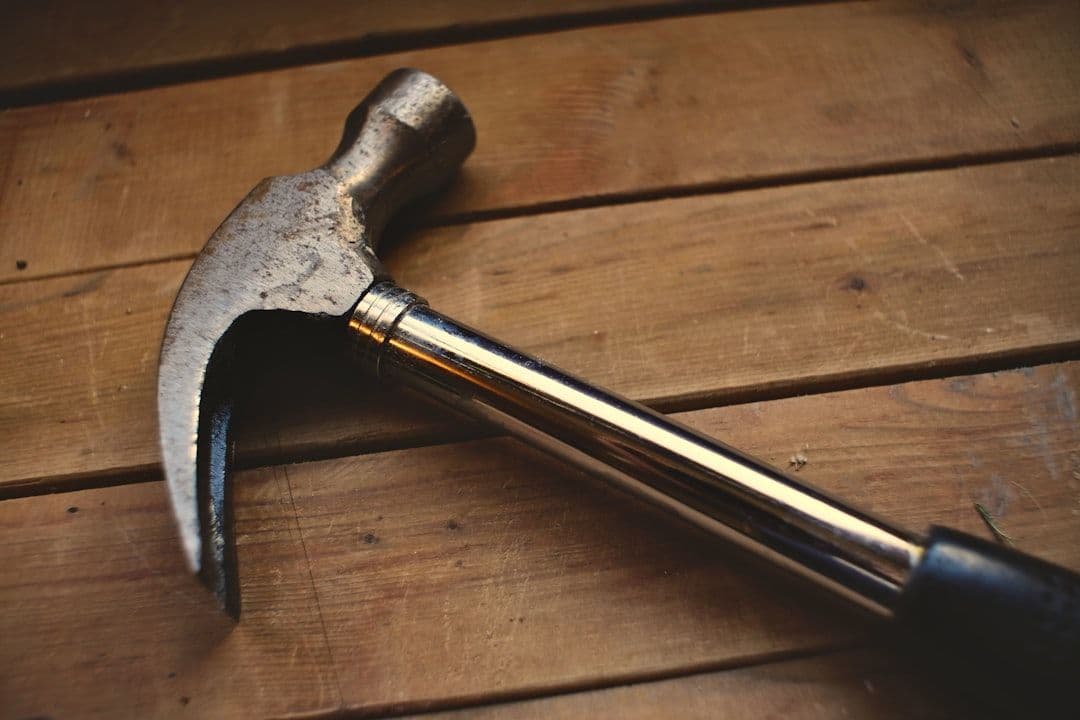
The treatment room is usually quiet and comfortably lit. You'll lie on a massage table or comfortable mat, remaining fully dressed. The practitioner uses a specially designed soft hammer—quite different from a carpenter's tool. These therapeutic hammers have padded heads and are specifically weighted for bodywork.
Treatment begins gently, often starting with your back or shoulders. The practitioner applies rhythmic tapping motions along meridian pathways and areas of muscular tension. The percussion feels like gentle drumming on your body—rhythmic and soothing rather than forceful. They may vary the intensity and speed depending on the area being treated and your response.
Session duration typically ranges from 45 to 60 minutes. The practitioner will work systematically across different body areas, spending more time on regions where they detect tension or where you've reported discomfort. You can communicate throughout the session if pressure needs adjusting or if any area feels uncomfortable.
What You Might Experience
During treatment, most people report feeling deeply relaxed as the rhythmic tapping creates a meditative quality. The gentle percussion often produces a pleasant tingling sensation, and you may notice areas of tension beginning to soften. Some people experience a warm feeling in treated areas as circulation increases.
It's common for the mind to quieten during sessions, with some people entering a light sleep-like state. Others remain alert but feel deeply calm. Occasionally, people experience emotional releases—this is considered normal within the traditional framework and typically passes quickly.
After the session, you might notice temporary redness in treated areas—this usually fades within an hour. Many people feel relaxed and slightly drowsy, whilst others report feeling energised. These varied responses are normal and depend on your individual constitution and current state of wellbeing.
Some people notice effects immediately, whilst others find benefits emerge gradually over the following days. Initial sessions sometimes leave people feeling more aware of areas of tension they hadn't previously noticed.
Aftercare and Recovery
Drink plenty of water following your session to support your body's natural processes. Avoid strenuous exercise or alcohol for the rest of the day, as your system may be in a more relaxed state than usual.
If you feel drowsy, honour this by resting when possible. Some practitioners suggest taking a warm bath or shower a few hours after treatment to support the relaxation response. Gentle stretching or walking can help integrate the treatment effects.
Any temporary redness or sensitivity in treated areas typically resolves within 24 hours. If you experience unusual discomfort or symptoms that concern you, contact your practitioner or healthcare provider.
Effects often develop gradually rather than immediately. Many people notice improved sleep quality on the night following treatment, with feelings of relaxation and reduced tension becoming more apparent over the subsequent 2-3 days.
Course of Treatment
Most practitioners recommend an initial course of 4-6 sessions, typically spaced one to two weeks apart. This allows your body to respond gradually and helps establish whether the approach suits you.
The first session often serves as an assessment, with subsequent treatments building on your response. Some people notice benefits after one session, whilst others require several treatments before experiencing significant changes.
For ongoing wellness support, many people choose monthly or bi-monthly sessions. The frequency depends on your individual response, lifestyle factors, and personal preferences. Unlike some therapeutic approaches, hammer tapping doesn't require intensive schedules—sporadic treatments can still provide benefit.
Discuss your specific goals with your practitioner, as this will influence treatment frequency and focus areas. Those seeking general relaxation might need fewer sessions than people addressing specific areas of chronic tension.