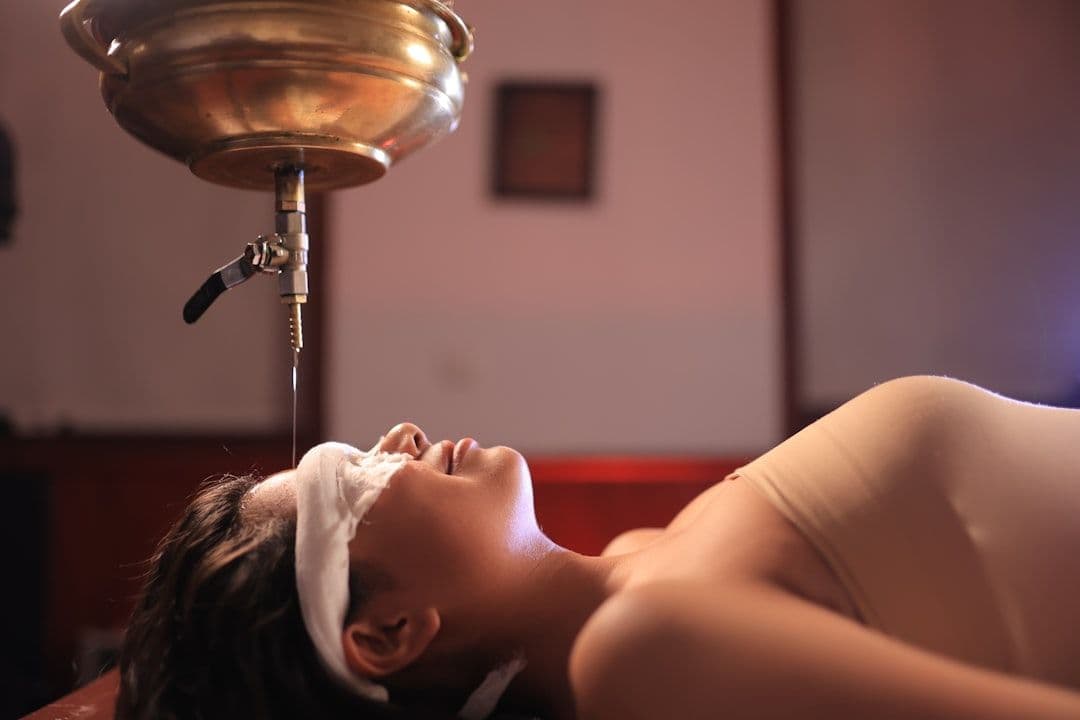
Current Research Landscape
Head massage research spans approximately two decades, with the majority of high-quality studies published since 2010. The evidence base includes roughly 15 randomised controlled trials, several systematic reviews, and numerous observational studies examining various applications from tension headache management to workplace stress reduction.
Most research focuses on what practitioners term 'therapeutic head massage'—structured protocols targeting the scalp, temples, and upper cervical region rather than the relaxation-focused approaches common in spas. Studies typically examine session durations of 15-30 minutes, with treatment frequencies ranging from single sessions to programmes lasting 8-12 weeks.
The strongest evidence emerges from studies comparing head massage to control conditions (such as rest periods) or to other interventions like conventional physiotherapy for neck tension. Researchers have primarily measured outcomes including headache frequency and intensity, stress hormone levels, blood pressure changes, and validated questionnaires for anxiety and quality of life.
Key Research Findings
Tension headache studies provide the most robust evidence. A 2019 systematic review identified five RCTs with a combined sample of 312 participants, showing consistent reductions in headache frequency and intensity when head massage was provided 2-3 times weekly over 4-8 week periods. Effect sizes were moderate to large, with participants reporting 40-60% reductions in headache days.
Stress-related outcomes show equally promising results. Multiple trials have demonstrated significant reductions in salivary cortisol levels following head massage sessions, with effects persisting for 24-48 hours post-treatment. A workplace study involving 89 office workers found that weekly 20-minute head massage sessions over six weeks produced sustained improvements in perceived stress and sleep quality compared to a waiting-list control group.
Physiological measures also respond consistently. Blood pressure reductions of 5-10 mmHg systolic and 3-7 mmHg diastolic have been documented in several studies, though these changes appear most pronounced in participants with elevated baseline readings. Heart rate variability—a marker of autonomic nervous system balance—shows improvement in roughly 70% of study participants, suggesting activation of parasympathetic responses.
Research Limitations and Gaps
Sample sizes remain problematic across most studies, with individual trials rarely exceeding 50-60 participants per group. This limits confidence in effect estimates and makes it difficult to identify which populations benefit most. Blinding poses obvious challenges—participants know whether they're receiving massage—though some researchers have used attention control conditions with limited success.
Protocol variation represents another significant limitation. Studies employ different pressure intensities, session durations, and anatomical focus areas, making it difficult to determine optimal treatment parameters. Some research includes neck and shoulder work alongside scalp massage, whilst others restrict intervention to the cranial region, complicating interpretation of results.
Long-term follow-up data is notably sparse. Most studies track participants for 2-4 weeks post-treatment, providing little insight into sustained benefits. The few studies examining maintenance protocols suggest benefits diminish within 4-6 weeks of stopping regular sessions, but robust data on optimal long-term scheduling remains lacking.
Publication bias may also influence the available evidence, as studies showing positive results are more likely to reach publication than those finding no effect.
Evidence-Supported Applications vs Uncertain Territory
Current evidence most strongly supports head massage for tension-type headaches and acute stress reduction. The consistency of findings across multiple small trials, combined with plausible physiological mechanisms, provides reasonable confidence for these applications when used as part of broader management strategies.
Stress reduction benefits appear well-established for short-term applications. The combination of cortisol reduction, blood pressure changes, and subjective improvements creates a coherent picture of physiological relaxation responses that persist beyond the treatment session.
However, claims about improved cognitive function, hair growth promotion, or sleep quality remain in uncertain territory. Whilst some studies hint at these benefits, the evidence base is insufficient to draw firm conclusions. Similarly, the optimal frequency and duration of treatment for different conditions requires further investigation.
Migraine treatment represents a particularly complex area. Whilst some studies include migraine sufferers, the evidence for benefit is mixed, and several trials specifically exclude participants with migraine diagnoses due to concerns about potential symptom exacerbation during acute episodes.
Future Research Priorities
Larger-scale trials with standardised protocols represent the most pressing research need. Studies involving 150-200 participants per group would provide more reliable effect estimates and enable subgroup analyses to identify which populations benefit most.
Dose-response relationships require systematic investigation. Questions about optimal session frequency, treatment duration, and pressure intensity remain largely unexplored. Comparative studies examining different techniques—from gentle scalp stimulation to deeper pressure-point work—would help refine clinical protocols.
Long-term outcome studies are essential for understanding the sustainability of benefits. Research tracking participants for 6-12 months post-treatment, with varying maintenance schedules, would inform realistic expectations and cost-effectiveness considerations.
Mechanism-focused research using neuroimaging or advanced physiological monitoring could strengthen the theoretical foundation for head massage benefits. Understanding whether effects primarily result from local circulation changes, neural pathway stimulation, or broader stress-response modifications would guide technique refinement and help predict individual responsiveness.