Before You Arrive
Eat a light meal 1-2 hours before your appointment rather than arriving hungry or overly full. Both extremes can make you feel uncomfortable during treatment when lying still for extended periods.
Wear comfortable clothing with a loose neckline that allows easy access to your neck and shoulders. Avoid high collars, chunky jewellery, or elaborate hairstyles. You'll remain fully clothed throughout the session, so choose something that won't restrict your breathing when resting.
Arrive with clean, product-free hair when possible. Excessive styling products can interfere with the therapist's ability to work effectively on your scalp. If you wear contact lenses, consider bringing your glasses case—some people prefer to remove lenses during treatment to enhance relaxation.
The Session Unfolds
Your therapist begins with a brief consultation about your health history, current stress levels, and specific areas of tension. This conversation helps them tailor the pressure and focus areas to your needs.
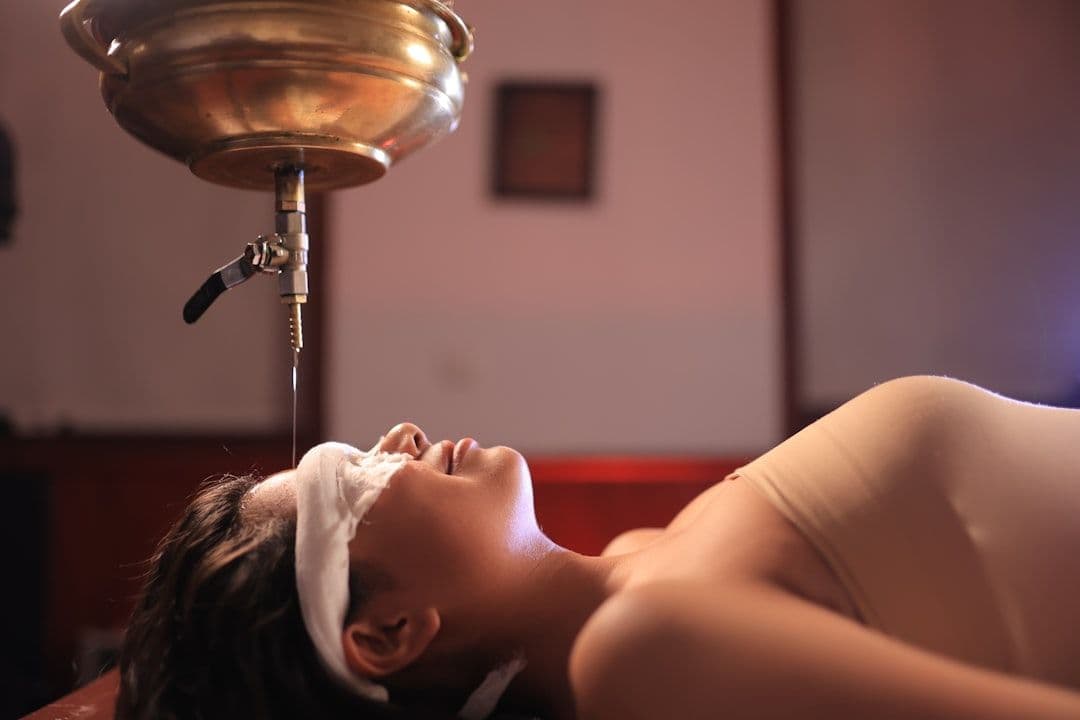
You'll settle into a comfortable chair—either a standard massage chair or a reclining treatment chair that supports your head and neck. Some practitioners prefer to work with you lying on a massage table with your head in a face cradle. The room is typically dimly lit with soft background music.
The massage starts gently at the base of your skull, with the therapist using their fingertips to assess muscle tension in your neck and shoulders. You'll feel sustained pressure applied in small circular motions, gradually working upward toward the crown of your head. The touch is firm but never painful—communicate immediately if pressure feels uncomfortable.
Mid-session attention shifts to your temples and forehead, where lighter, more rhythmic strokes help release tension around your eyes and jaw. Many people find this phase particularly soothing. The therapist may incorporate gentle stretching of your neck muscles, supporting your head whilst moving it through comfortable ranges of motion.
The final portion focuses on your scalp itself, with techniques that feel similar to a vigorous hair wash but more systematic. Your entire scalp receives attention, from hairline to crown, using varying pressure and stroke patterns.
During and After: What You Might Experience
Most people feel their shoulders dropping and breathing deepening within the first few minutes. You may notice warmth spreading through your head and neck as circulation improves. Some experience tingling sensations or feel as though tension is literally melting away.
Emotional responses vary considerably. Many people feel profoundly relaxed, whilst others become aware of how much tension they'd been carrying. Occasionally, people feel emotional or tearful—this is completely normal and often indicates deep stress release.
Immediately following treatment, expect to feel somewhat drowsy or 'floaty'. Your scalp may feel more sensitive than usual, and you might notice your head feels lighter or clearer. Some people experience mild dizziness when first standing, so take your time getting up.
Over the following 24-48 hours, many people report improved sleep quality and reduced background tension in their neck and shoulders. Headache sufferers often notice decreased frequency or intensity of symptoms. These benefits typically develop gradually rather than providing instant dramatic change.
Aftercare Essentials
Drink plenty of water in the hours following your session. The massage stimulates circulation and lymphatic drainage, and adequate hydration supports these processes whilst preventing any treatment-related headaches.
Avoid alcohol for the remainder of the day, as your nervous system needs time to integrate the relaxation response. Similarly, try to maintain a calm environment rather than rushing into stressful activities immediately afterward.
Your scalp may feel slightly tender the day after treatment, particularly if you carried significant tension. This sensitivity is temporary and indicates that previously tight tissues are adjusting. Gentle brushing and avoiding tight hairstyles for 24 hours helps your scalp settle.
Plan something restful for the evening of your treatment. Many people find they sleep more deeply after head massage, so take advantage of this natural relaxation response.
Building Your Treatment Plan
For general stress relief, monthly sessions often provide sufficient maintenance once you've experienced the technique. However, if you're addressing specific issues like chronic tension headaches or workplace stress, weekly sessions for 4-6 weeks typically yield more substantial improvements.
Most people notice some immediate relaxation benefits, but cumulative effects build over several sessions. Tension patterns that have developed over months or years require consistent intervention to create lasting change.
Your therapist will adjust their approach based on how you respond to initial treatments. Some people prefer deeper pressure as their tissues adapt, whilst others find their optimal benefit with consistently gentle techniques. Communication about your experience helps optimise subsequent sessions.
Consider scheduling sessions during periods when you can maximise the relaxation benefits. Many regular clients book treatments on Friday afternoons or before weekends when they can fully embrace the calm state that head massage promotes.