Beyond the Kitchen Herb Garden
The herbalist's consultation room smells of dried chamomile and lavender, shelves lined with amber jars containing everything from familiar mint leaves to exotic adaptogenic roots. But this isn't your grandmother's home remedy cupboard—modern herbal formulations represent a sophisticated blend of traditional plant knowledge and contemporary extraction science.
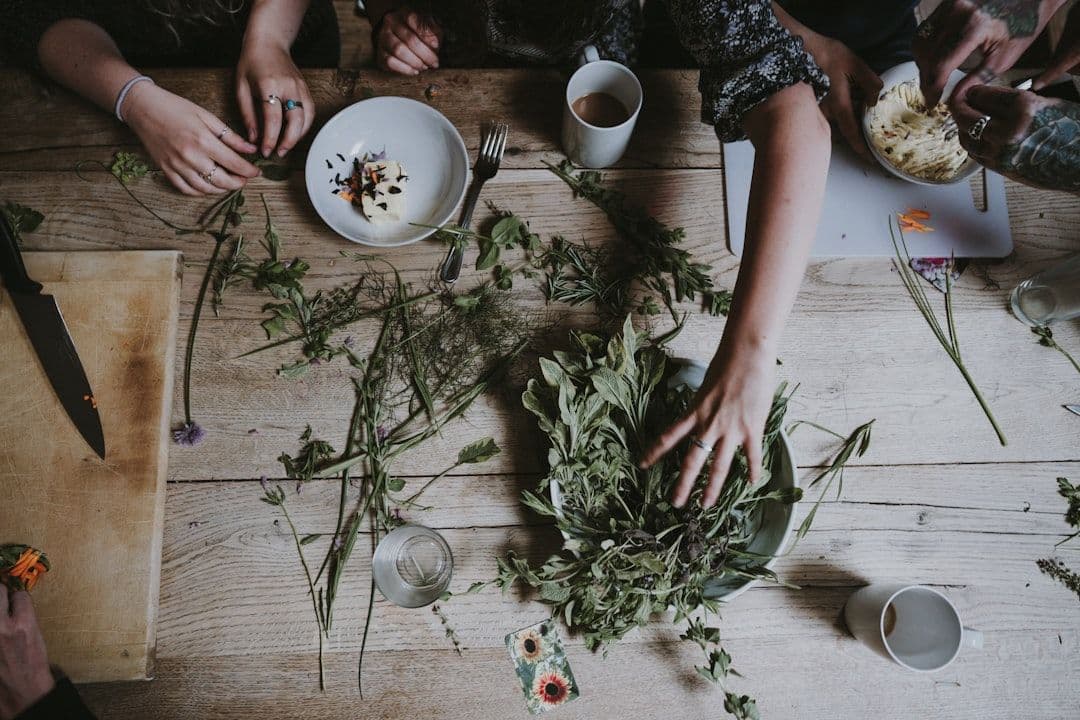
A herbal formulation might be as simple as a carefully timed nettle infusion or as complex as a multi-herb tincture combining five different plants, each selected for specific therapeutic compounds and prepared through methods that maximise their bioavailability. The art lies in understanding not just what each plant offers, but how they work together—and how different people respond to the same botanical combination.
Ancient Wisdom Meets Modern Methods
Herbal medicine traditions span every culture—from Traditional Chinese Medicine's complex prescriptions to European monastery gardens where monks cultivated healing plants. What's changed isn't the fundamental idea that plants contain therapeutic compounds, but our understanding of which compounds matter and how to extract them reliably.
Contemporary herbal formulations draw on this global knowledge base whilst applying modern quality control. Where traditional herbalists relied on organoleptic assessment—taste, smell, colour—today's practitioners can specify standardised extracts with known concentrations of active constituents. This evolution means greater consistency and predictability, though it requires practitioners to understand both traditional uses and modern pharmacology.
The regulatory landscape has also evolved. In the UK, the Traditional Herbal Medicines Registration scheme provides quality assurance for certain products, whilst practitioners increasingly seek training that bridges historical knowledge with evidence-based practice.
How Plant Chemistry Becomes Medicine
Plants synthesise thousands of compounds—alkaloids, polyphenols, essential oils, saponins—many of which interact with human physiology in measurable ways. Willow bark contains salicin, which the body converts to salicylic acid, providing anti-inflammatory effects similar to aspirin. Turmeric's curcumin modulates inflammatory pathways, whilst valerian's valerenic acid appears to enhance GABA neurotransmitter activity.
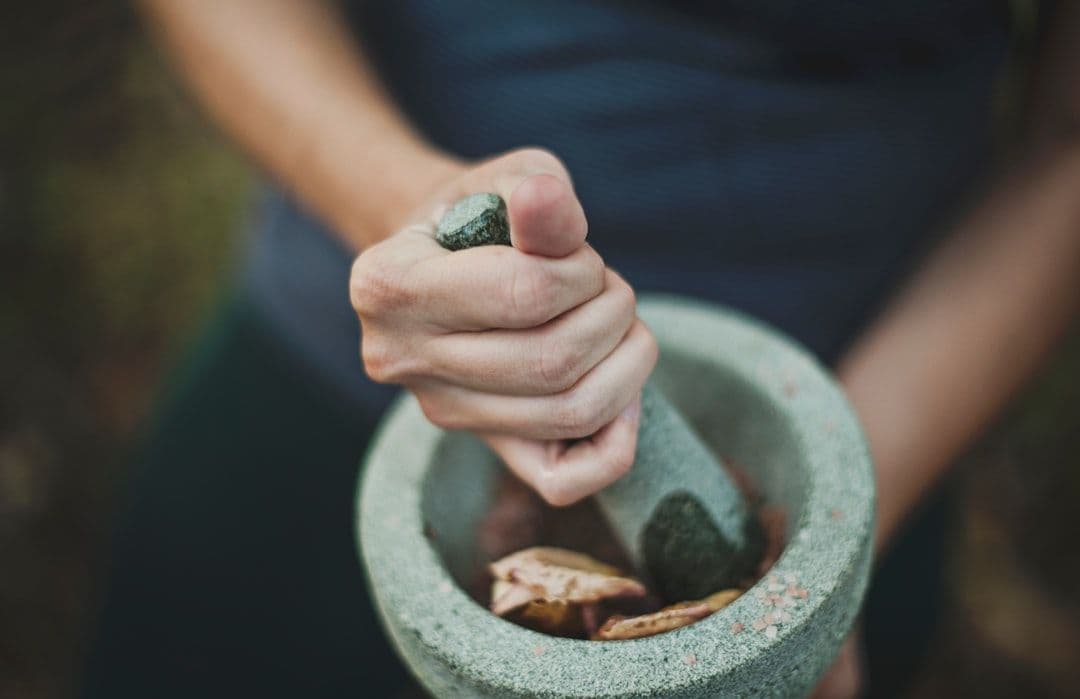
The preparation method determines which compounds you actually receive. A gentle chamomile tea extracts different constituents than a concentrated alcohol tincture, which captures different compounds again than a standardised apigenin extract. Decoctions—long, slow boiling—draw out water-soluble compounds from tough roots and barks, whilst cold preparations preserve heat-sensitive constituents.
This is where practitioner expertise becomes crucial. Understanding not just which herbs to combine, but how to prepare them for optimal therapeutic effect whilst maintaining safety margins. Some compounds enhance each other's absorption; others may compete or interact in ways that reduce efficacy.
Who Finds Value in Botanical Medicine
Herbal formulations often appeal to people seeking natural support for common complaints—digestive discomfort, sleep difficulties, low energy, or seasonal health challenges. Unlike isolated pharmaceuticals, plant medicines typically contain multiple active compounds that may work synergistically, potentially offering gentler effects with fewer side effects for mild to moderate symptoms.
Many people turn to herbal formulations as part of preventative health strategies, using adaptogens like ashwagandha or rhodiola to support stress resilience, or antioxidant-rich herbs to support cellular health. Others find them valuable during life transitions—pregnancy preparation, menopause support, or recovery from illness—when the body's needs change.
Those managing chronic conditions often use herbal formulations as complementary support alongside conventional treatment. The key lies in realistic expectations and proper integration with medical care.
What to Expect in Practice
A consultation with a qualified herbalist typically begins with detailed health history-taking that goes beyond current symptoms to include digestive patterns, sleep quality, stress levels, and overall vitality. The practitioner might examine your tongue, feel your pulse, or assess your constitutional type—approaches that vary depending on their training tradition.
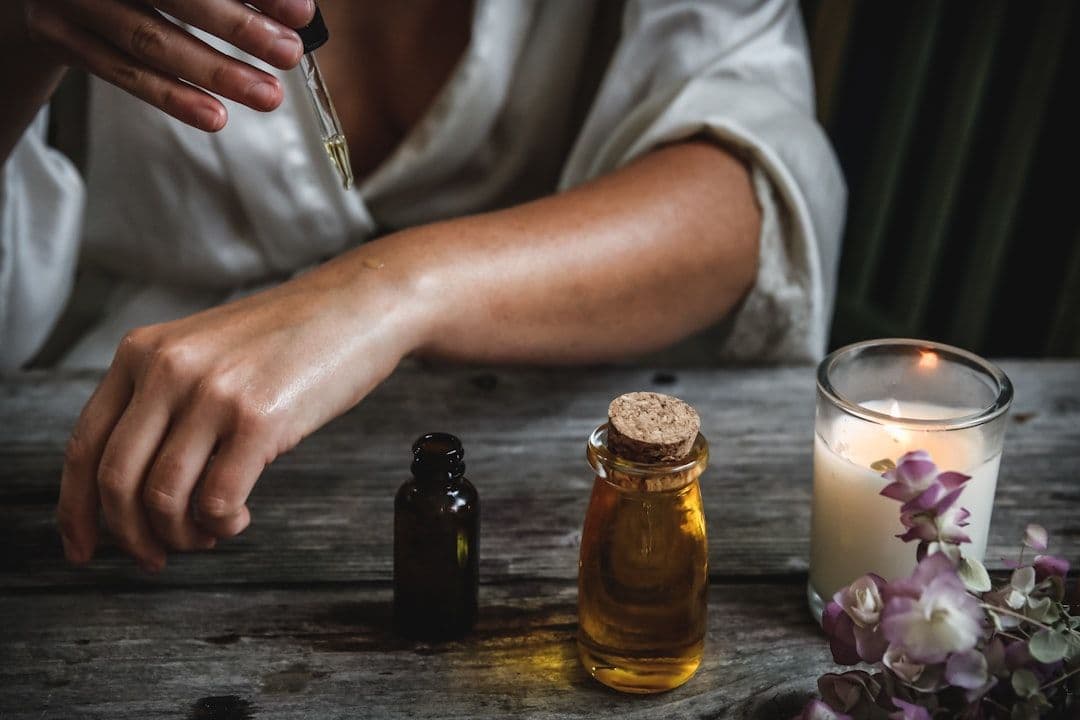
Formulation creation involves selecting primary herbs for specific therapeutic goals, supporting herbs to enhance absorption or reduce potential side effects, and choosing preparation methods that optimise the blend's effectiveness. You might receive a custom tincture to take in small doses throughout the day, a tea blend for daily brewing, or standardised capsules for convenience.
Results typically develop gradually over weeks to months, requiring patience and consistent use. Many people notice initial changes in energy levels or sleep quality within days, whilst deeper therapeutic effects often require sustained use. The herbalist will typically schedule follow-up appointments to adjust formulations based on your response.
The Evidence Landscape
Research on herbal formulations presents a mixed picture. Individual herbs like echinacea, St John's wort, and ginkgo have been extensively studied, with systematic reviews supporting their use for specific indications. Others, particularly complex traditional formulations, have limited high-quality clinical trial data but substantial laboratory research on their constituent compounds.
The challenge lies in studying whole plants and plant combinations using pharmaceutical research models. A single herb contains hundreds of compounds, and traditional formulations often combine multiple herbs—creating complexity that doesn't fit neatly into randomised controlled trial frameworks designed for isolated compounds.
However, mechanistic research increasingly explains how plant compounds interact with human physiology. Studies on curcumin's anti-inflammatory pathways, berberine's metabolic effects, or adaptogens' stress-response modulation provide scientific rationale for traditional uses, even where large-scale human trials remain limited.
Practical Considerations
Quality varies dramatically in the herbal products market. Look for practitioners who source from reputable suppliers with third-party testing for contaminants, adulterants, and active compound levels. Organic certification, whilst not guaranteeing therapeutic potency, indicates attention to quality control.
Costs range from £15-40 for simple preparations to £60-120 for complex custom formulations, with initial consultations typically costing £50-100. Most people work with formulations for 2-3 months initially, with monthly check-ins to adjust as needed.
Seek practitioners with recognised training—look for NIMH (National Institute of Medical Herbalists) membership or equivalent qualifications that include both traditional knowledge and modern safety protocols. Many qualified herbalists also hold degrees in related fields like nutrition, naturopathy, or pharmacology, providing additional clinical insight into herb-drug interactions and contraindications.