Preparing for Your Consultation
Before your appointment, compile a comprehensive list of current medications, supplements, and any health conditions you're managing. Include recent blood test results if available—many herbalists find these helpful for understanding your current health picture.
Bring a detailed symptom diary if you've been keeping one, noting patterns around energy, sleep, digestion, or any concerns you'd like to address. Wear comfortable clothes, as some practitioners may check your pulse or examine your tongue as part of traditional assessment methods.
Avoid alcohol 24 hours beforehand and caffeine on the morning of your appointment, as these can affect traditional diagnostic indicators like pulse quality. Eat normally—don't arrive hungry or overly full, as this can also influence assessment findings.
The Consultation Process
Your first session typically lasts 60-90 minutes. The practitioner begins by taking an extensive health history, exploring not just your main concerns but your overall health patterns, family history, lifestyle, stress levels, and previous treatments you've tried.
Many herbalists trained in traditional systems will examine your tongue's colour and coating, and take your pulse at different positions on your wrist. These techniques, whilst not part of conventional medicine, inform how traditional herbalists understand your constitution and current imbalances.
The practitioner then explains their assessment and discusses which herbs might be appropriate for your situation. They'll describe the proposed formulation—whether as a tea blend, tincture, capsules, or other preparation—and explain the reasoning behind each herb's inclusion.
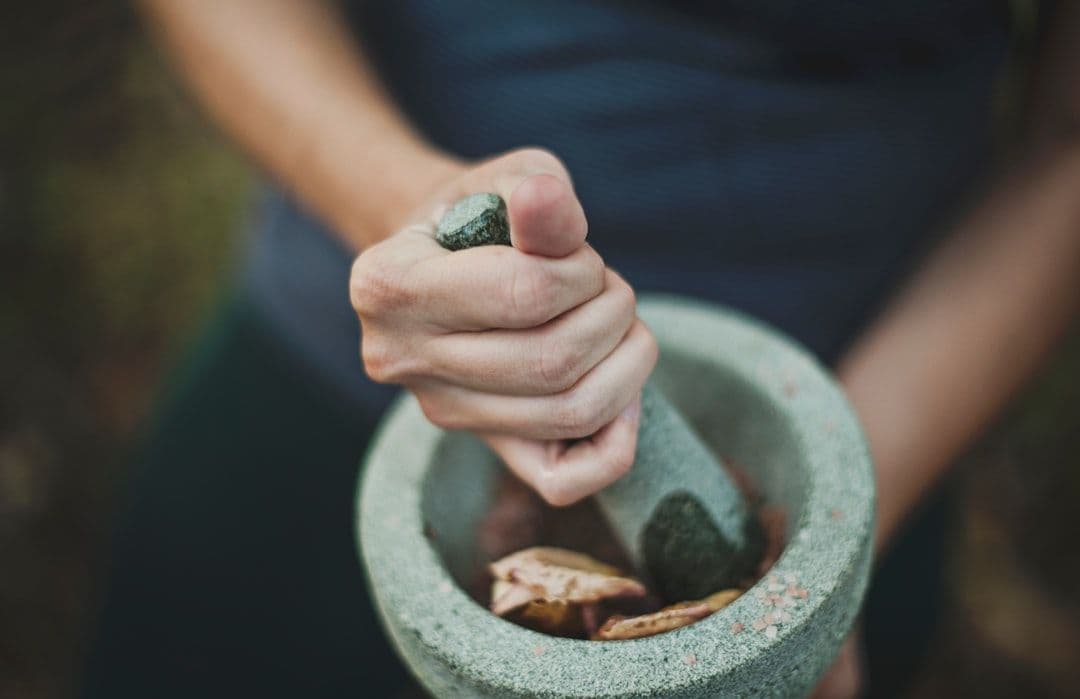
Most practitioners prepare your remedy on-site or within a few days, measuring and combining herbs according to your specific formula. You'll receive detailed instructions about dosage, timing, and what to expect.
What You Might Experience
During the consultation, many people feel relieved to have their health concerns explored so thoroughly. The detailed questioning helps herbalists understand patterns you might not have connected yourself.
When you begin taking herbal formulations, initial responses vary considerably. Some people notice subtle changes within days—perhaps improved sleep or digestion—whilst others need several weeks of consistent use before experiencing benefits. Unlike pharmaceutical drugs, herbal medicines typically work gradually.
You might initially taste the earthiness of herbs if taking teas or tinctures. Some find this grounding; others need time to adjust. Mild digestive changes are common in the first week as your system adapts to new compounds.
Occasionally, people experience what practitioners call 'healing responses'—temporary worsening of symptoms or mild detox-like effects such as headaches or skin changes. These typically resolve within a few days, but always contact your practitioner if concerned.
Aftercare and Lifestyle Guidance
Take your herbal remedy consistently as prescribed—irregular dosing significantly reduces effectiveness. Most formulations work best when taken at the same times daily, often between meals to optimise absorption.
Keep a simple symptoms diary, noting changes in energy, sleep quality, or whatever concerns brought you to treatment. This helps both you and your practitioner track progress objectively.
Avoid alcohol whilst taking liver-supporting herbs, and maintain steady routines around sleep and meals—herbs work best when supporting healthy lifestyle patterns, not compensating for poor ones.
Contact your practitioner immediately if you experience any unexpected reactions, persistent nausea, or if your symptoms worsen significantly. Most herbalists offer telephone support between appointments for such concerns.
Treatment Timeline and Follow-Up
Most practitioners schedule your first follow-up appointment 2-4 weeks after starting treatment. This allows time to assess how you're responding to the initial formulation whilst being soon enough to make adjustments if needed.
For chronic conditions, expect to work with herbal formulations for at least 3-6 months, with formulas evolving as your health changes. Acute conditions may respond within 2-4 weeks, though this varies significantly based on the issue and individual response.
Typical treatment involves 4-6 appointments over several months. Your herbalist monitors progress, adjusts dosages, and modifies herb combinations based on your response. Some practitioners recommend seasonal adjustments to formulations, aligning with traditional concepts of supporting the body through different times of year.
Once your main concerns improve, many people transition to maintenance formulas taken less frequently, or seasonal support during times of higher stress or vulnerability.