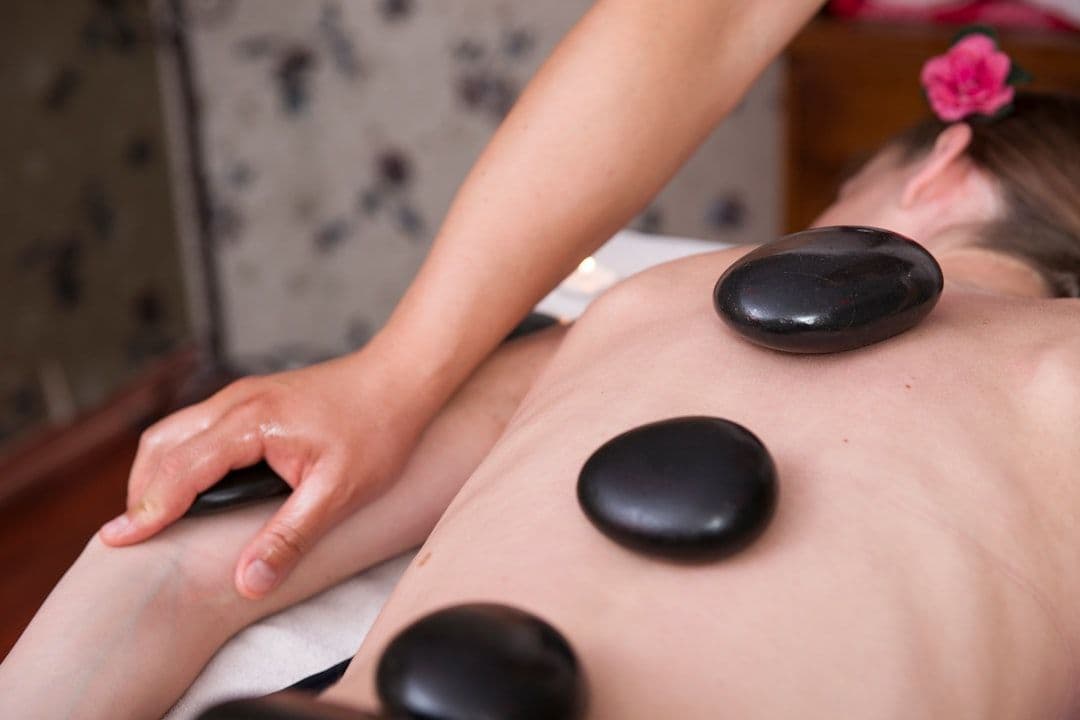
Current Evidence Landscape
The research foundation for hot stone massage consists primarily of small exploratory studies rather than definitive clinical trials. A systematic search of medical databases reveals fewer than a dozen peer-reviewed studies specifically examining heated stone massage, with most published in the past 15 years.
The existing research includes several pilot studies with sample sizes ranging from 20 to 60 participants, typically comparing hot stone massage to standard massage or no treatment controls. Most studies focus on immediate effects measured through pain scales, stress questionnaires, and basic physiological markers like blood pressure or cortisol levels.
Notably absent are large randomised controlled trials, long-term follow-up studies, or research comparing different stone temperatures and placement protocols. This leaves practitioners relying heavily on clinical experience and theoretical frameworks drawn from thermotherapy research rather than modality-specific evidence.
Key Research Findings
The strongest available evidence comes from a 2018 pilot study of 54 participants with chronic low back pain, which found greater pain reduction in the hot stone group compared to standard Swedish massage over a four-week period. However, the study lacked proper blinding and used subjective pain measures as the primary outcome.
Several smaller studies have documented short-term physiological responses, including decreased muscle tension measured via electromyography and modest reductions in stress hormones. A 2016 observational study of 32 participants found significant decreases in cortisol levels immediately following hot stone sessions, though these returned to baseline within 24 hours.
Patient-reported outcomes consistently show high satisfaction rates, with surveys indicating that 85-90% of recipients report feeling more relaxed and experiencing reduced muscle tension after treatment. However, these findings come from uncontrolled studies where participant expectations likely influence responses.
Evidence Limitations and Gaps
The most significant limitation is the absence of adequately powered randomised controlled trials. Existing studies typically include fewer than 50 participants, insufficient to detect modest treatment effects or account for individual variation in response.
Blinding presents a particular challenge for hot stone research. Participants inevitably know whether they're receiving heated stones, making it difficult to separate specific thermal effects from general massage benefits and placebo responses. Most studies fail to include appropriate sham controls or active comparison groups.
Protocol variation across studies makes it nearly impossible to draw definitive conclusions. Stone temperatures, placement patterns, duration of application, and integration with massage techniques vary considerably between research centres, preventing meaningful meta-analysis of existing data.
The research also skews heavily toward immediate outcomes, with no studies examining whether benefits persist beyond the treatment session or accumulate over multiple appointments.
What the Evidence Supports
Current research provides preliminary support for short-term stress reduction and muscle relaxation following hot stone massage, though these benefits appear similar to those achieved through standard massage therapy alone. The evidence suggests that heated stones may enhance the subjective experience of treatment rather than providing clinically distinct therapeutic effects.
The physiological rationale for hot stone massage—that sustained heat increases tissue temperature, promotes blood flow, and reduces muscle tension—aligns with established thermotherapy research. However, specific evidence demonstrating superior outcomes compared to other heat applications or massage techniques remains lacking.
What emerges clearly from practitioner reports and patient surveys is high acceptability and satisfaction. In clinical practice, therapists consistently observe that clients who enjoy the sensation of warmth often prefer hot stone sessions and may be more likely to continue regular massage therapy.
Future Research Priorities
The field would benefit significantly from larger randomised trials with adequate statistical power to detect clinically meaningful differences. Studies should include active controls comparing hot stone massage to standard massage, other heat therapies, and perhaps heated stone placement without massage.
Researchers need to establish standardised protocols for stone temperature, placement duration, and integration with massage techniques. This standardisation would enable meaningful comparison across studies and eventual meta-analysis of findings.
Longer-term outcomes represent a crucial knowledge gap. Studies examining whether benefits persist beyond immediate treatment and whether regular sessions provide cumulative advantages would inform clinical recommendations.
Finally, research into optimal candidate selection could help identify which individuals are most likely to benefit from hot stone massage specifically, rather than alternative approaches to muscle tension and stress management.