The Marriage of Stone and Skin
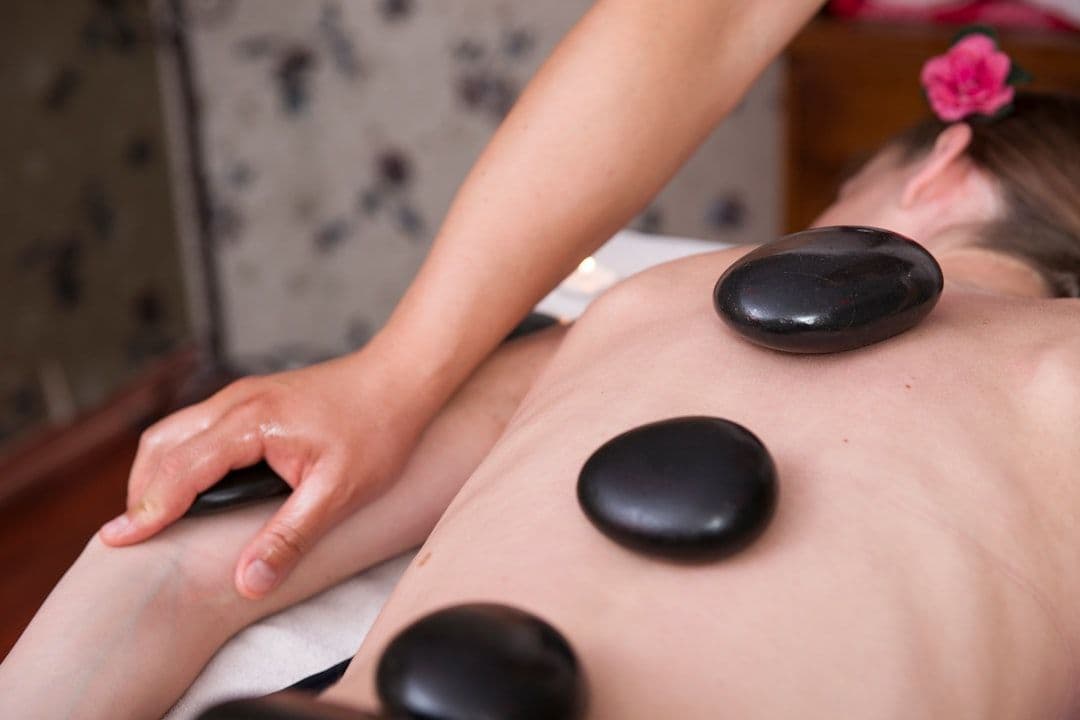
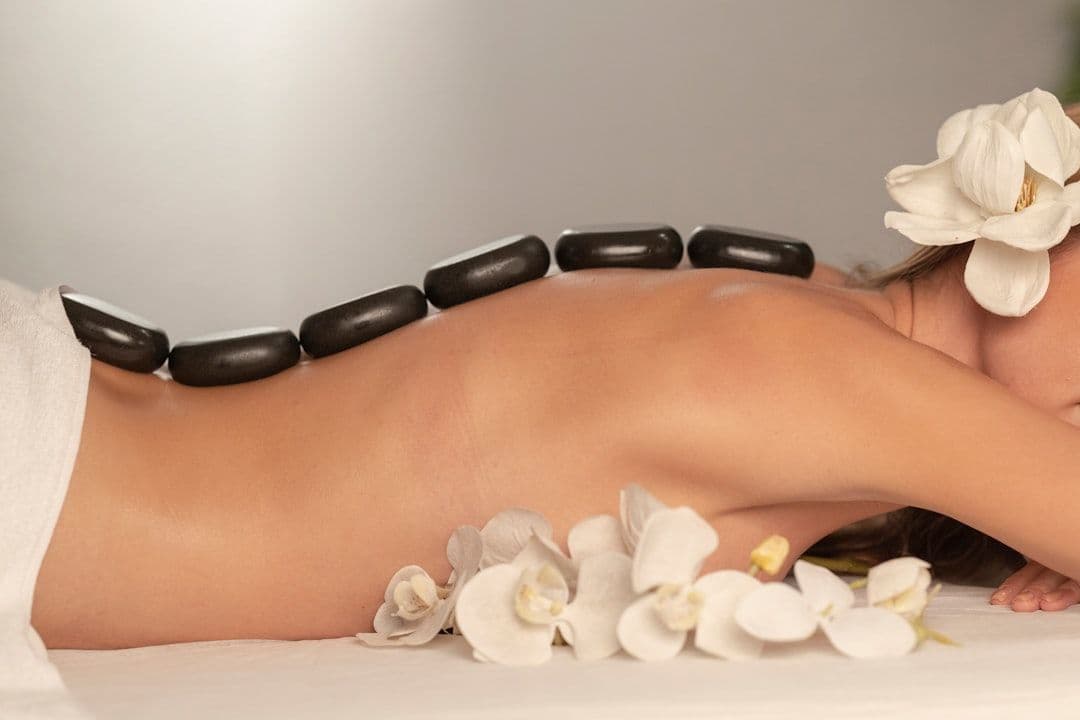
Smooth basalt stones, heated to the temperature of a very warm bath, rest along your spine whilst skilled hands work heated stones across tight shoulders. This is hot stone massage at its essence—a practice that transforms ordinary river rocks into therapeutic tools.
The stones themselves tell part of the story. Basalt, formed from ancient volcanic activity, retains heat longer than any other stone type. Its dense, fine-grained structure provides the perfect surface for gliding across skin whilst maintaining steady warmth. During treatment, stones are heated in water to between 48–60°C—warm enough to penetrate muscle tissue, controlled enough to remain safe.
What emerges is a form of massage where heat does half the work. Where a therapist's hands might struggle to reach deep tension, sustained warmth can soften stubborn knots before pressure is ever applied.
Ancient Heat, Modern Practice
Stone healing appears across cultures—from Native American sweat lodges to Hawaiian pohaku massage traditions. Ancient Chinese medicine incorporated heated stones for pain relief, whilst various indigenous cultures worldwide recognised stones' capacity to store and transfer thermal energy.
Contemporary hot stone massage emerged in the 1990s when American therapist Mary Nelson developed a structured approach combining traditional stone use with Swedish massage techniques. Her system, taught widely through spa training programmes, established the protocols most practitioners follow today.
The modern practice has evolved beyond its spa origins. Physiotherapy clinics incorporate heated stones for muscle preparation. Sports massage therapists use them for recovery work. What began as a luxury treatment now appears in clinical settings where practitioners recognise heat's therapeutic potential.
How Warmth Works
The therapeutic mechanism operates on multiple levels. Heat dilates blood vessels, increasing circulation to treated areas and potentially accelerating the removal of metabolic waste products from muscles. This enhanced blood flow may explain why many people report feeling less stiff after treatment.
The sustained warmth appears to trigger the parasympathetic nervous system—the body's rest-and-digest response. Unlike the variable pressure of hands, stones provide consistent thermal input that may help shift the nervous system away from stress states. Many clients report feeling deeply relaxed even before active massage begins.
From a tissue perspective, heat softens collagen fibres and may reduce muscle spindle activity—the reflexes that maintain muscle tension. This means therapists can often work more effectively with less pressure, making the treatment suitable for people who find traditional massage uncomfortable.
Who Finds Relief in the Stones
Hot stone massage particularly appeals to those with chronic muscle tension from sedentary work. The sustained heat seems especially effective for neck and shoulder tightness that develops from prolonged computer use, where muscles remain contracted for hours.
People who typically find massage too intense often prefer the gentler approach. The heat preparation means therapists can achieve deeper muscle release without applying significant pressure. This makes it suitable for those with fibromyalgia or chronic pain conditions where pressure sensitivity is common.
Those with circulation concerns—whether from age, medical conditions, or sedentary lifestyle—may benefit from the vasodilating effects. However, anyone with conditions affecting temperature sensation, such as diabetes or neuropathy, needs careful assessment before treatment.
What to Expect on the Table
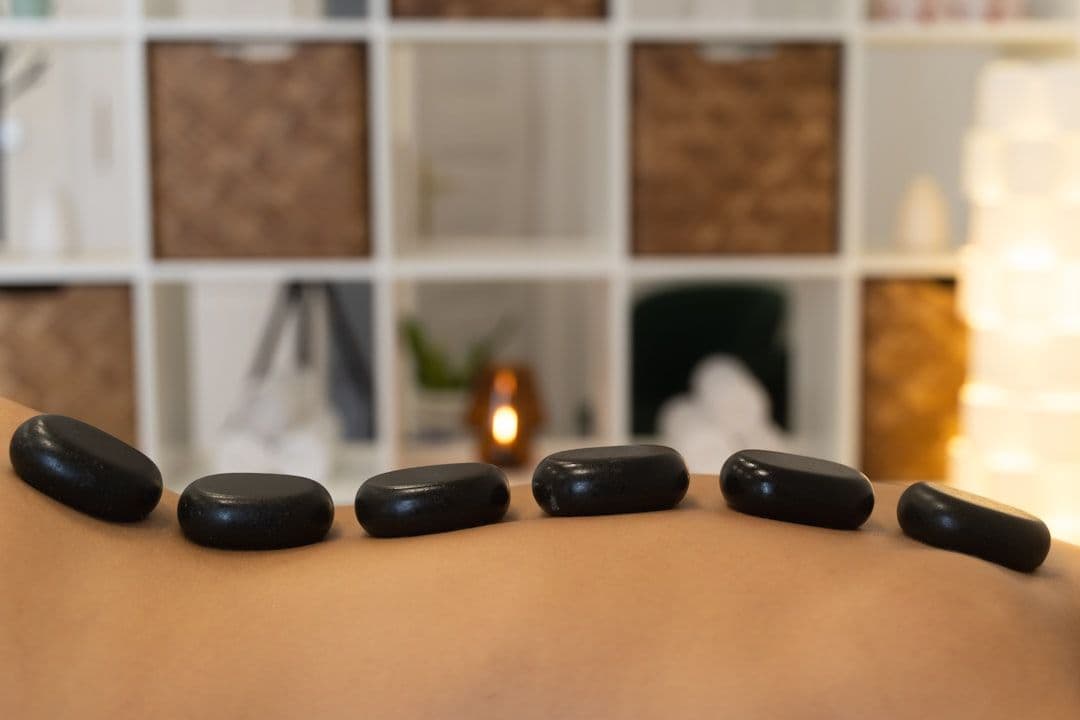
Sessions typically begin with stones placed along the spine whilst you lie face down. The initial placement allows heat to penetrate whilst your therapist begins working other areas with their hands. You'll likely feel the warmth intensify over the first few minutes as your tissue temperature gradually rises.
Active massage follows, with your therapist using heated stones as tools. They might glide stones along muscle groups using oil, or alternate between stone massage and traditional hand techniques. The stones are reheated throughout the session to maintain therapeutic temperature.
Most sessions last 60–90 minutes. Expect to feel deeply relaxed during and immediately after treatment—many people report feeling slightly drowsy. The warming effect often continues for hours afterward, which is why evening appointments are popular.
The Evidence Picture
Clinical research specific to hot stone massage remains limited. Most scientific investigation focuses on massage therapy generally or heat therapy separately, rather than their combination. The few small studies that exist suggest benefits for pain and anxiety, but sample sizes are too small for definitive conclusions.
What exists instead is substantial practitioner experience and client feedback. Massage therapists consistently report that clients find hot stone treatments more relaxing than traditional massage, often with longer-lasting effects. Many clients return specifically for the stone work, suggesting meaningful benefit beyond placebo response.
The lack of robust clinical trials doesn't invalidate the practice—it reflects research priorities rather than therapeutic merit. Given massage therapy's established evidence base and heat therapy's recognised physiological effects, the combination's popularity likely reflects genuine therapeutic value that hasn't yet been formally studied.
Finding the Right Practitioner
Look for therapists registered with professional bodies such as the Complementary & Natural Healthcare Council (CNHC) or Federation of Holistic Therapists (FHT). Hot stone massage requires additional training beyond basic massage certification, so ask about specific stone therapy qualifications.
Expect to pay £60–120 for a 60-minute session, with prices varying by location and therapist experience. Many practitioners offer longer sessions (75–90 minutes) which better accommodate the stone preparation and placement time.
Book treatments when you can rest afterward—the relaxation response often continues for several hours. Most people benefit from monthly sessions for general wellbeing, though those addressing specific muscle tension might start with fortnightly appointments. Always discuss any health conditions, medications, or temperature sensitivity during your initial consultation.