What Sets Japanese Massage Apart
Picture a practitioner's hands moving across your body with the steady rhythm of ocean waves, applying deliberate pressure that seems to reach deeper than muscle alone. This is Japanese massage at work — not the oil-slicked kneading you might expect from Swedish techniques, but something altogether more structured and purposeful.
Japanese massage encompasses several distinct approaches, with Shiatsu (literally "finger pressure") and Anma (traditional therapeutic massage) being the most widely practised. Rather than working primarily with muscle tissue, practitioners focus on meridian pathways — energy channels that traditional Japanese medicine views as highways for life force, or ki. The pressure applied isn't random; each point serves a specific purpose within this energetic map of the body.
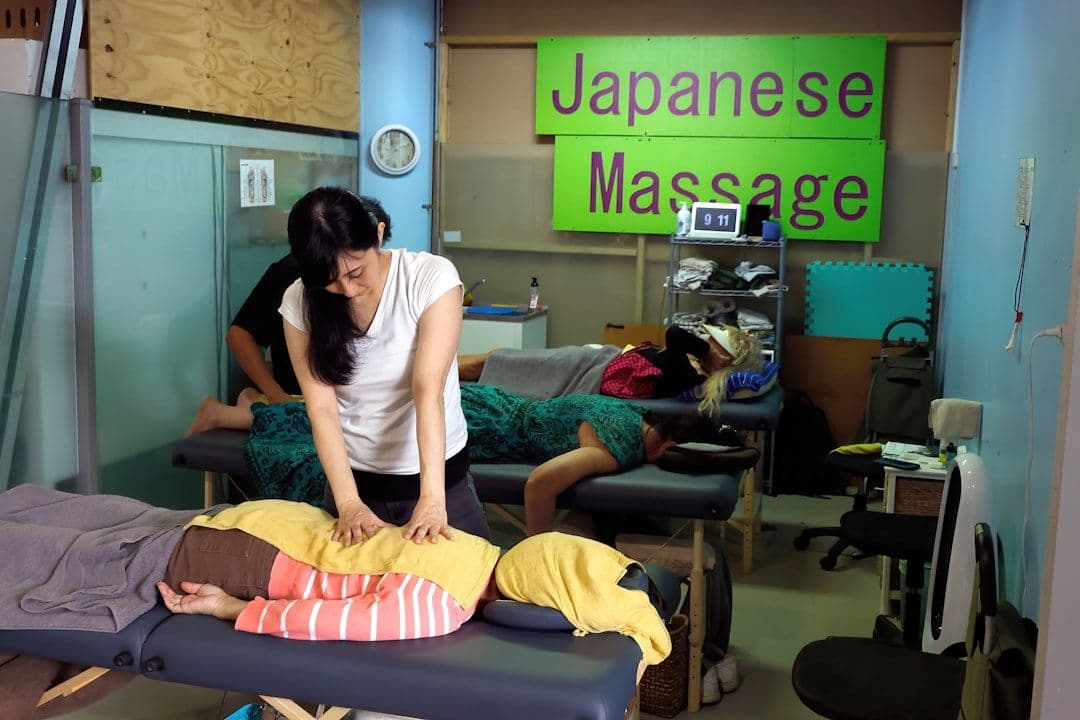
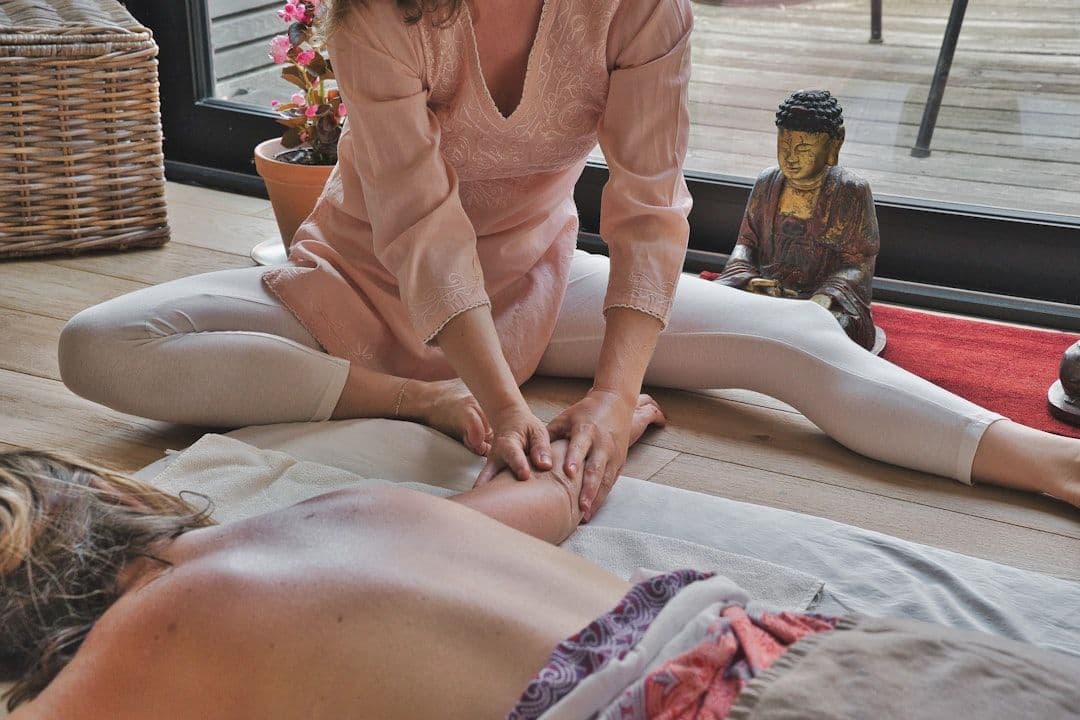
What strikes most people first is the clothed nature of these treatments. You remain fully dressed in comfortable clothing whilst the practitioner works, using palms, thumbs, fingers, and sometimes elbows to apply pressure. The movements flow from one point to the next with deliberate pacing, creating a meditative quality that many find as mentally restorative as it is physically relieving.
Roots in Japanese Healing Tradition
Japanese massage techniques arrived in Japan over a millennium ago, travelling alongside Buddhist monks and traditional Chinese medicine principles from the mainland. But like many imported practices, they evolved distinctly on Japanese soil, shaped by local healing traditions and cultural values.
Anma developed first, becoming so integral to Japanese culture that blind practitioners were traditionally granted special status and protection — a recognition that continues today through specialised training programmes. The word itself means "press and rub", reflecting the fundamental techniques that form its foundation.
Shiatsu emerged much later, in the early 20th century, as practitioners sought to formalise and systematise traditional Japanese bodywork. Tokujiro Namikoshi, often credited as Shiatsu's modern founder, developed standardised techniques that could be taught consistently, whilst maintaining the philosophical underpinnings of meridian theory. This evolution reflects Japan's broader cultural pattern of preserving ancient wisdom whilst adapting it for contemporary needs.
The Philosophy Behind the Pressure
Within the Japanese massage framework, illness and discomfort arise when ki becomes blocked or imbalanced along the body's meridian pathways. Practitioners view their role as facilitating the natural flow of this energy, using pressure and manipulation to clear obstructions and restore harmony.
Each meridian corresponds to specific organ systems and emotional states. The lung meridian, for instance, runs from the chest down the arm to the thumb, and practitioners might work along this pathway for someone experiencing both respiratory issues and grief — emotions traditionally linked in this system. The pressure applied isn't merely mechanical; it's intended to communicate with the body's energetic intelligence.
From a biomedical perspective, the rhythmic pressure and stretching involved in Japanese massage likely influences the nervous system, potentially triggering relaxation responses and improving circulation. The sustained pressure on specific points may stimulate mechanoreceptors in ways that interrupt pain signals — similar mechanisms proposed for other pressure-based therapies. However, practitioners would argue this scientific explanation captures only part of what's occurring during treatment.
Who Might Find Relief
Japanese massage tends to appeal particularly to people whose tension patterns run deep — those whose shoulders seem permanently elevated from stress, or whose necks have locked into forward positions from years of screen work. The sustained, penetrating pressure can reach areas that lighter touch cannot access, whilst the clothed nature makes it accessible for people who feel uncomfortable with oil-based massage.
Chronic pain conditions, particularly those involving the musculoskeletal system, form another natural fit. People with fibromyalgia sometimes report that the structured, predictable pressure feels more tolerable than the variable touch of other massage styles. Similarly, those dealing with tension headaches or jaw clenching may find that work along specific meridian pathways provides relief that targets the root rather than just the symptoms.
The meditative quality of these treatments also draws people seeking stress management approaches that don't require them to "do" anything beyond receiving. Unlike meditation or breathing exercises, Japanese massage allows complete passivity whilst still engaging with principles of energy flow and mindful awareness.
What to Expect During Treatment
A typical session begins with the practitioner observing your posture and gait, then conducting a brief consultation about your current concerns and overall health. Some practitioners perform traditional diagnostic techniques, such as examining your tongue or feeling different pulse qualities at your wrists, though this varies considerably between individual approaches.
You'll lie on a firm mat or massage table, remaining fully clothed in loose, comfortable garments. The practitioner begins with gentle pressure to assess tissue quality and your body's responses, then gradually works deeper as appropriate. Shiatsu sessions often follow established sequences, moving systematically through meridian pathways, whilst Anma tends to be more intuitive and responsive to individual needs.
The pressure can range from surprisingly gentle to intensely penetrating. Practitioners gauge appropriate depth through your breathing patterns and subtle muscle responses rather than verbal feedback, though communication remains important throughout. Many people find themselves entering a meditative state during treatment, with the rhythmic pressure inducing deep relaxation despite the active nature of the work being performed.
Sessions typically last 60-90 minutes, with practitioners often concluding with gentle stretching or joint mobilisation to integrate the work performed.
Finding Qualified Practitioners
Training standards for Japanese massage vary considerably, from weekend workshops to comprehensive multi-year programmes. In the UK, look for practitioners registered with the Complementary & Natural Healthcare Council (CNHC) or the Federation of Holistic Therapists (FHT), both of which maintain registers of properly trained bodyworkers.
Shiatsu practitioners may hold certification from the Shiatsu Society UK, which requires substantial training hours and ongoing professional development. For Anma, qualifications are less standardised, so inquire about your practitioner's specific training background, including where they studied and how many hours of instruction they completed.
Session costs typically range from £45-80 in most UK locations, with London practitioners often charging at the higher end. Initial treatments may cost slightly more to accommodate extended consultation time. Many practitioners offer sliding scale fees or reduced rates for students and pensioners.
Consider scheduling treatments every 2-4 weeks initially to establish patterns, then adjusting frequency based on your response. Some people find monthly maintenance sessions sufficient, whilst others dealing with acute issues may benefit from weekly treatments initially.