What Light Therapy Involves
Picture sitting with your morning coffee in front of a panel that bathes you in bright, white light—roughly equivalent to spring sunshine filtering through a window. This is light therapy: deliberate exposure to specific intensities and wavelengths of artificial light, designed to influence your body's internal clock and mood regulation systems.
The practice centres on devices called light boxes—medical-grade lamps that emit 10,000 lux or higher, significantly brighter than typical indoor lighting but without harmful UV rays. You position yourself at an appropriate distance, usually 16-24 inches away, allowing the light to enter your visual field whilst you read, work, or simply sit quietly.
Unlike tanning beds or standard household lamps, therapeutic light devices are engineered for eye safety whilst delivering the intensity needed to trigger physiological responses. The experience feels natural rather than clinical—many people incorporate sessions into their morning routine, creating a bright start to days that might otherwise begin in darkness.
Origins and Development
Light therapy emerged from observations about seasonal mood changes made by South African psychiatrist Norman Rosenthal in the 1980s, though the relationship between light and wellbeing has been recognised for centuries. Ancient Greek physicians prescribed sunlight exposure for various ailments, and sanatorium treatments in the early 20th century often emphasised natural light.
The modern medical approach developed through research into seasonal affective disorder (SAD), particularly affecting populations in northern latitudes where winter daylight hours are severely limited. Early clinical trials in the 1980s and 1990s established the parameters still used today: specific light intensities, optimal timing, and session durations.
What began as a specialised treatment for seasonal depression has expanded into applications for various circadian rhythm disorders, non-seasonal depression, and sleep disturbances. The field has evolved from basic light boxes to sophisticated devices offering different colour temperatures, programmable intensities, and wearable formats.
How Light Therapy Works
Light therapy operates through your eyes' connection to the suprachiasmatic nucleus—your brain's master clock that orchestrates circadian rhythms. Bright light exposure, particularly in the morning, suppresses melatonin production whilst potentially boosting serotonin synthesis, helping to regulate both sleep-wake cycles and mood.
The therapy's effectiveness depends on light reaching specialised retinal cells called intrinsically photosensitive retinal ganglion cells. These cells respond specifically to blue light wavelengths (around 480 nanometers) and communicate directly with brain regions controlling circadian rhythms and mood regulation.
Timing proves crucial because your circadian system responds differently to light exposure throughout the day. Morning light tends to advance your biological clock, making you feel sleepy earlier at night, whilst evening exposure can delay it. This explains why light therapy sessions are typically scheduled within the first few hours of waking.
The mechanisms aren't fully understood, but research suggests that consistent bright light exposure helps stabilise circadian rhythms that may become disrupted by seasonal changes, irregular schedules, or various health conditions.
What to Expect During Sessions
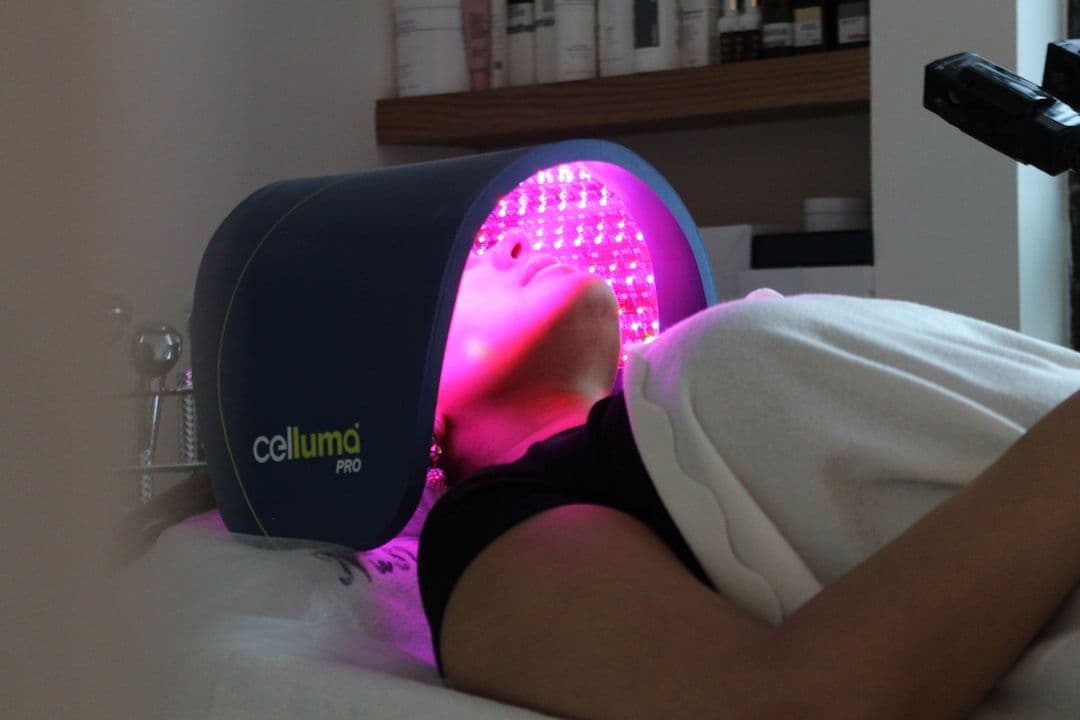
A typical light therapy session involves positioning yourself in front of a light box for 20-30 minutes, usually whilst eating breakfast, reading, or working on a laptop. The light should enter your visual field—you don't stare directly at it, but it needs to reach your eyes to be effective.
Most people begin sessions immediately upon waking or within the first hour of their day. You'll sit approximately 16-24 inches from the device, depending on its intensity and your practitioner's recommendations. The experience feels like sitting near a bright window on a sunny morning—pleasant rather than harsh or uncomfortable.
Initial sessions might feel slightly overwhelming if you're sensitive to bright light, and some people experience mild headaches or eye strain during the first few days. These effects typically diminish as your eyes adjust. Starting with shorter sessions and gradually increasing duration can help minimise discomfort.
Response times vary considerably between individuals. Some people notice mood improvements within a few days, whilst others require 2-4 weeks of consistent use. Sleep pattern changes often appear first, followed by gradual mood stabilisation. The effects are generally maintained only whilst continuing regular sessions.
Evidence and Effectiveness
Research strongly supports light therapy for seasonal affective disorder, with multiple systematic reviews and randomised controlled trials demonstrating significant benefit. NICE guidelines recognise light therapy as an effective first-line treatment for winter-pattern seasonal depression, particularly when sessions provide 10,000 lux for 30 minutes daily.
Evidence for non-seasonal depression shows promise but remains less robust. Several studies suggest light therapy may enhance antidepressant medication effects, and some trials indicate benefit as a standalone treatment for mild to moderate depression. However, response rates vary considerably, and the mechanism for non-seasonal conditions isn't clearly established.
For sleep disorders, research indicates potential benefits for circadian rhythm sleep disorders, jet lag recovery, and sleep disturbances in older adults. Studies on shift work adaptation show mixed results, though many healthcare workers report subjective improvements with consistent use.
The quality of available research varies significantly across applications. Whilst seasonal affective disorder studies meet high methodological standards, evidence for other conditions often comes from smaller trials with shorter follow-up periods. Individual factors—including baseline vitamin D levels, chronotype, and light sensitivity—appear to influence outcomes significantly.
Finding Quality Light Therapy
Quality light boxes should meet medical device standards and provide full-spectrum light at 10,000 lux intensity. Look for devices certified as medical devices by the MHRA, with UV filters to protect your eyes. Reputable manufacturers provide clear specifications about light output, recommended distances, and safety features.
Expect to invest £80-300 for a quality light box, with prescription through NHS services sometimes available for diagnosed seasonal affective disorder. Portable devices and wearable light therapy glasses are available but generally provide lower intensities—suitable for maintenance rather than initial treatment.
Whilst you don't need a practitioner to use light therapy, consultation with a GP or psychiatrist helps determine appropriate intensity, timing, and duration for your specific situation. This becomes particularly important if you're taking medications that affect light sensitivity or have existing mood disorders.
Many people successfully self-manage light therapy, but professional guidance ensures proper technique and helps distinguish between normal adjustment periods and concerning side effects. Mental health professionals experienced with light therapy can provide valuable support in integrating sessions with other treatments and lifestyle modifications.