Preparing for Your Session
Light therapy requires minimal preparation, making it one of the more convenient complementary approaches. You don't need to fast, avoid caffeine, or follow special dietary restrictions beforehand. However, timing matters significantly—most practitioners recommend scheduling sessions for first thing in the morning, ideally between 6 and 9 AM, when light exposure most effectively influences your circadian rhythm.
Wear comfortable clothing, as you'll be sitting still for 20-30 minutes. Remove sunglasses and contact lenses if possible, though regular prescription glasses are fine. If you're using a personal light box, ensure it's positioned at the correct distance—typically 16-24 inches from your face, depending on the device specifications.
Avoid looking directly at screens or bright lights for about 30 minutes before your session, as this can reduce the contrast effect. Some people prefer to have breakfast, read material, or prepare work tasks they can do hands-free during the exposure.
The Light Exposure Process
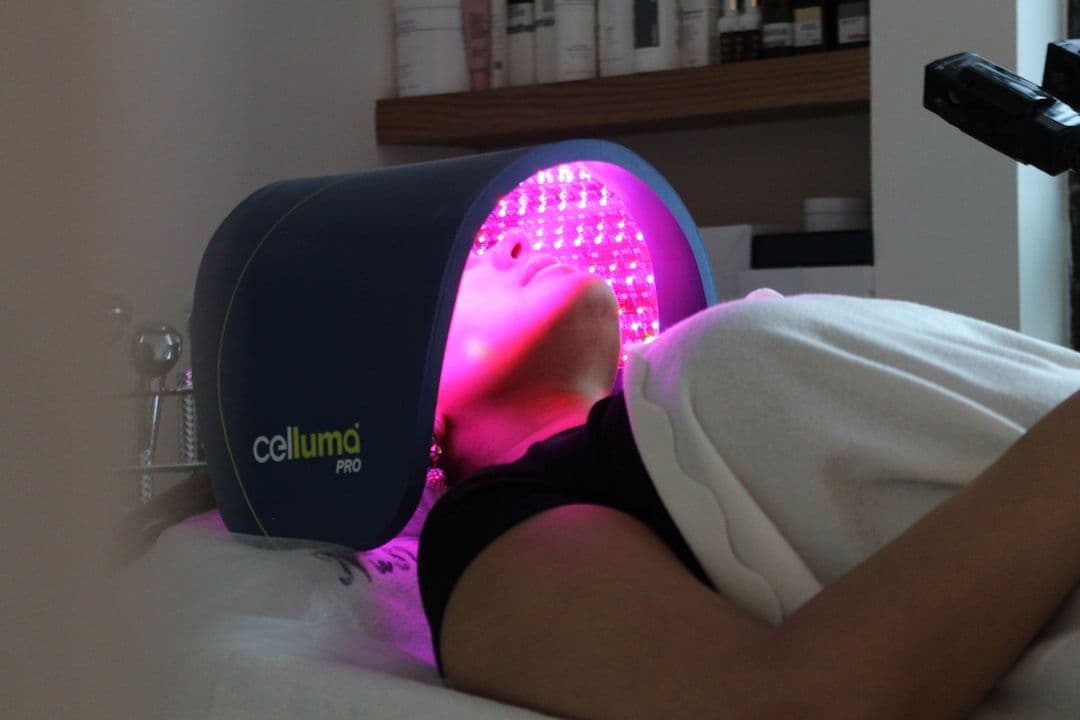
Your session begins with positioning yourself comfortably in front of the light box. The device should be angled slightly downward, mimicking natural sunlight, with the light entering your visual field at approximately a 30-degree angle from above. You don't stare directly at the light—instead, you sit within its illuminated area whilst engaging in other activities.
The light itself appears as a bright, white illumination, similar to daylight but more intense than typical indoor lighting. Most therapeutic devices emit 10,000 lux, roughly equivalent to outdoor light on a bright but overcast day. You'll notice this brightness immediately, though your eyes typically adapt within the first few minutes.
Duration varies based on light intensity and individual needs. Standard 10,000 lux sessions last 20-30 minutes, whilst lower-intensity devices require longer exposure. Many people use this time productively—reading, having breakfast, checking emails, or doing paperwork. The key is maintaining your position within the therapeutic zone whilst avoiding activities that require intense visual focus.
During and After: What You Might Experience
Physical sensations during light therapy are generally subtle. You may initially notice slight eye strain or mild headache, particularly in your first few sessions. These effects typically diminish as your system adapts. Some people report feeling more alert or energised within minutes, whilst others notice no immediate change.
Mood shifts can occur both during and after sessions, though individual responses vary considerably. Some users describe feeling more optimistic or motivated within the first week, whilst others require several weeks of consistent use before noticing benefits. A minority of people experience mild irritability or restlessness initially—usually a sign that the timing or intensity needs adjustment.
Post-session, you might feel more naturally alert than usual, which is why morning sessions work best for most people. Energy levels often remain elevated throughout the day, and you may notice improved sleep quality that evening. However, some individuals experience temporary sleep disruption if sessions are too late in the day or too intense initially.
Aftercare and Integration
Light therapy requires no special aftercare, but optimising your overall light exposure enhances effectiveness. Spend time outdoors during daylight hours when possible, and consider dimming artificial lights in the evening to maintain the circadian signal you've established.
Avoid additional bright light exposure immediately after your session—this includes intense screen time or other therapeutic light devices. Your eyes may be more sensitive for 30-60 minutes following treatment. If you experience persistent headaches or eye discomfort, reduce session duration or increase your distance from the device.
Results timeline varies significantly between individuals. Some people notice mood improvements within 2-4 days, whilst others require 2-3 weeks of consistent daily use. Sleep pattern changes typically emerge within the first week, but maximum benefits often develop over 4-6 weeks of regular practice.
Course Duration and Frequency
Most practitioners recommend daily sessions during your targeted period—commonly throughout autumn and winter for seasonal mood support, or for several weeks when addressing sleep pattern disruption. Initial courses typically run 6-8 weeks, with many people continuing seasonally or as needed.
Consistency proves more important than intensity. Daily 20-minute sessions are generally more effective than longer, sporadic exposures. If you miss a day, simply resume your normal schedule rather than attempting to compensate with extended sessions.
Maintenance varies by individual need and condition. Some people use light therapy seasonally, others integrate it into their daily routine year-round. Those addressing shift work or chronic sleep issues often continue indefinitely, whilst seasonal users may reduce frequency as natural light increases in spring and summer.