What Is Microcurrent Therapy?
Imagine an electrical current so gentle that it operates entirely beneath your awareness—no tingling, no sensation, no muscular contraction. This is microcurrent therapy, where practitioners apply electrical currents measured in microamperes (millionths of an ampere) to specific areas of your body.
To put this in perspective, these currents are roughly 1,000 times weaker than those used in TENS machines. Where TENS deliberately stimulates nerve endings to interrupt pain signals, microcurrent works at the cellular level, theoretically mimicking the body's own bioelectric signalling. You might lie still for an hour with electrodes placed on your lower back, completely unaware that any electrical activity is occurring—yet practitioners report that patients often experience significant improvements in pain and function.
The therapy gained prominence through the work of Björn Nordenström, a Swedish radiologist who proposed in the 1980s that the body operates as a complex electrical circuit. His theories about bioelectric healing laid groundwork for modern microcurrent applications, though the mechanisms remain incompletely understood.
From Medical Device to Wellness Tool
Microcurrent therapy emerged from mainstream medical device development in the 1960s and 1970s, initially designed for wound healing in clinical settings. Early research focused on its potential to accelerate tissue repair and reduce healing times for chronic ulcers and post-surgical wounds.
The therapy gradually expanded beyond wound care as practitioners observed broader effects on pain and muscle function. In the 1990s, it found particular favour amongst sports medicine practitioners and physiotherapists working with athletes. Today, you'll encounter microcurrent in contexts ranging from NHS pain clinics to high-end wellness centres.
Unlike many complementary modalities, microcurrent therapy doesn't draw from traditional healing systems or ancient practices. It represents a distinctly modern approach, born from biomedical research into cellular electricity and tissue repair mechanisms.
How Practitioners Understand the Mechanisms
Practitioners working with microcurrent therapy propose that these subtle currents enhance cellular energy production by stimulating ATP (adenosine triphosphate) synthesis within cells. The theory suggests that injured or dysfunctional tissues exhibit altered electrical properties, and that applying appropriate microcurrents can help restore normal cellular activity.
From a biomedical perspective, several mechanisms are proposed: improved ion transport across cell membranes, enhanced local blood flow, and potential modulation of inflammatory processes. Some research suggests microcurrent may influence protein synthesis and collagen production, which could explain reported improvements in tissue healing.
The currents are also thought to work through pain gate theory—the same principle underlying TENS therapy, but operating at a much subtler level. Rather than overwhelming pain signals with stronger electrical input, microcurrent may gently modulate nerve transmission pathways. However, practitioners acknowledge that the precise mechanisms remain largely theoretical, supported more by clinical observation than definitive research.
Who Seeks Microcurrent Treatment?
People typically discover microcurrent therapy through physiotherapy clinics, pain management centres, or sports medicine practices. Those with fibromyalgia often report it helps with the widespread muscle pain and fatigue that characterise their condition. Individuals with osteoarthritis, particularly in weight-bearing joints, may find it supports their broader pain management strategy.
Athletes represent another significant group, using microcurrent both for injury recovery and performance enhancement. Runners with persistent plantar fasciitis, tennis players with elbow pain, and footballers recovering from hamstring injuries commonly receive microcurrent as part of their rehabilitation programmes.
People with slow-healing wounds—whether from diabetes, poor circulation, or post-surgical complications—sometimes turn to microcurrent when conventional wound care plateaus. Additionally, those experiencing peripheral neuropathy, whether from diabetes or chemotherapy, may explore microcurrent for symptom management when standard treatments provide insufficient relief.
What to Expect During Treatment
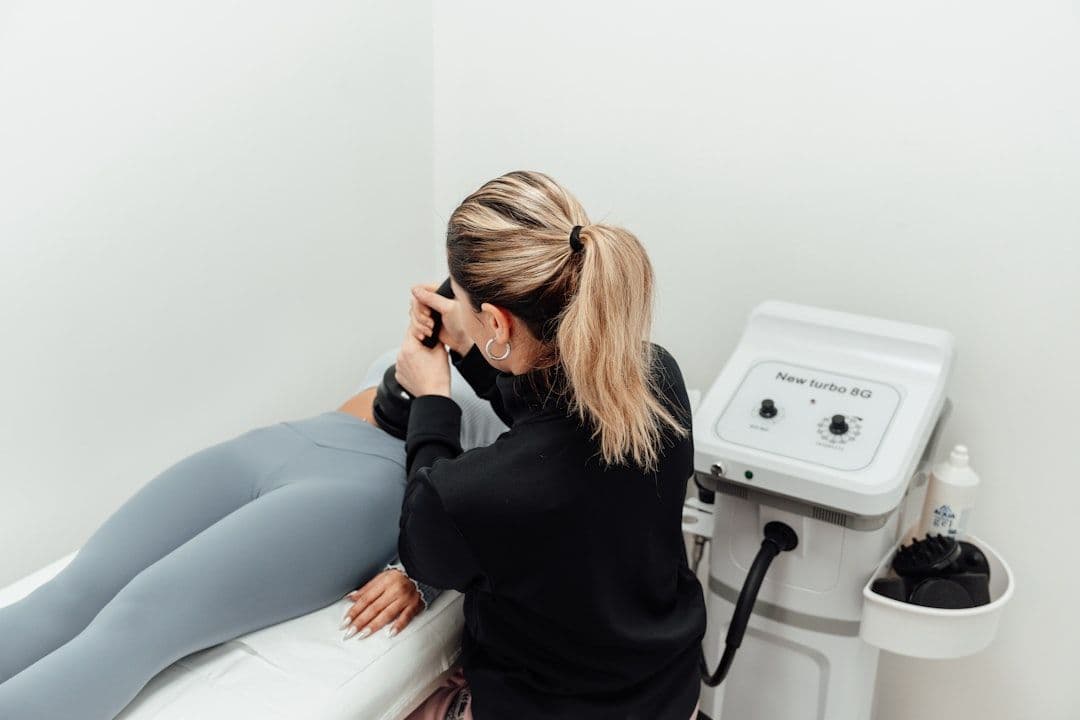
A typical microcurrent session begins with your practitioner conducting a detailed assessment of your condition and medical history. They'll explain electrode placement and ensure you're comfortable with the process, particularly if you have any concerns about electrical therapy.
During treatment, you'll usually lie comfortably whilst small electrodes are positioned on or around the affected area. The practitioner will adjust current intensity and frequency based on your specific condition—frequencies typically range from 0.5Hz to 1000Hz, though many treatments use much lower ranges. You might receive treatment to one specific area or to multiple points simultaneously.
Sessions typically last 30-60 minutes, during which you should feel essentially nothing. Some people report a very mild tingling sensation initially, but this usually subsides completely. You can often read, listen to music, or simply rest during treatment. Many practitioners combine microcurrent with other modalities like manual therapy or exercise prescription.
Treatment frequency varies considerably—some conditions respond to daily sessions initially, whilst others require only weekly appointments. Your practitioner will typically recommend a course of treatments rather than single sessions, as cumulative effects are commonly reported.
The Evidence Landscape
Clinical research on microcurrent therapy presents a mixed picture. Small-scale studies have shown promising results for specific applications—wound healing research dating back to the 1980s suggested accelerated recovery times, whilst more recent pilot studies indicate potential benefits for chronic pain conditions.
A systematic review examining microcurrent for musculoskeletal conditions found some evidence supporting its use, but noted that most studies suffered from small sample sizes and methodological limitations. Research on fibromyalgia has shown encouraging preliminary results, though larger randomised controlled trials are needed to establish definitive clinical efficacy.
Practitioners consistently report patient improvements that extend beyond placebo effects—reduced pain scores, improved functional mobility, and enhanced quality of life measures. However, they acknowledge that individual responses vary significantly, and that some people experience minimal benefit despite appropriate treatment protocols.
The challenge with microcurrent research lies partly in its subtlety. Unlike pharmaceutical interventions with clear dose-response relationships, microcurrent effects may depend on factors like tissue conductivity, electrode placement precision, and individual bioelectric characteristics that are difficult to standardise across research studies.
Finding Qualified Practitioners and Practical Considerations
Microcurrent therapy is typically provided by physiotherapists, sports therapists, and some complementary practitioners with appropriate training. Look for practitioners registered with the HCPC (Health and Care Professions Council) if they're physiotherapists, or with CNHC (Complementary & Natural Healthcare Council) for other healthcare professionals.
Specific microcurrent training varies, but reputable practitioners should have completed manufacturer-specific courses and maintain ongoing professional development. Ask about their experience with your particular condition and their approach to treatment planning.
Costs typically range from £40-80 per session in private practice, with initial consultations often at the higher end. Some physiotherapy clinics offer microcurrent as part of broader treatment packages. NHS availability varies by region and is usually limited to specific clinical indications like wound healing.
Treatment courses commonly involve 6-12 sessions initially, with maintenance sessions as needed. Factor this into your budget planning, as single sessions rarely provide lasting benefit. Many practitioners offer package deals for multiple sessions, which can reduce overall costs whilst supporting the cumulative approach that microcurrent typically requires.