Before You Arrive
Drink plenty of water in the hours before your appointment—proper hydration helps electrical currents conduct more effectively through your tissues. Wear loose, comfortable clothing that allows easy access to the treatment area. Cotton fabrics work well as they don't interfere with the electrical conductivity.
Avoid applying lotions, oils, or moisturisers to the area being treated on the day of your session. These products can create a barrier that reduces electrode contact with your skin. If you're taking any medications or have medical conditions, particularly those affecting your nervous system or circulation, bring a list to discuss with your practitioner.
Arrive a few minutes early to complete any necessary paperwork and discuss your health history. Your practitioner will want to understand your specific concerns, pain levels, and treatment goals before beginning.
The Session Process
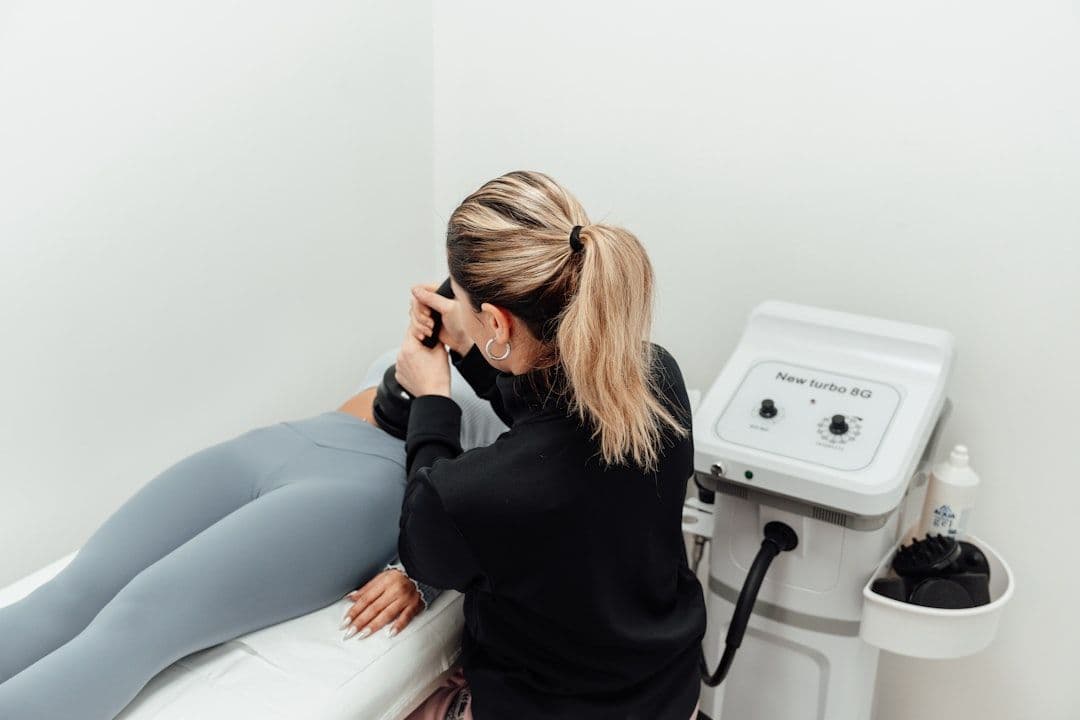
Your practitioner begins by examining the treatment area and explaining the procedure. They'll clean your skin with alcohol wipes to ensure good electrode contact, then position small adhesive electrodes or handheld probes on specific points around the affected area.
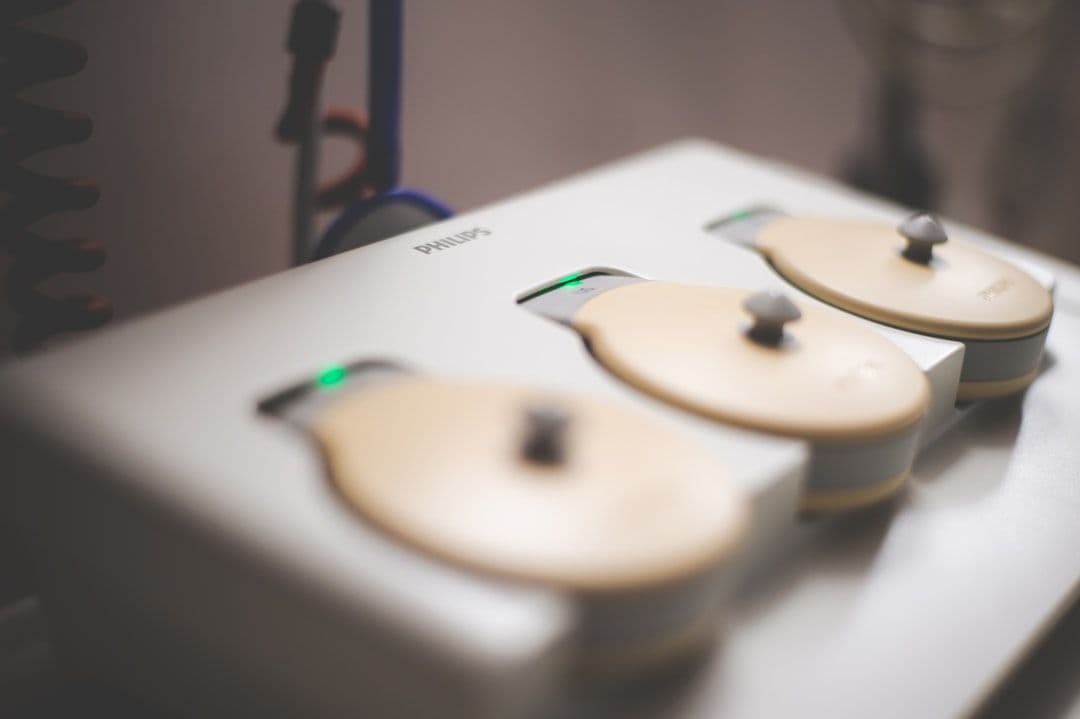
The microcurrent device resembles a small computer with digital displays showing current levels and treatment protocols. You'll hear occasional beeps as the practitioner adjusts settings, but the room remains quiet and relaxed. Most people describe the environment as similar to a physiotherapy clinic.
Once treatment begins, you should feel virtually nothing. Microcurrent operates below your sensory threshold—if you feel tingling, burning, or muscle contractions, the current is too high and should be reduced immediately. The practitioner monitors your comfort throughout and adjusts the intensity accordingly.
Treatment typically lasts 30-60 minutes, during which you can read, listen to music, or simply rest. Some practitioners use multiple electrode pairs simultaneously to treat different areas. The current gradually increases and decreases in cycles, though you won't perceive these changes.
What You Might Experience
During the session, most people feel deeply relaxed and may even fall asleep. The treatment room's quiet atmosphere and the need to remain still naturally encourage rest. Some individuals report a subtle sense of warmth or gentle pulsing in the treatment area, but many feel nothing at all.
Immediately after treatment, you might notice improved range of motion or reduced stiffness in the treated area. However, dramatic instant changes are uncommon—microcurrent works gradually at the cellular level rather than providing immediate symptomatic relief.
In the hours following treatment, some people experience mild fatigue as their body processes the therapeutic effects. Others report feeling more energised. Sleep patterns may temporarily improve, and some individuals notice reduced pain levels within 24-48 hours.
Not everyone responds in the same way or timeframe. Factors including your overall health, hydration levels, the condition being treated, and individual tissue conductivity all influence your response to microcurrent therapy.
Aftercare and Recovery
Continue drinking water regularly for the rest of the day—aim for at least eight glasses to support your body's cellular processes and maintain the therapy's benefits. Avoid alcohol for 24 hours as it can interfere with tissue healing and cellular function.
Gentle movement is encouraged, but avoid intense exercise or activities that might strain the treated area for the remainder of the day. Light stretching or walking can help maintain any improved mobility gained from the session.
You can shower normally, but avoid hot baths, saunas, or ice baths for 24 hours. Extreme temperatures might interfere with the ongoing cellular processes stimulated by the treatment. If you notice any unusual reactions or discomfort, contact your practitioner promptly.
Treatment Frequency and Duration
Most practitioners recommend starting with 2-3 sessions per week for acute conditions, or 1-2 sessions weekly for chronic issues. Acute injuries might respond within 3-6 sessions, while longstanding problems typically require 8-12 treatments to assess effectiveness.
Each person's treatment plan varies based on their condition, overall health, and response to initial sessions. Your practitioner will evaluate your progress after the first few appointments and adjust frequency accordingly. Some people maintain benefits with monthly maintenance sessions once their initial course is complete.
Improvement often follows a cumulative pattern rather than linear progress. You might notice changes after the third or fourth session that weren't apparent earlier. Keep a simple pain or mobility diary to track subtle changes that might otherwise go unnoticed.
Discuss realistic expectations with your practitioner at your first appointment. Whilst some people experience significant improvements, others may find the therapy provides modest benefits or works better in combination with other treatments.