The Sound of Stillness
Picture sitting in a softly lit room as gentle piano notes drift through the air, each tone seeming to slow your breathing without conscious effort. Your attention flows between the music's subtle rhythms and the sensation of your chest rising and falling. This isn't background music for meditation — it's music as meditation, where carefully chosen soundscapes become the very foundation of mindful awareness.
Music meditation transforms the traditional silent retreat into an auditory journey. Rather than fighting mental chatter or struggling to find focus, practitioners allow instrumental melodies, ambient textures, or nature sounds to guide their attention. The music doesn't distract from meditation — it becomes the object of meditation, creating what many describe as a more accessible pathway to deep states of relaxation.
This practice differs fundamentally from simply playing relaxing music during meditation. Each piece is selected for specific acoustic properties: tempo that matches resting heart rate, frequencies that promote alpha brainwave activity, and harmonic structures that naturally draw the mind into present-moment awareness.
From Ancient Chants to Modern Soundscapes
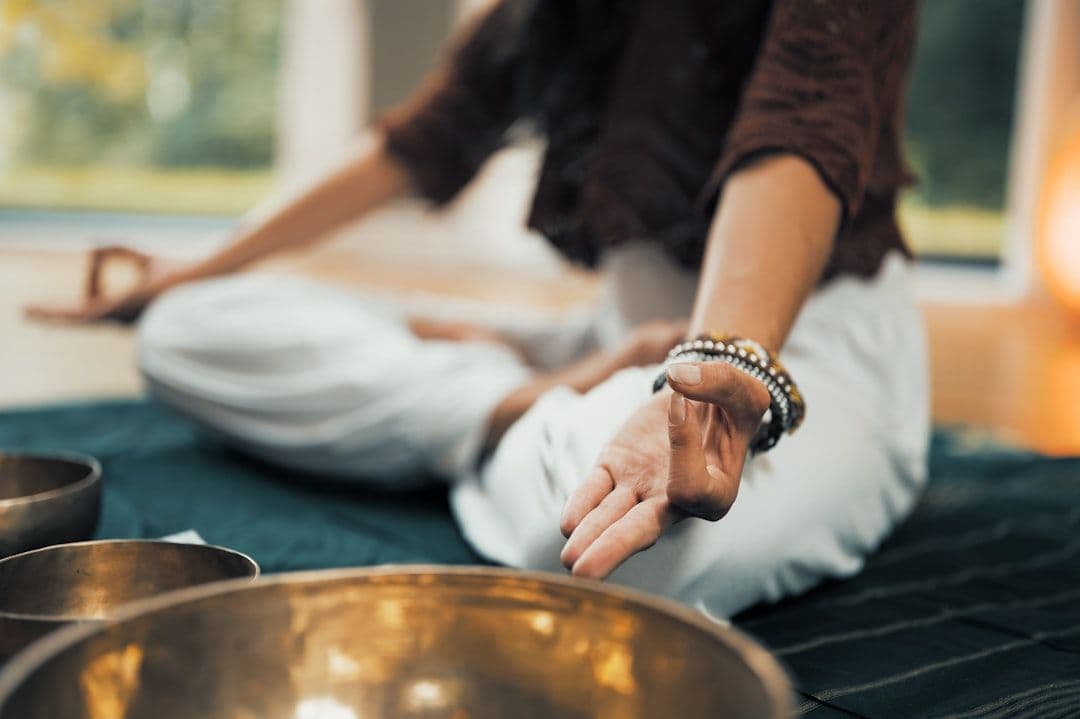
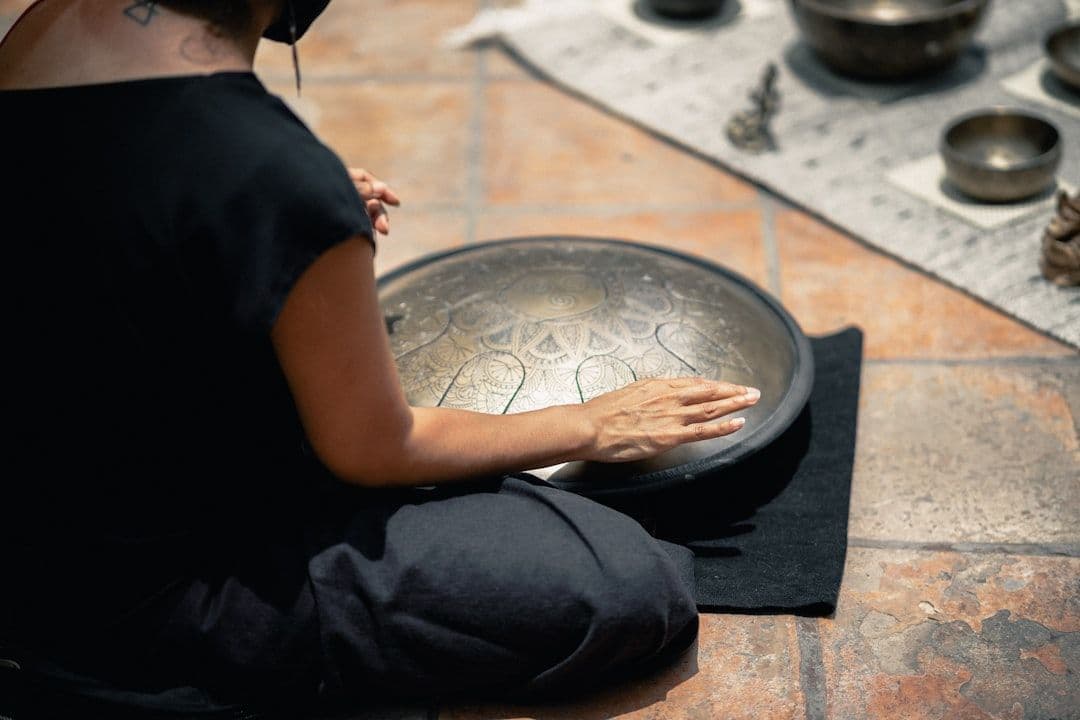
Humans have combined music with contemplative practice for millennia. Tibetan singing bowls, Gregorian chant, and Indigenous drumming ceremonies all recognised music's capacity to alter consciousness and deepen spiritual experience. What we now call music meditation draws from these traditions whilst embracing contemporary neuroscience insights.
The modern form emerged in the 1970s as meditation teachers began experimenting with ambient music and electronic soundscapes. Pioneers like Steven Halpern and Deuter created compositions specifically designed to support meditative states rather than entertainment. Unlike traditional music with predictable verse-chorus structures, these pieces unfold organically, without jarring transitions that might pull attention back to analytical thinking.
Today's practice spans everything from carefully curated classical pieces to purpose-built ambient compositions, nature recordings, and binaural beats. What unites them is intentionality — each element serves the goal of supporting sustained, relaxed attention rather than emotional stimulation or aesthetic pleasure.
How Sound Shapes Consciousness
Music meditation works through multiple pathways simultaneously. The auditory cortex processes the musical elements whilst the prefrontal cortex — responsible for executive attention — gradually shifts from analytical to receptive mode. Regular rhythms at 60-80 beats per minute tend to synchronise with resting heart rate, naturally slowing physiological arousal.
Preliminary research suggests this combination may activate the parasympathetic nervous system more readily than silent meditation. Studies measuring heart rate variability show increased coherence patterns during music-assisted practice, whilst cortisol measurements indicate faster stress hormone reduction compared to silence alone. However, these findings come from small studies and require replication in larger, controlled trials.
The practice appears to work by providing what researchers call an "attentional anchor" — something more engaging than breath awareness but less stimulating than complex music. This middle ground may explain why people who struggle with traditional meditation often find music-assisted practice more accessible. The soundscape carries attention when focus wavers, creating a supportive container for developing mindfulness skills.
Who Finds Music Meditation Most Helpful
This practice particularly suits people whose minds resist the emptiness of silent meditation. If you've tried traditional mindfulness and found yourself constantly battling mental chatter or feeling restless in silence, music meditation might offer a more natural entry point. The continuous auditory input provides something for the analytical mind to track without overwhelming awareness.
People managing chronic stress often report faster results than with silent practice. The immediate physiological response to carefully chosen music can trigger relaxation within minutes, making it valuable for those who need rapid stress relief during busy days. Similarly, individuals with sleep difficulties may find evening music meditation sessions more effective than other wind-down routines.
Anxiety sufferers sometimes discover that music meditation feels less confronting than sitting with racing thoughts in silence. The gentle structure provides support without feeling restrictive, allowing gradual development of self-regulation skills in a more contained environment.
What to Expect in Practice
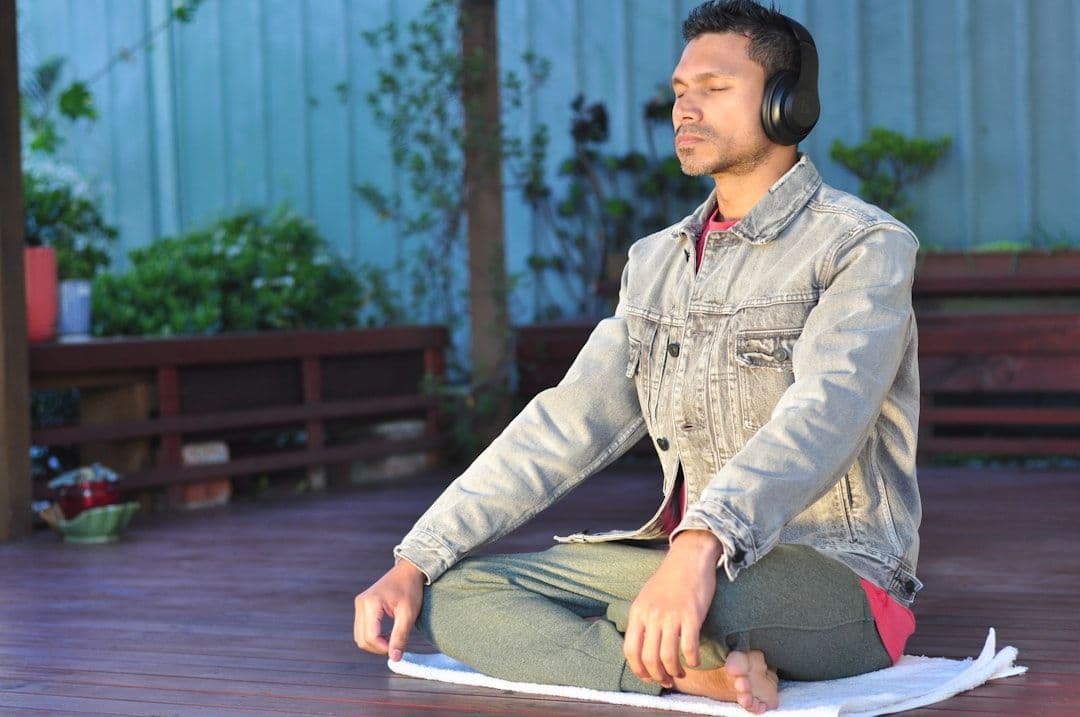
A typical music meditation session begins with finding a comfortable position — sitting upright or lying down, depending on your alertness level and the session's purpose. The facilitator might begin with brief grounding instructions: noticing your breath, feeling your body's contact with the chair or floor, setting an intention for the practice.
As the music begins, you're invited to let it wash over you rather than actively listening. Some sessions encourage following the melody's rises and falls with your breath, whilst others suggest using the soundscape as background whilst focusing on body sensations or breath awareness. The key is allowing the music to support rather than direct your attention.
Sessions typically last 20-45 minutes, with the music gradually fading rather than stopping abruptly. Many people report feeling simultaneously relaxed and alert afterwards — what practitioners describe as "calm clarity." Unlike entertainment music that might leave you emotionally stirred, meditation music aims to settle you into present-moment awareness without residual mental activity.
The Evidence Landscape
Research into music meditation remains in early stages, with most studies involving small participant groups and self-reported outcomes rather than robust clinical measurements. Several pilot studies suggest promising effects on stress markers, sleep quality, and emotional regulation, but these require replication in larger, controlled trials before drawing firm conclusions.
A 2019 study of 60 participants found music meditation reduced perceived stress more effectively than silent meditation over eight weeks, with participants showing improved heart rate variability patterns. However, the study lacked proper control groups and relied heavily on questionnaire data. Similar limitations affect most current research — positive trends that need validation through more rigorous methodology.
What we can say with confidence is that many people report subjective benefits: easier access to meditative states, improved stress management, and better sleep quality. These experiential reports, whilst not constituting clinical evidence, suggest the practice offers value for many individuals as part of a broader wellness approach.
Finding Your Practice
Group music meditation sessions typically cost £12-25 in studios or community centres. Private sessions with qualified facilitators range from £40-80, though many people develop home practices using guided recordings or streaming services specifically designed for meditation music. Apps like Insight Timer offer extensive free libraries, whilst subscription services provide structured programmes.
Look for facilitators trained through recognised meditation organisations or those with specific music therapy qualifications. The Complementary & Natural Healthcare Council (CNHC) maintains registers of qualified meditation teachers, though music meditation is often taught as part of broader mindfulness training rather than a standalone speciality.
Consistency matters more than session length when establishing practice. Many people find 15-20 minutes daily more beneficial than occasional longer sessions. Start with guided recordings to learn the basic approach, then experiment with different musical styles to discover what works best for your nervous system and temperament.