Before You Arrive
Arrive with an empty stomach — avoid large meals for two hours beforehand, though a light snack is fine. Caffeine and alcohol can interfere with your ability to settle, so limit these for at least four hours prior.
Wear loose, comfortable clothing in layers. Studios are often kept slightly cool to prevent drowsiness, but you'll want the option to adjust your temperature as your body relaxes. Remove jewellery that might dig in when lying down, and consider bringing a small pillow if you have specific neck support needs.
Switch your phone to airplane mode before entering the space. Many practitioners begin with a brief check-in about your current state of mind and any physical discomfort, so arrive five to ten minutes early for this conversation.
The Session Unfolds
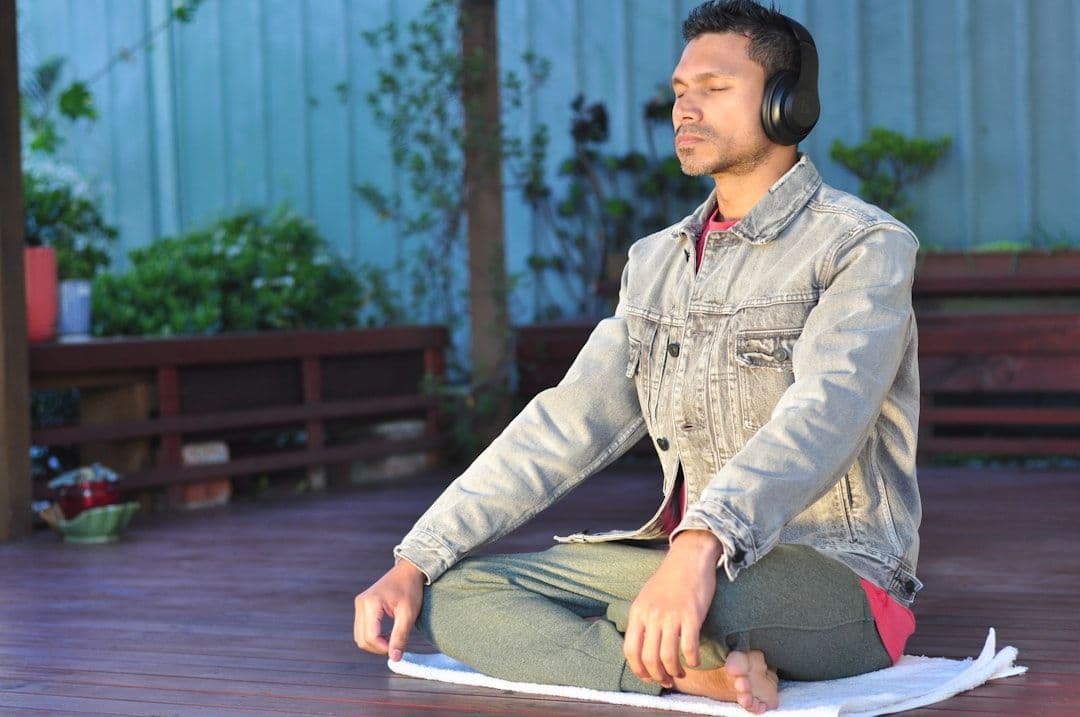
You'll begin lying down or seated comfortably whilst the practitioner explains the session structure and invites you to close your eyes. The first five minutes typically involve breath awareness without music, allowing your nervous system to begin settling.
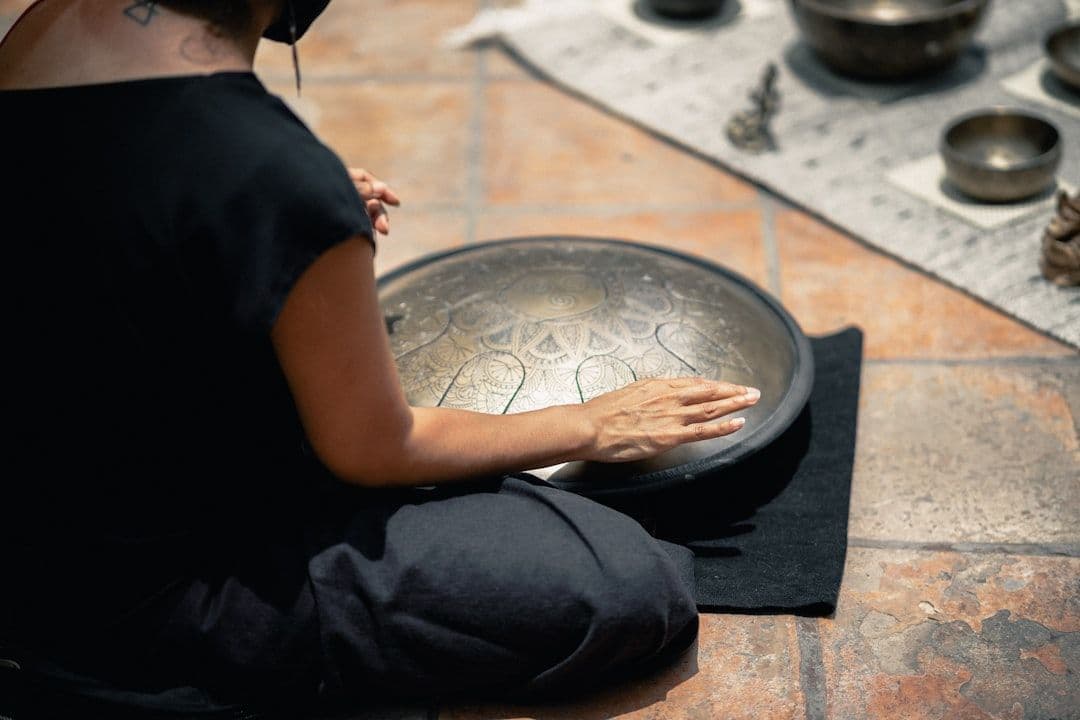
The music enters gradually — often starting with ambient tones or nature sounds before introducing melody and rhythm. You might hear Tibetan singing bowls, classical instruments, or electronic soundscapes specifically composed for meditation. The practitioner may offer gentle verbal guidance initially, directing attention to breath, body sensations, or the music itself.
As the session deepens, guidance typically becomes less frequent, allowing the music to carry your attention. You'll notice the soundscape shifting — sometimes becoming more complex, sometimes stripping back to simple tones. These transitions are intentional, designed to maintain engagement without overstimulation.
The final ten minutes usually involve a gradual return to silence, with the practitioner offering gentle reminders to notice your breath and surroundings before slowly opening your eyes.
What You Might Experience
Initially, your mind may analyse the music — noting instruments, judging melodies, or comparing to familiar pieces. This mental chatter typically quietens as the session progresses and your attention naturally anchors to the present moment.
Physically, you might notice warmth spreading through your limbs, tingling sensations, or a feeling of heaviness as muscles release tension. Some people experience vivid mental imagery, colours behind closed eyelids, or emotional responses ranging from deep sadness to unexpected joy. These reactions are normal and often indicate the nervous system processing stored stress.
After the session, you may feel deeply relaxed, slightly disoriented, or energetically refreshed. Some people report improved mood lasting several hours, whilst others notice enhanced sleep quality that evening. Occasionally, sessions can bring up intense emotions or memories — practitioners are trained to provide appropriate support when this occurs.
Aftercare and Integration
Drink plenty of water following your session, as the relaxation response can be mildly dehydrating. Avoid immediately returning to high-stimulation activities — give yourself at least thirty minutes to transition gradually back to normal awareness.
Many practitioners suggest gentle movement like walking or stretching rather than remaining sedentary. Avoid making important decisions for a few hours, as the deeply relaxed state can temporarily affect concentration and judgment.
Some people experience what practitioners call "processing dreams" for several nights following sessions, particularly early in a course of treatment. Journaling these experiences can help track patterns and emotional shifts over time.
Benefits often emerge subtly — you might notice improved stress resilience, easier sleep onset, or enhanced emotional regulation rather than dramatic immediate changes.
Building a Practice
Most practitioners recommend an initial course of six to eight weekly sessions to establish familiarity with the practice and allow cumulative benefits to emerge. Individual sessions cost between £40-80, with some studios offering package discounts.
After this foundation period, many people transition to fortnightly sessions or monthly "maintenance" visits, often supplementing with home practice using recorded sessions or apps. The practitioner may provide personalised music recommendations based on your responses during sessions.
Consistency proves more valuable than frequency — regular fortnightly sessions typically produce better outcomes than sporadic intensive periods. Some people find seasonal intensives helpful during particularly stressful life phases, whilst others prefer steady weekly practice as part of ongoing wellness routines.