What Myofascial Release Actually Is
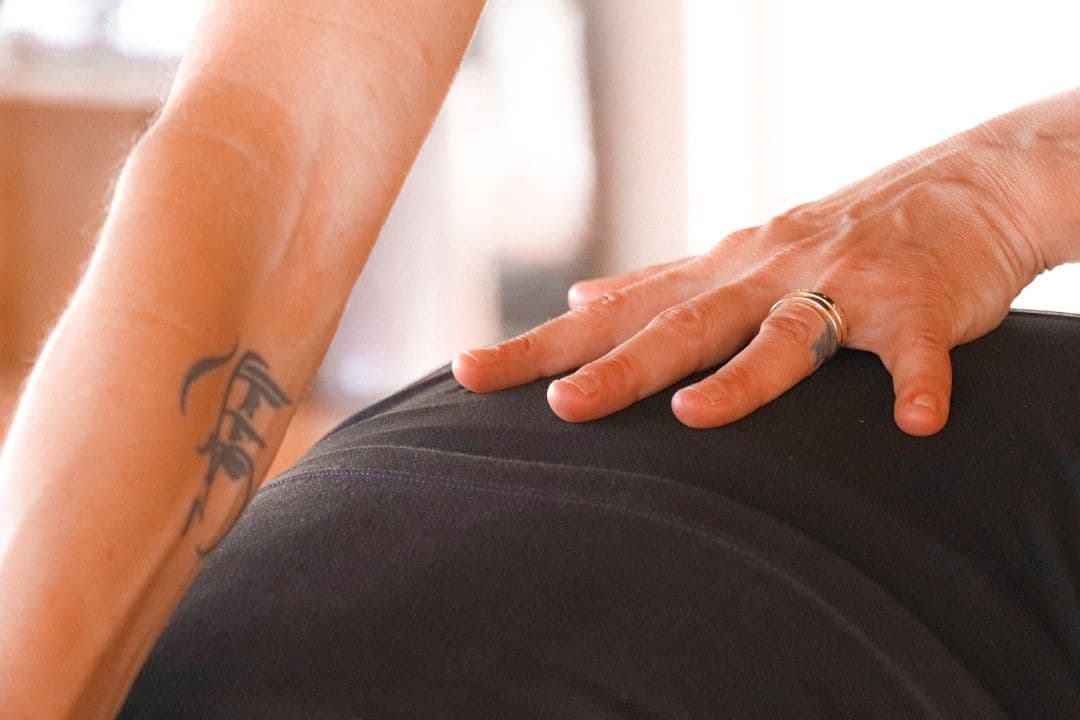
Picture a therapist's hands moving slowly across your back, applying firm, steady pressure that seems to sink deeper into the tissue with each passing minute. There's no kneading or quick movements — just deliberate, sustained contact that feels like it's reaching layers you didn't know existed.
This is myofascial release: a manual therapy technique that targets the fascia, the thin connective tissue that wraps around every muscle, organ, and structure in your body. Rather than working on muscles directly, practitioners focus on this often-overlooked tissue network that can become tight, adhesed, or restricted.
The technique involves applying sustained pressure — typically held for several minutes at a time — to areas where the fascia feels dense or immobile. Unlike massage, which primarily targets muscle tissue, myofascial release specifically aims to restore the natural slide and glide between tissue layers.
Origins and Evolution
Myofascial release emerged in the 1960s through the work of John Barnes, an American physical therapist who developed specific techniques after observing that traditional approaches weren't addressing certain persistent pain patterns. Barnes noticed that applying gentle, sustained pressure seemed to create changes that quick manipulations couldn't achieve.
The approach built on earlier osteopathic principles recognising fascia's importance in overall body function. However, Barnes formalised specific protocols and training programmes that distinguished myofascial release from general soft tissue work.
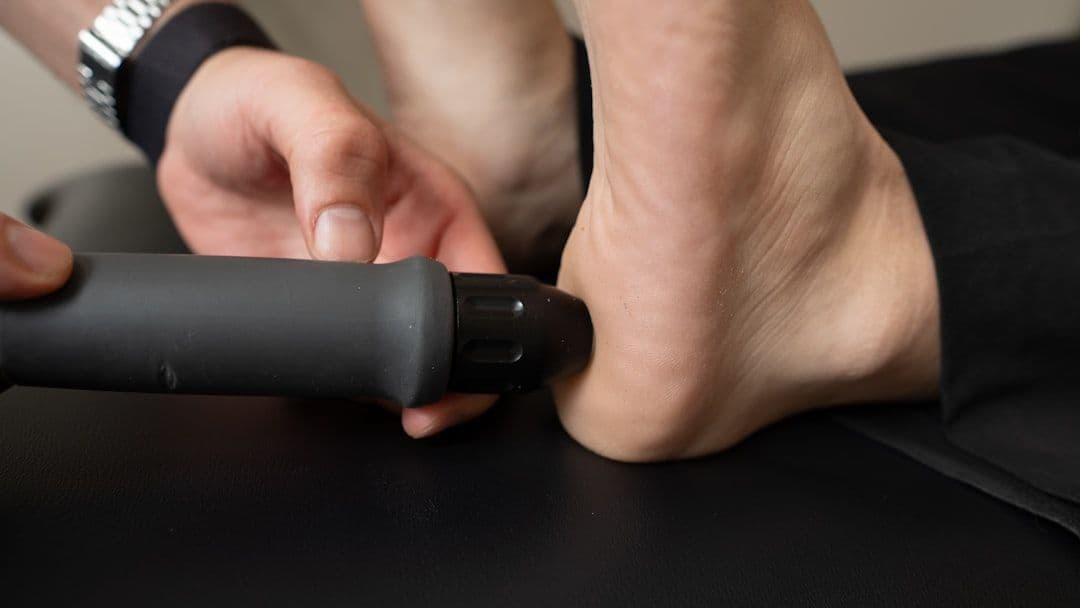
Today, the technique has evolved to include various approaches. Some practitioners use tools like foam rollers or specialised instruments, while others rely purely on hands-on techniques. The common thread remains the focus on sustained pressure and the fascial system's role in pain and movement dysfunction.
How It Works
From the practitioner's perspective, fascial restrictions feel like areas of increased density or "stickiness" within the tissue. The sustained pressure aims to restore normal tissue hydration and break up adhesions that may have formed between fascial layers.
The technique works on several levels. Mechanically, the sustained pressure may help separate tissue layers that have become stuck together. Neurologically, the slow, steady contact appears to influence the nervous system's protective responses, potentially allowing tight muscles to release.
Research suggests that fascial tissue responds differently to sustained versus quick pressure. Studies using ultrasound imaging show that myofascial techniques can increase tissue mobility and reduce thickness in targeted areas. The sustained nature of the pressure may also stimulate mechanoreceptors in the fascia, triggering neurological responses that reduce pain sensitivity.
What makes this approach distinct is its patience. Where other techniques might use quick movements to override tissue resistance, myofascial release waits for the tissue to respond and release naturally.
Who Might Find This Helpful
Myofascial release shows particular promise for people with persistent pain patterns that haven't responded well to other approaches. Those with fibromyalgia often report significant improvements in pain levels and sleep quality following treatment.
People recovering from injuries may find it helpful when scar tissue or compensatory movement patterns have created ongoing restrictions. The technique can be particularly valuable for athletes dealing with persistent tightness that affects performance, or office workers with chronic tension from repetitive postures.
Those with plantar fasciitis, chronic neck pain, or persistent low back pain may also benefit. The approach tends to work well for conditions where tissue restrictions contribute to ongoing symptoms, rather than acute injuries requiring immediate medical attention.
What a Session Involves
A typical session begins with the practitioner assessing your posture and movement patterns, identifying areas where tissue feels restricted or immobile. You'll usually lie on a treatment table, wearing comfortable clothing that allows access to the areas being treated.
The practitioner uses their hands, forearms, or sometimes elbows to apply sustained pressure to specific areas. This pressure starts gently and gradually increases as the tissue begins to respond. Each area might be held for three to five minutes — long enough for you to feel the tissue soften or release.
Many people describe the sensation as initially uncomfortable but not painful, followed by a gradual softening or warming feeling as the tissue releases. Some report feeling changes immediately, while others notice improvements in movement or pain levels hours or days later.
Sessions typically last 45 to 60 minutes and may include active movement or stretching while pressure is maintained. The practitioner might also teach you self-treatment techniques using tools like therapy balls or foam rollers.
The Evidence Picture
Research on myofascial release has grown significantly over the past decade, with several well-designed trials showing promising results. A 2020 systematic review found moderate-quality evidence supporting its use for chronic low back pain, with effects comparable to other manual therapy approaches.
Studies in people with fibromyalgia consistently show improvements in pain intensity, quality of life, and physical function following myofascial release treatment. Research also supports its use for improving range of motion in various conditions, from plantar fasciitis to chronic neck pain.
However, questions remain about optimal treatment protocols. Most studies use different techniques and treatment frequencies, making it difficult to establish standardised approaches. The mechanisms behind the observed benefits also continue to be debated, with some researchers questioning whether changes occur in the fascia itself or primarily through neurological pathways.
While the evidence is encouraging, particularly for certain chronic pain conditions, more research is needed to determine which techniques work best for specific problems and how long effects typically last.
Finding a Qualified Practitioner
Myofascial release is practised by various healthcare professionals, including physiotherapists, osteopaths, and specialised massage therapists. Look for practitioners who have completed specific training in myofascial release techniques, not just general soft tissue work.
In the UK, physiotherapists registered with the HCPC often incorporate myofascial techniques into their practice. Massage therapists certified through organisations like FHT or CNHC may also offer specialised myofascial work. Some practitioners complete specific myofascial release certification programmes, which typically involve extensive hands-on training.
Expect to pay £60-£100 per session in most areas, with initial consultations sometimes costing more. Many practitioners recommend a course of 3-6 sessions to assess response, though some people notice improvements after just one treatment.
When choosing a practitioner, ask about their specific training in myofascial techniques and their experience with your particular condition. A qualified practitioner should be able to explain their approach clearly and discuss realistic expectations for your situation.