Before You Arrive
Wear comfortable, loose-fitting clothing that allows your practitioner to access the areas you want treated. Shorts and a vest work well, though many practitioners provide gowns for modesty. You'll typically be asked to undress to your comfort level — the key is skin access rather than full exposure.
Drink plenty of water beforehand, as hydrated tissues respond better to fascial work. Avoid large meals for two hours prior, as you'll be lying in various positions. If you take pain medication regularly, continue as normal — don't stop it specifically for the session.
Arrive with a clear sense of your problem areas and any recent changes in symptoms. Your practitioner will want to understand not just where you hurt, but how movement feels limited and what activities trigger discomfort.
The Session Breakdown
Your practitioner begins with a detailed assessment, watching how you move and palpating areas of restriction. This isn't a gentle exploration — they're mapping the three-dimensional web of tension patterns throughout your body. Expect this to take 10-15 minutes of your hour-long session.
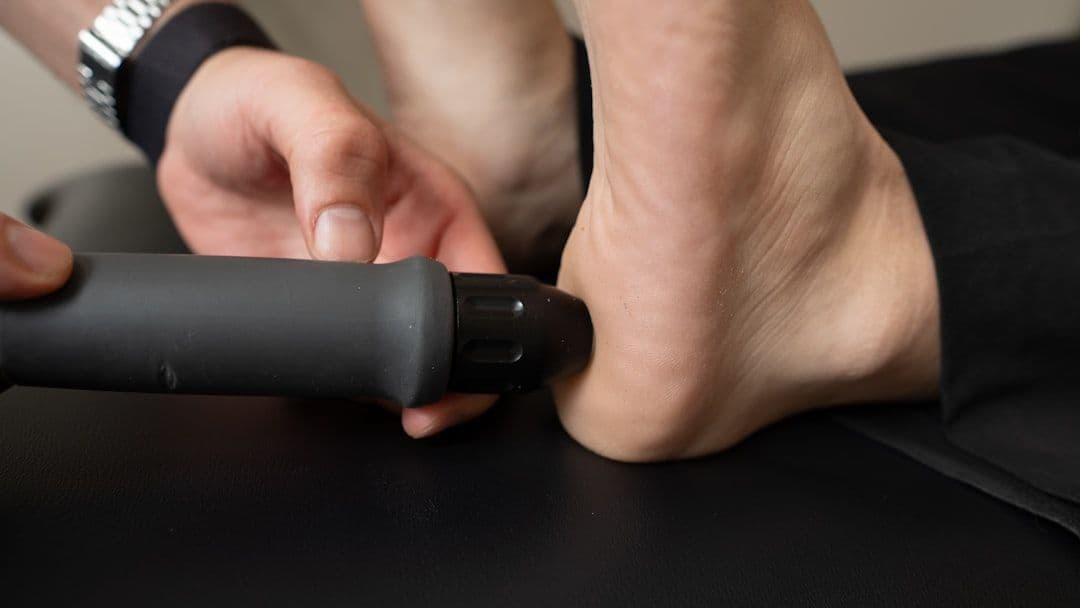
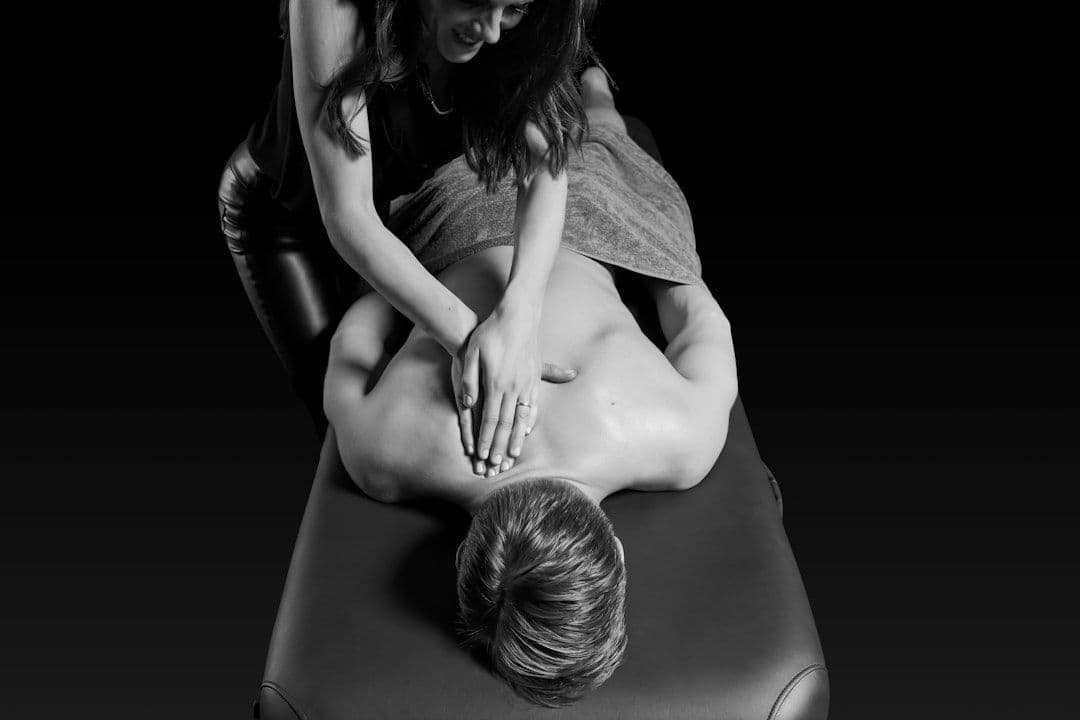
The treatment itself feels distinctly different from massage. Rather than rhythmic strokes, your practitioner applies sustained pressure to specific areas for 3-5 minutes at a time. The pressure starts light and gradually increases as your tissues respond. You might feel a deep ache or stretching sensation that intensifies before suddenly releasing.
Many sessions involve active participation — your practitioner might ask you to breathe into specific areas or move a limb whilst they maintain pressure. This isn't passive relaxation. The work requires your nervous system to recalibrate, which means staying present with whatever sensations arise.
Expect to spend time in various positions: lying supine, prone, or side-lying depending on which fascial planes need addressing. Your practitioner may work the same area multiple times if they feel incomplete release.
What You Might Experience
Physical sensations vary dramatically between individuals and even between sessions. Some people feel immediate relief and increased mobility. Others experience temporary stiffness or soreness as tissues reorganise themselves. Both responses are normal.
Many clients report feeling heat, tingling, or a "melting" sensation as fascial restrictions release. Some experience what practitioners call "unwinding" — spontaneous movements as your body finds new patterns of holding. Don't be alarmed if your leg suddenly wants to rotate or your shoulder blade shifts position.
Emotional responses occasionally surface during treatment. Fascia can hold physical memories of trauma or stress, and releasing these areas sometimes brings unexpected emotions. Tears, laughter, or feeling temporarily overwhelmed are all documented responses. Your practitioner should create space for whatever arises without making it the focus of treatment.
Afterwards, you might feel lighter and more mobile, or slightly spaced out as your nervous system processes the changes. Both immediate improvement and delayed response (24-48 hours later) are equally valid outcomes.
Post-Session Care
Hydration becomes crucial after myofascial release. Drink more water than usual for the next 24 hours to support the tissue changes you've initiated. Dehydration can cause the newly mobile fascia to tighten again.
Avoid strenuous exercise for 24 hours, but gentle movement helps integrate the work. Walking, easy stretching, or basic yoga poses allow your tissues to adapt to their new freedom without overwhelming the system. Many practitioners provide specific exercises based on what they've released.
Some soreness is expected, particularly if you've had chronic restrictions. This differs from injury pain — it feels more like the aftermath of a good workout. Apply heat if comfortable, but avoid anti-inflammatory medications unless necessary, as inflammation plays a role in tissue remodelling.
Pay attention to changes in sleep quality, energy levels, and movement patterns over the following days. Sometimes improvements appear gradually rather than immediately.
Treatment Timeline and Frequency
Most practitioners recommend starting with weekly sessions for 4-6 weeks, then spacing appointments further apart as improvements plateau. Acute issues might resolve in 2-3 sessions, whilst chronic patterns often require 6-8 treatments to achieve lasting change.
Your body needs time between sessions to integrate changes. Scheduling appointments too closely can overwhelm your system's ability to adapt. Most practitioners prefer 7-14 day intervals initially.
Mainly importantly, improvement isn't always linear. You might feel significantly better after session two, then experience a temporary regression before session four brings lasting relief. This reflects the complex nature of fascial reorganisation rather than treatment failure.
Once initial goals are met, many people return for maintenance sessions every 4-8 weeks, particularly if their lifestyle or work patterns tend to recreate the original restrictions.