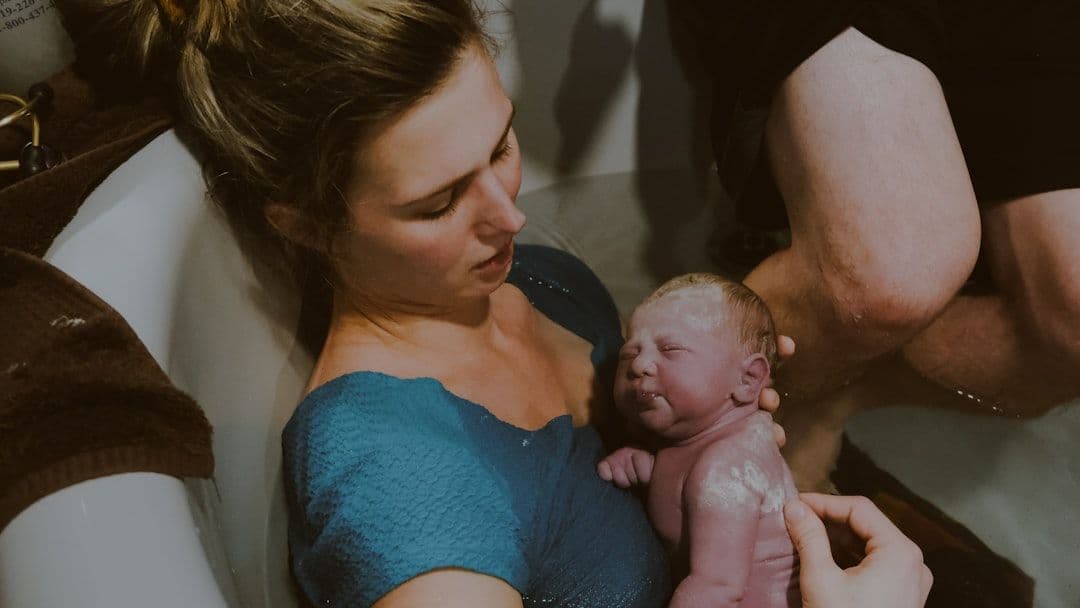
The Physiology of Undisturbed Birth
Picture labour beginning with the gentle release of oxytocin, your body's own hormone cocktail designed specifically for birth. Your uterus contracts in waves that gradually intensify, each surge drawing your cervix open whilst your baby descends through the birth canal. This is natural childbirth: trusting that your body knows precisely what to do, when to do it, and how to coordinate the intricate dance of hormones, muscles, and positioning that brings your baby earthside.
Natural childbirth doesn't mean unassisted or unprepared birth. Rather, it represents a conscious choice to work with your body's inherent birthing wisdom, using comfort measures, movement, and emotional support instead of routine medical interventions. Women who choose this path often describe feeling more connected to the birth process, more aware of their body's signals, and more empowered by their active participation in bringing their child into the world.
The approach acknowledges that birth, whilst intense, is fundamentally a normal physiological process that has sustained human life for millennia. Modern natural birth practices combine this ancient understanding with contemporary knowledge about optimal positioning, breathing techniques, and the crucial role of continuous support during labour.
From Medicalised Birth to Physiological Choice
The natural childbirth movement emerged in the 1940s as a response to increasingly medicalised hospital births. Pioneers like Grantly Dick-Read and Fernand Lamaze observed that fear and tension could inhibit normal labour progression, whilst relaxation and education seemed to restore the body's natural birthing capacity.
Dick-Read's "fear-tension-pain cycle" theory proposed that anxiety creates muscular tension, which intensifies pain and slows labour progress. His approach emphasised education about the birth process and relaxation techniques to break this cycle. Meanwhile, Lamaze developed structured breathing patterns and focal techniques borrowed from Pavlovian conditioning, giving women active tools to manage labour sensations.
By the 1970s, consumer advocacy groups were challenging routine hospital interventions like episiotomies, continuous foetal monitoring, and mandatory supine positioning. The homebirth and birth centre movements grew alongside demands for family-centred hospital care. Today's natural birth practices draw from this rich history whilst incorporating modern evidence about optimal birth positions, the microbiome, and the hormonal orchestration of labour.
How Natural Birth Works: Physiology Meets Practice
Natural childbirth operates on the principle that undisturbed labour follows an optimal hormonal cascade. Oxytocin pulses trigger uterine contractions whilst endorphins—your body's natural opiates—rise to manage intensity. Adrenaline provides energy for pushing, whilst the hormone cocktail at birth promotes immediate bonding and breastfeeding.
Medical research supports several key elements of natural birth practice. Upright positioning and freedom of movement use gravity to help your baby descend and can reduce labour duration. Warm water immersion during early labour provides muscle relaxation and pain relief. Continuous support from a trained birth companion—whether partner, doula, or midwife—measurably improves outcomes and satisfaction.
Breathing techniques work through multiple mechanisms. Deep, rhythmic breathing increases oxygen supply to your uterus and baby whilst activating your parasympathetic nervous system—your body's relaxation response. Focused breathing also provides cognitive distraction from labour sensations and helps maintain a sense of control during intense contractions.
The practice recognises that birth pain differs fundamentally from injury-related pain. Labour sensations signal progress rather than damage, and many women find that accepting rather than fighting these sensations actually reduces their intensity and emotional impact.
What Natural Birth Preparation Involves
Preparation typically begins months before your due date with comprehensive childbirth education. Classes cover the physiology of labour, stages of birth, optimal positioning, and breathing techniques. You'll learn to recognise early labour signs, practice comfort measures with your birth partner, and develop a flexible birth plan that outlines your preferences whilst acknowledging that births rarely follow scripts.
Physical preparation often includes prenatal yoga, pelvic floor exercises, and perineal massage. Some women work with chiropractors or osteopaths to ensure optimal pelvic alignment. Mental preparation might involve visualisation exercises, affirmations, or hypnobirthing techniques that help reframe labour sensations and build confidence in your body's capabilities.
During labour itself, natural birth relies heavily on continuous support and environmental modifications. Dim lighting, quiet surroundings, and freedom to move help maintain the hormonal balance necessary for smooth labour progression. Your support team helps you change positions, offers physical comfort through massage or counter-pressure, and provides emotional encouragement through challenging moments.
Pain management relies on non-pharmaceutical approaches: warm baths or showers, massage, acupressure, breathing techniques, and positioning changes. Many women find that staying active during early labour and using upright positions during pushing significantly reduces discomfort whilst promoting efficient labour progress.
The Evidence for Minimal Intervention
Large-scale research consistently demonstrates that low-risk pregnancies benefit from reduced medical intervention. The landmark Birthplace study, involving over 64,000 women, found that planned home births and birth centre deliveries resulted in fewer interventions and similar safety outcomes compared to hospital births for low-risk women.
Systematic reviews show that continuous labour support reduces the likelihood of caesarean section by 25% and shortens labour duration. Water immersion during early labour provides effective pain relief comparable to some pharmaceutical options. Upright positioning during the second stage of labour reduces episiotomy rates and may decrease pushing time.
However, the evidence also highlights important limitations. Natural birth approaches work best for women with uncomplicated pregnancies and normal labour progression. Approximately 10-15% of births involve complications requiring medical intervention, regardless of initial birth plan preferences.
Cochrane reviews emphasise that outcomes depend heavily on the skill of attendants and access to emergency care when needed. The safety of natural birth relies on proper risk assessment, experienced midwifery or medical care, and seamless transfer protocols when complications arise.
Finding Support and Making Informed Choices
Natural birth support is available through NHS community midwifery services, birth centres, and independent midwives registered with the Nursing and Midwifery Council. Many areas offer NHS homebirth services, whilst birth centres provide a middle ground between home and hospital settings.
Antenatal education costs range from free NHS classes to private courses (£200-£400). Doula support typically costs £500-£1,500, though some areas offer volunteer programmes. Independent midwifery care ranges from £3,000-£5,000 for complete pregnancy and birth support.
When choosing practitioners, look for midwives registered with the NMC and doulas certified through DOULA UK or Developing Doulas. Birth centres should be CQC-registered with clear transfer protocols to consultant-led units.
Consider your individual circumstances carefully. Previous birth experiences, pregnancy complications, personal anxiety levels, and partner support all influence whether natural birth feels right for you. The goal isn't achieving a particular type of birth, but making informed decisions that align with your values whilst prioritising safety for you and your baby.
Remember that birth plans often change, and flexibility becomes as important as preparation. Many women find that understanding natural birth principles helps them feel more confident and empowered, regardless of how their labour ultimately unfolds.