Preparing for Natural Labour
Your preparation begins weeks before labour starts. Attend comprehensive antenatal classes focusing on breathing techniques, relaxation methods, and labour positions. Practice these skills regularly with your birth partner—muscle memory becomes crucial when contractions intensify.
Pack a birth bag including comfortable loose clothing, several changes of underwear, nursing bras, and personal comfort items like essential oils or music. Include snacks rich in easily digestible carbohydrates and electrolyte drinks to maintain energy during labour.
Avoid heavy meals once contractions become regular, though light snacks remain beneficial in early labour. Ensure your birth plan clearly outlines your preferences for pain management, monitoring, and when you would accept medical intervention. Confirm your chosen birth location has immediate access to emergency medical care.
Early Labour at Home
Early labour typically begins with irregular contractions lasting 30-45 seconds, occurring every 10-20 minutes. You might notice a 'show'—the mucus plug—or waters breaking, though this happens during labour for only 15% of women.
Stay mobile during this phase. Walk around your home, use a birth ball for gentle bouncing, or take a warm bath. Your midwife will guide you through timing contractions and recognising when to head to your chosen birth location. This phase often lasts 8-12 hours for first-time mothers.
Focus on conserving energy whilst staying relaxed. Use slow, deep breathing—in through your nose for four counts, out through your mouth for six. Your support person should offer gentle massage, maintain a calm environment, and help track contraction patterns.
Active Labour and Transition
Active labour begins when contractions become stronger, lasting 60-90 seconds every 3-5 minutes. You'll feel intense pressure and may experience back pain. Your midwife will monitor both your vital signs and baby's heart rate regularly using handheld devices.
Move freely between positions that feel comfortable—standing, squatting, hands and knees, or side-lying. Many women find swaying, rocking, or using a birth pool helpful. Your support team will guide you through focused breathing and provide counter-pressure for back pain.
Transition—the final phase before pushing—brings the most intense contractions. You might feel overwhelmed, shaky, or nauseous. This typically lasts 30 minutes to 2 hours. Your midwife will check cervical dilation and baby's position, helping you recognise the urge to push.
Delivery and Immediate Aftercare
When your body naturally begins pushing, work with these urges rather than forcing them. Your midwife will guide you into optimal positions—often upright or semi-squatting to use gravity. The pushing stage typically lasts 30 minutes to 3 hours.
As baby crowns, you'll feel intense stretching—the 'ring of fire.' Short, controlled breathing helps prevent tearing. Your midwife may suggest warm compresses or gentle perineal massage. Once baby's head emerges, the body usually follows quickly.
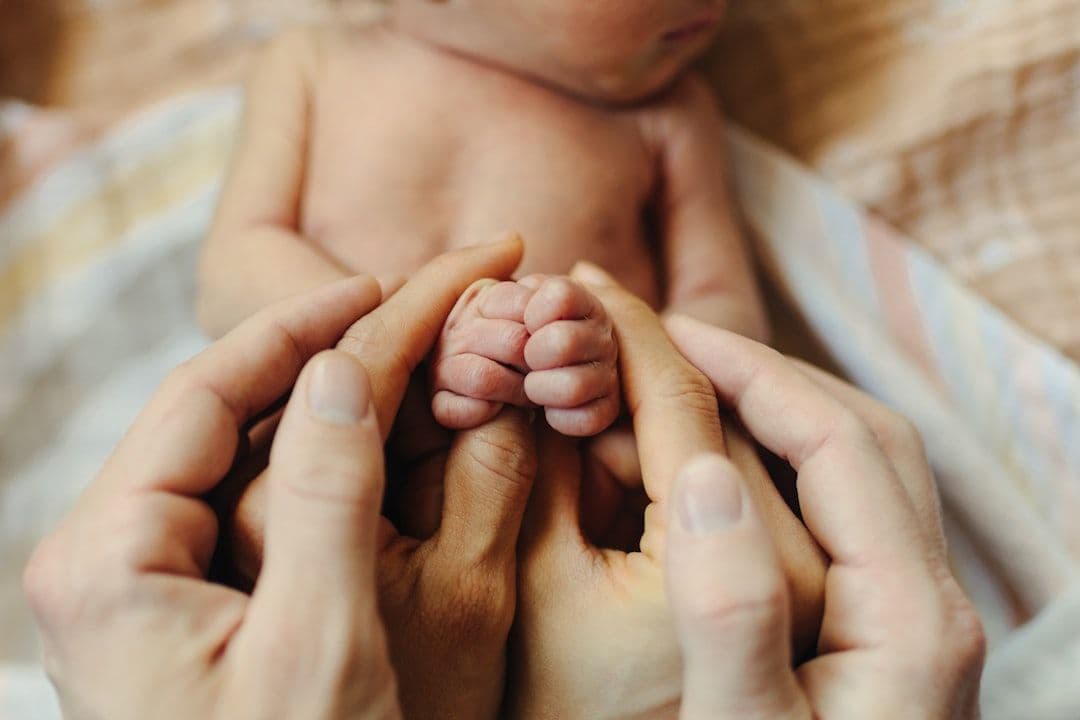
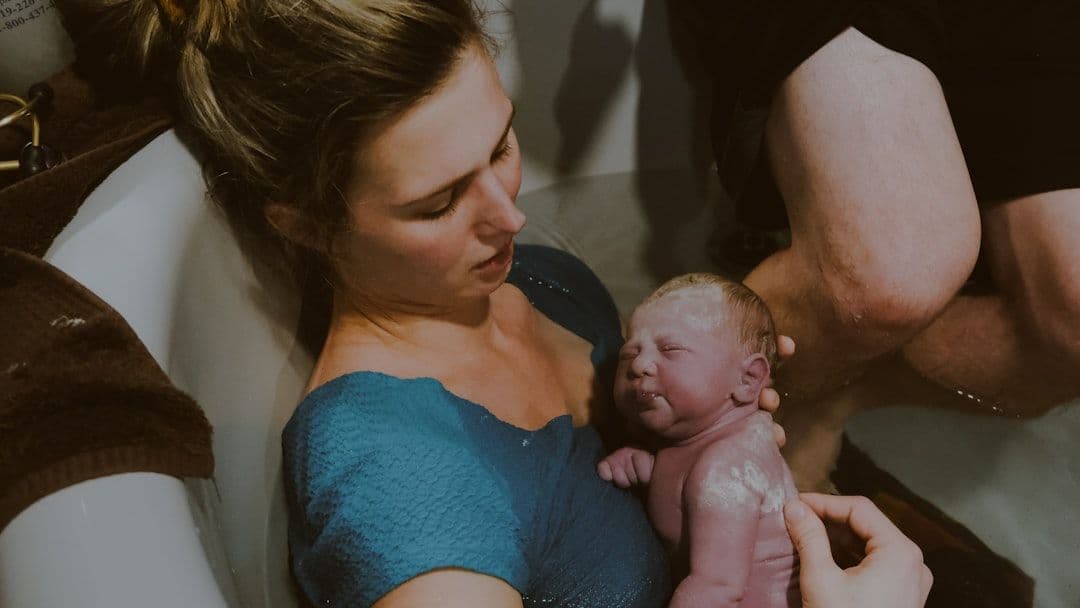
Immediately after birth, baby is placed skin-to-skin on your chest. The midwife will check baby's breathing and colour whilst you begin bonding. The placenta typically delivers within 30 minutes through gentle pushing. You might experience strong afterpains as your uterus contracts—these are normal and necessary for bleeding control.
Recovery and Follow-up Care
The first hours involve monitoring for excessive bleeding and ensuring your uterus contracts properly. If you've torn or required an episiotomy, stitching happens under local anaesthetic. Most women feel surprisingly energised immediately after birth due to adrenaline and endorphins.
Initial breastfeeding typically begins within the first hour. Your midwife will help with positioning and ensure baby latches correctly. Stay hydrated and eat nourishing foods to replenish energy stores depleted during labour.
Midwifery care continues for 10-28 days postpartum, depending on your location. Daily visits initially check healing, baby's weight gain, and your emotional wellbeing. Contact your midwife immediately if you experience heavy bleeding, signs of infection, or concerning mood changes. Most women report feeling proud and empowered by their natural birth experience, though processing intense sensations and emotions is completely normal.