Why Practitioners Choose This Modality
Ayurvedic practitioners choose to offer Panchakarma because they observe it as a potent framework for addressing root causes rather than isolated symptoms. Unlike symptom-focused treatments, Panchakarma aims to rebalance the whole system—clearing accumulated toxins, restoring digestive fire, and resettling the nervous system. Practitioners are drawn to its philosophical depth: the five therapeutic actions correspond to classical Ayurvedic theory and are customized based on each client's unique constitution. Many practitioners report that clients arrive with overlapping complaints—chronic inflammation, poor digestion, insomnia, and emotional turbulence—that seem interconnected. Panchakarma addresses these as expressions of systemic imbalance rather than separate problems. Additionally, practitioners value the intensive nature of the treatment. In our fast-paced world, Panchakarma creates a sanctuary for healing, removing external demands and allowing the body's natural restoration processes to activate. Practitioners also appreciate that the modality integrates multiple Ayurvedic tools—massage, herbal medicine, dietary guidance, and behavioral counseling—providing a comprehensive experience. Many practitioners have personally undergone Panchakarma and report profound shifts in their own health and clarity, which deepens their conviction in recommending it to clients.
What Clients Typically Experience
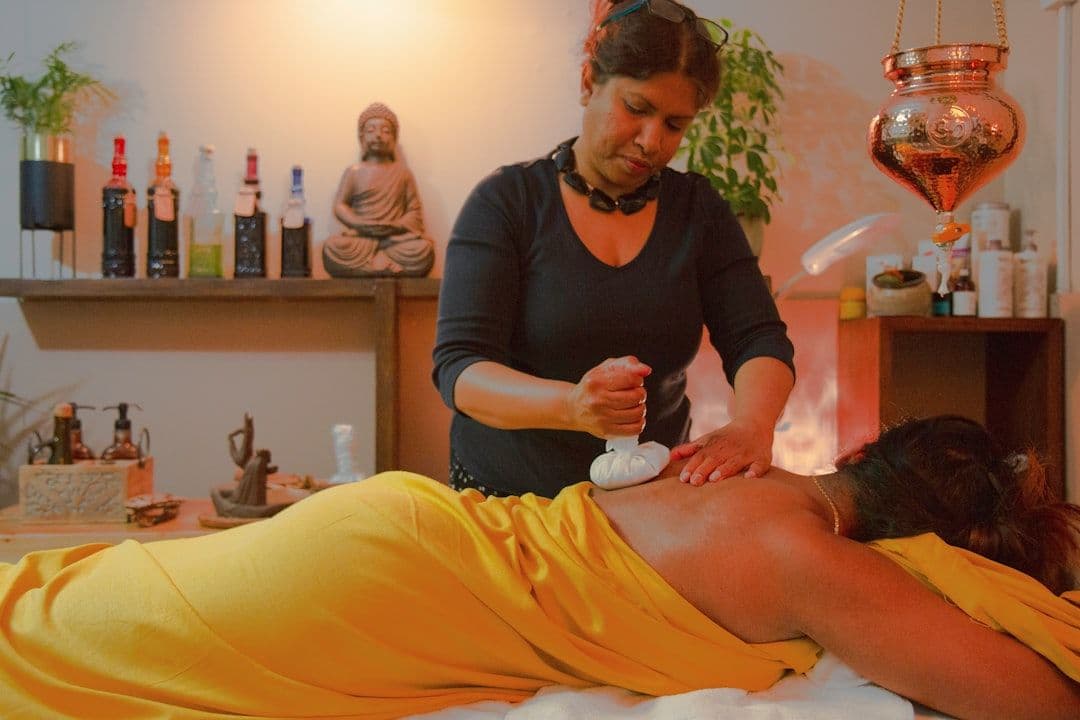
In my practice, clients often report a spectrum of experiences during and after Panchakarma. Early in treatment, many describe deep relaxation and improved sleep quality—sometimes sleeping longer and more deeply than they have in years. The warm herbal oil massages and guided rest naturally calm the nervous system, and clients frequently comment on reduced anxiety, clearer thinking, and a sense of spaciousness they hadn't expected. Digestive changes are common; some clients notice reduced bloating, improved bowel regularity, or shifts in food sensitivities. Joint pain and muscle tension often ease noticeably, particularly after oil-based therapies. Regarding skin, clients with inflammatory conditions like psoriasis or acne sometimes observe improvement in texture and reduced irritation, though results vary and may take weeks to fully manifest. Some clients report emotional releases—tears, vivid dreams, or surfacing of suppressed feelings—which they and their practitioners interpret as part of the detoxification process, though scientific evidence for emotional release as a mechanism is limited. Fatigue is not uncommon during the intensive treatment period; this is typically temporary and attributed to the body's healing work. Energy and vitality often increase 1–3 weeks post-treatment as the client integrates their new baseline. Importantly, individual responses differ significantly. Some clients experience rapid, dramatic shifts; others notice gradual improvements over weeks. Much depends on their baseline health, treatment duration, lifestyle adherence afterward, and constitutional factors.
Common Misconceptions
A frequent misunderstanding is that Panchakarma is purely detoxification in the sense of removing 'toxins' or poisons. While the term 'toxin' features in traditional Ayurvedic language, it refers to accumulated metabolic byproducts and imbalance rather than literal poisons. Modern detoxification claims sometimes overstate outcomes; Panchakarma is best understood as a rebalancing and rejuvenation practice rather than a cure for serious illness. Another misconception is that Panchakarma is a quick fix. Some clients expect one week of treatment to resolve years of chronic illness. In reality, Panchakarma initiates change, but sustained benefits depend on post-treatment diet, stress management, and lifestyle alignment with Ayurvedic principles. A third misunderstanding concerns the necessity of uncomfortable purging or extreme remedies. While traditional protocols include therapeutic enemas and purgatives, experienced practitioners tailor intensity to the individual. Gentle, modified approaches exist for those with sensitive constitutions or health vulnerabilities. Finally, some assume Panchakarma replaces conventional medical care. This is inaccurate; Panchakarma is a complementary therapy. Serious conditions—such as uncontrolled hypertension, significant heart disease, or active infections—require medical management. Panchakarma works alongside, not instead of, necessary conventional treatment.
Advice for First-Timers
If you are considering Panchakarma, start by finding a qualified, experienced Ayurvedic practitioner. This matters enormously; treatment quality, safety, and outcomes depend heavily on the practitioner's knowledge and attentiveness to your unique needs. During your initial consultation, be thorough and honest about your medical history, current medications, allergies, and any surgeries or health concerns. This information allows the practitioner to assess whether Panchakarma is appropriate for you and to customize the protocol. Prepare physically and mentally beforehand. Panchakarma is intensive; take time off work if possible and arrange childcare or domestic support, as you will be tired during treatment. Mentally prepare by setting a clear intention—what would you like to shift or heal?—and approach the experience with openness rather than rigid expectations. During treatment, surrender to the process. The guided rest and oil therapies are designed to activate your parasympathetic nervous system; resist the urge to multitask or stay mentally busy. Trust the protocol your practitioner has designed. After Panchakarma, the real work begins. Follow your practitioner's post-treatment guidelines closely: specific diet, herbal supplements, sleep schedule, and lifestyle practices extend and deepen the benefits. Many clients report that Panchakarma succeeds only if they commit to ongoing Ayurvedic living—regular sleep, warm cooked foods, stress reduction, and seasonal routines. Panchakarma opens the door; you must walk through it consistently. Finally, manage expectations compassionately. You may feel significantly better in weeks, or improvements may unfold gradually over months. Both timelines are normal and valid.
When to Seek Additional Support
Panchakarma is most effective as part of an integrated health approach. If you have a serious chronic condition—such as rheumatoid arthritis, inflammatory bowel disease, diabetes, cardiovascular disease, or a psychiatric disorder—consult your primary care physician before starting treatment. These conditions require ongoing medical monitoring, and your doctor should be aware of your Panchakarma plan. If you are pregnant or breastfeeding, do not undergo Panchakarma without explicit approval from your obstetrician and an Ayurvedic practitioner familiar with prenatal safety. If you take prescription medications, coordinate with both your prescribing doctor and your Ayurvedic practitioner to ensure no harmful interactions. If you experience severe side effects during or immediately after Panchakarma—such as uncontrolled vomiting, severe dehydration, chest pain, significant dizziness, or allergic reactions—seek immediate medical attention and inform the emergency team that you have undergone Ayurvedic treatment. If you feel worse after Panchakarma rather than better, or if improvements plateau or regress, revisit your practitioner and your primary care provider. Sometimes adjustment of the protocol is needed; sometimes additional medical investigation is warranted. Panchakarma works best when embedded in a broader wellness culture: adequate sleep, stress management, regular gentle movement, and a diet aligned with your constitution. If these foundational practices are absent, Panchakarma's benefits will be limited. Finally, recognize that results vary. Panchakarma is one tool among many; if it is not working for you after a fair trial, exploring other complementary or conventional approaches with your healthcare team is entirely reasonable and wise.