The Research Landscape
Panchakarma occupies a unique position in global health research: it is one of Ayurveda's most respected and widely practiced protocols, documented in classical texts spanning over two thousand years, yet it remains relatively understudied in modern clinical research. The body of published evidence exists primarily in three forms: traditional Ayurvedic literature describing the theory and practice; observational studies and case series from Ayurvedic colleges and clinics, particularly in India; and a growing—but still limited—number of clinical trials attempting to meet contemporary research standards.
Historically, research into Panchakarma was confined to Ayurvedic institutions and journals with limited international reach. In the last two decades, increased interest from Western integrative medicine practitioners and researchers has led to more publications in peer-reviewed English-language journals. However, the total number of rigorous clinical trials remains modest. Most studies are small, involve mixed herbal protocols alongside Panchakarma procedures, lack control groups, or have methodological limitations such as single-arm designs or short follow-up periods.
This evidence landscape reflects broader challenges in studying traditional, complex, multi-component interventions like Panchakarma. Each treatment is highly individualized based on constitutional type (dosha), making standardization difficult. Additionally, Panchakarma includes behavioral, dietary, and lifestyle modifications alongside physical procedures and herbal medicines, making it challenging to isolate which elements produce effects. Researchers also face practical and ethical constraints: conducting a placebo-controlled trial of intensive oil massage, enemas, and fasting is difficult, and blinding practitioners is nearly impossible.
Where Evidence Is Strongest
The strongest research interest converges on inflammatory and autoimmune conditions, particularly rheumatoid arthritis. A seminal study by Kulkarni and colleagues (1996) examined the effects of an integrated Ayurvedic treatment protocol including Panchakarma components on rheumatoid arthritis patients. The study reported reductions in inflammatory markers and disease activity scores in a small cohort, suggesting potential anti-inflammatory effects. While this study has limitations—notably its small sample size and lack of a control group—it remains one of the most frequently cited investigations into Panchakarma's effects and has spurred further interest from researchers exploring the relationship between Ayurvedic detoxification protocols and systemic inflammation.
A second area of relative interest is gastrointestinal health. Practitioners report using Panchakarma's basti (enema) procedures and dietary protocols to address inflammatory bowel patterns, irritable bowel syndrome symptoms, and digestive dysfunction. The rationale aligns with emerging understanding of the gut microbiome and intestinal permeability; Panchakarma aims to restore digestive function and microbial balance through cleansing and herbal support. However, clinical evidence for this application remains largely anecdotal. Small observational studies from Ayurvedic centers report symptom improvement, but rigorous trials comparing Panchakarma to standard care or placebo are absent.
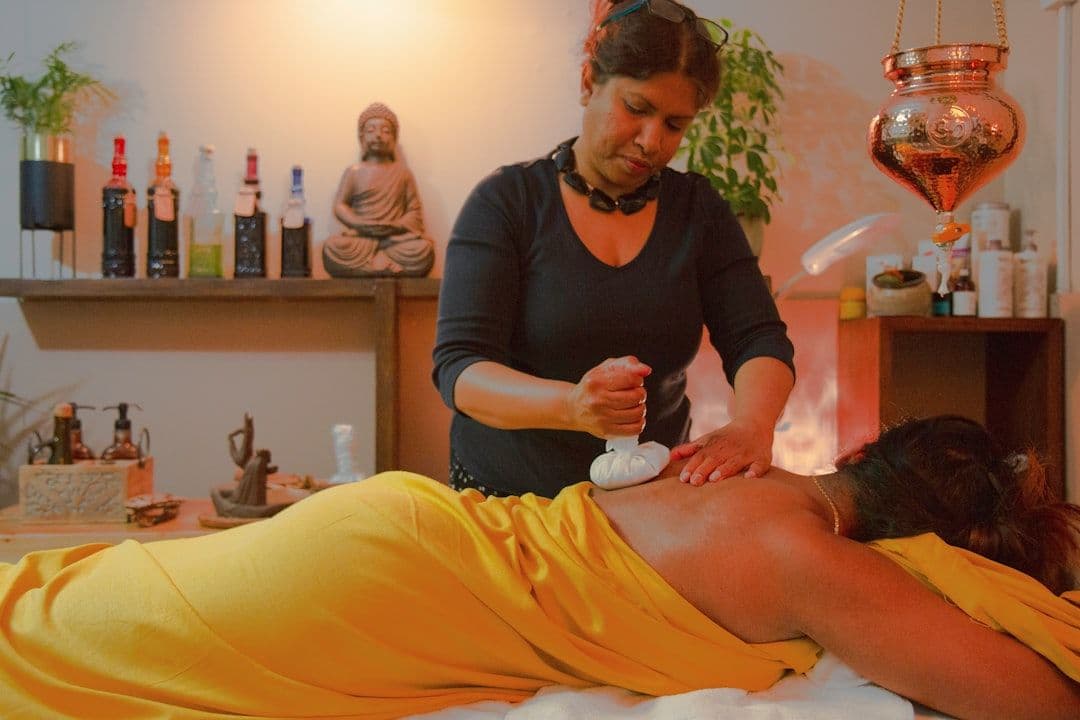
A third emerging area involves stress reduction and nervous system regulation. The oil massage component of Panchakarma (abhyanga) has received independent research attention showing relaxation and parasympathetic activation. While these effects are documented, research specifically examining Panchakarma's full protocol for anxiety or stress-related conditions is minimal. Symptoms like insomnia, hyperarousal, and generalized anxiety are reported to improve by practitioners, but controlled evidence is scarce.
Emerging Areas of Study
Several promising research directions are beginning to emerge. First, dermatological conditions including psoriasis and eczema are attracting attention from both Ayurvedic researchers and Western dermatologists interested in complementary approaches. The theory that Panchakarma's purification protocols and specialized oils may support skin healing is intuitively appealing, and preliminary case reports exist. However, these conditions require careful medical diagnosis and monitoring, as they can indicate systemic disease. No large trials have yet compared Panchakarma to standard dermatological care.
Second, researchers are investigating the biological mechanisms underlying Panchakarma's effects. For example, some studies examine changes in inflammatory markers, oxidative stress parameters, and immune function following treatment. These mechanistic studies are valuable for understanding whether observed clinical effects have a biological basis or reflect placebo, lifestyle changes, or stress reduction. However, this research remains limited in scope and sample size.
Third, obesity and metabolic health represent an emerging but understudied application. Panchakarma's approach to metabolic rebalancing and weight management aligns with growing interest in personalized medicine and constitutional approaches to health. Preliminary observations suggest practitioners report weight loss and metabolic improvements, but rigorous trials comparing Panchakarma to evidence-based weight management interventions do not yet exist.
Finally, integration studies exploring Panchakarma alongside conventional medical care are beginning. These investigations recognize that seekers often use Panchakarma complementarily and seek to understand safety, interaction risks, and combined efficacy. This pragmatic research approach is valuable but remains in its infancy.
Limitations and Gaps in the Research
Critical gaps limit definitive conclusions about Panchakarma's efficacy. First, the evidence base lacks large-scale randomized controlled trials. Most published studies involve fewer than 100 participants, many have no control group, and few employ rigorous outcome measures or long-term follow-up. This methodological limitation means that causal claims about Panchakarma's effects cannot be made with confidence; observed improvements could reflect placebo effect, natural disease course, concurrent lifestyle changes, or the intensive attention and rest inherent to the protocol.
Second, most research has been conducted in India within Ayurvedic institutions, introducing potential bias toward positive findings and limiting generalizability to different populations, healthcare systems, and practice contexts. Studies published in English-language journals are more accessible but still represent a small fraction of Panchakarma research globally.
Third, heterogeneity in protocols and outcome measures complicates synthesis. Because Panchakarma is individualized, two practitioners may conduct substantially different treatments for the same condition. Published studies use varying combinations of procedures, herbs, and dietary approaches, making meta-analysis and comparison difficult. Additionally, outcome measures range from standardized clinical scales to subjective practitioner assessments, limiting comparability.
Fourth, research into Panchakarma's safety profile is sparse. While complications are reported anecdotally (dehydration, electrolyte imbalance, symptom exacerbation during treatment), systematic safety data is limited. This is particularly important given that Panchakarma involves invasive procedures and intensive fasting, which carry inherent risks, especially in vulnerable populations.
Finally, long-term outcomes are poorly characterized. Most studies report effects immediately or shortly after treatment completion. Whether benefits persist, how durable effects are, and whether repeated Panchakarma cycles are necessary remain unclear. This limits practical guidance for seekers considering sustained engagement with the modality.
What This Means for You
If you are considering Panchakarma, understanding the evidence landscape informs realistic expectations. Panchakarma is a deeply traditional practice with thousands of years of documented use in Ayurvedic medicine and is practiced widely and seriously by qualified practitioners worldwide. This history and prevalence suggest value within its cultural and medical context. However, the evidence from modern clinical research does not yet definitively prove efficacy for specific conditions. Most claims rest on traditional use documentation, practitioner experience, and small observational studies rather than gold-standard randomized controlled trials.
This does not mean Panchakarma is ineffective; it means evidence remains preliminary and emerging. For conditions where you are already receiving conventional medical care—such as rheumatoid arthritis, inflammatory bowel disease, anxiety disorders, or dermatological conditions—Panchakarma may be explored as a complementary practice alongside, not as a replacement for, medical treatment. Any integration of Panchakarma with conventional care requires communication with both your healthcare provider and your Panchakarma practitioner to ensure safety and avoid interactions or contraindications.
For individuals interested in Panchakarma primarily for seasonal cleansing, constitutional rebalancing, or general wellness, the risks may be more acceptable, though even here, prior medical clearance is prudent, especially if you have any chronic health conditions, take medications, are pregnant, or have a history of eating disorders.
Choosing a qualified, experienced practitioner is essential. Seek practitioners with formal Ayurvedic credentials, demonstrable knowledge of safety protocols, and willingness to coordinate with your primary healthcare provider. Reputable practitioners will screen thoroughly for contraindications and decline to treat if risks outweigh benefits.
Ultimately, Panchakarma represents a valuable traditional modality deserving of serious research and respect. As evidence accumulates through well-designed clinical trials, our understanding of its true effects and appropriate applications will mature. In the interim, informed seekers can engage with Panchakarma thoughtfully as one element of a broader, medically supervised approach to health and wellness.