Before the Session: What to Expect
The hours leading up to physical therapy often bring a mix of anticipation and quiet uncertainty, especially if you are new to the practice. If you are coming in with pain or limited mobility, there may be a baseline awareness of your body—perhaps a stiffness in your lower back when you bend, or a tightness in your shoulder when you reach. Some people feel a sense of hope, having researched what therapy might offer. Others arrive with caution, unsure whether movement will help or hurt.
Before you arrive, wear comfortable, loose-fitting clothing that allows your therapist to see and access the areas being treated. Avoid eating a large meal just before your session, as you may be moving your body in varied positions. If possible, jot down a few notes about your symptoms, how they started, and what makes them better or worse. This context helps your therapist design your session. Try to arrive a few minutes early to allow yourself to settle, mentally shift gears, and complete any intake paperwork. Taking a breath or two in the waiting room can ease any nervousness—remember that your therapist is there to support your body's movement and recovery, working at a pace that feels manageable for you.
Arriving and Setting the Scene
Stepping into a physical therapy clinic often feels different from a medical office. Rather than the sterile, quiet waiting room typical of a doctor's office, you may hear the gentle hum of equipment, soft conversation, and the subtle sounds of movement. The space is usually warm and inviting, with exercise equipment visible—foam rollers, resistance bands, stability balls, treatment tables—arranged throughout. There may be windows letting in natural light, or calming background music playing softly.
Your therapist greets you warmly and leads you to a private or semi-private treatment area. The first appointment is longer than subsequent sessions, often 45 minutes to an hour, because your therapist needs to understand your full story. They will ask detailed questions: When did the pain or limitation start? Did an injury cause it, or did it develop gradually? How does it affect your daily life—walking, sleeping, work? Have you had imaging or surgery? What are your goals? This conversation helps you feel heard and gives your therapist the information needed to tailor their approach. As they ask questions, they observe how you move, sit, and stand, noting patterns you yourself may not have consciously registered. You might be directed to perform simple movements—bending forward, rotating your neck, lifting your leg—so your therapist can assess your current range of motion, strength, and pain patterns. This assessment is thorough and collaborative; your feedback guides their understanding.
During the Session
The physical experience of therapy is often a revelation. Your therapist may begin with manual therapy—hands-on techniques where they use their skilled hands to mobilize joints, release muscle tension, or improve tissue mobility. As their hands work an area of stiffness or tension, you may feel a gradual softening, a sense of the tissue giving way slightly, a reduction in discomfort. There is something grounding about another person's skilled, purposeful touch directed at supporting your healing. The sensation might be similar to a deeper massage, but more specific and therapeutic in intent.
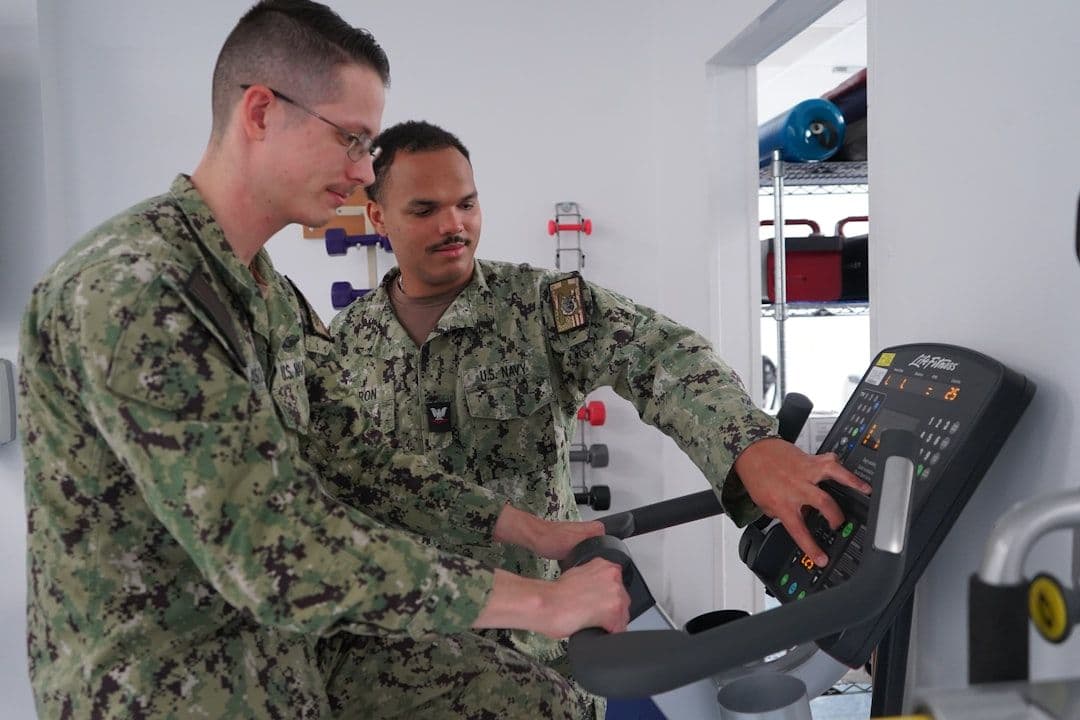
Next, your therapist often guides you through targeted exercises. These are not random stretches, but carefully chosen movements designed to strengthen weak muscles, improve mobility, or retrain how your body moves. You might use resistance bands, light weights, or simply your own body weight. Your therapist watches closely, cueing you on proper form—"keep your core engaged," "don't let your knee cave inward," "breathe through this"—ensuring you move safely and effectively. The exercises may feel challenging but achievable, and your therapist adjusts the difficulty based on your feedback. Throughout, they explain the purpose: strengthening your core to support your lower back, improving your balance to reduce fall risk, or retraining your gait after a stroke. This education helps you understand how each movement contributes to your recovery. You may feel muscles activate that have been underused, a pleasant fatigue in muscles that supported your work. The session closes with gentle stretching or breathing cues, bringing your body back to a calm, grounded state.
How You May Feel Afterwards
In the moments immediately after a physical therapy session, many people feel a notable sense of ease. If you arrived with tightness or stiffness, you may notice greater freedom in movement—bending easier, your shoulder lifting higher, your gait smoother. There is often a pleasant fatigue, not exhaustion, but the satisfying tiredness of having used your muscles purposefully. Some people feel emotionally lighter too, having spent time focused on their body's healing with expert support.
Over the first day or two, mild soreness is common and normal, especially if you are new to the exercises or have been relatively inactive. This soreness—similar to the feeling after starting a new exercise routine—typically subsides within 24 to 48 hours and is a sign that your muscles engaged and are adapting. However, sharp or severe pain is not normal and should be reported to your therapist.
Over the following days and weeks, as you perform your home exercises and return for additional sessions, changes accumulate gradually. Pain that was constant may decrease in frequency or intensity. Movements that felt restricted begin to feel easier. You may notice functional improvements: bending to pick something up without hesitation, sleeping more comfortably, climbing stairs without wincing. These incremental gains, though they may seem small week to week, compound into meaningful recovery. Your therapist regularly reassesses your progress, adjusts your exercise program, and celebrates milestones with you. Many people describe a growing sense of agency—a realization that consistent, targeted movement and professional guidance genuinely support their body's healing and strength.
Is It Right for You?
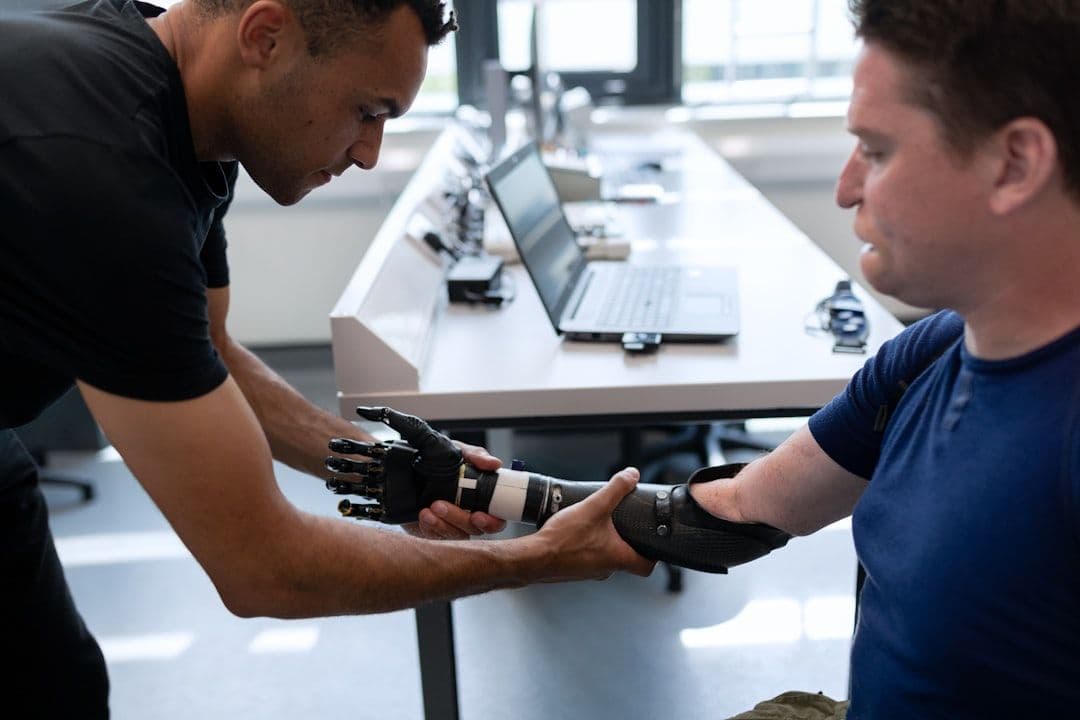
Physical therapy is used to support recovery and function across a wide range of situations: after surgery or injury, for chronic pain conditions, following stroke or neurological events, and to prevent or slow functional decline. If you have persistent pain, limited mobility, weakness, or movement dysfunction affecting your daily life, physical therapy may be worth exploring. It is particularly valuable when combined with medical care—not as a replacement, but as a complementary approach that engages your active participation in healing.
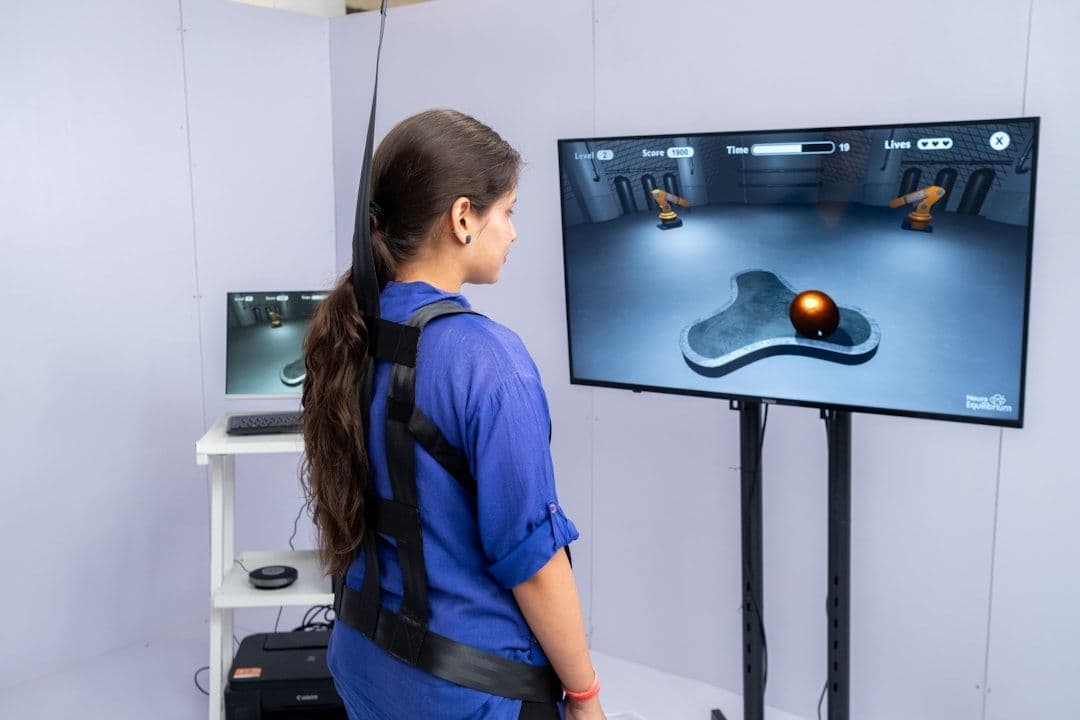
Consider physical therapy if you have experienced a recent injury, surgery, or acute event and want to optimize your recovery. It may also support you if you live with chronic conditions like arthritis or back pain and want to improve strength and function. If you have balance concerns or fall risk, therapy can be transformative. People recovering from stroke or managing neurological conditions often benefit significantly from structured, skilled rehabilitation.
However, if you have acute, severe pain or unstable medical symptoms, consult your doctor before beginning physical therapy to ensure it is safe and appropriate. Your therapist and doctor should communicate and coordinate your care. Physical therapy requires your active participation—performing home exercises, attending sessions consistently, and being open to gradual change—so motivation and realistic expectations support better outcomes. If you value hands-on, movement-based approaches and want to understand your body better through expert guidance, physical therapy aligns well with those preferences. Ultimately, quality physical therapy offers a partnership between a skilled professional and your own commitment to moving better, healing well, and reclaiming the activities that matter to you.