What Is Physical Therapy?
Physical therapy, also called physiotherapy, is a healthcare profession focused on helping people move better, reduce pain, restore function, and improve quality of life through exercise, manual therapy, and specialized movement training. Physical therapists are trained healthcare professionals who assess movement limitations and design individualized treatment plans tailored to each person's needs, goals, and medical history.
Physical therapy is used alongside conventional medical care to support recovery from injury, manage chronic conditions, prevent disability, and optimize physical performance. Rather than relying solely on medication or surgery, physical therapy addresses the underlying movement patterns, muscle strength, and functional limitations that contribute to pain and reduced mobility. It can be used at any stage of recovery—from acute injury through long-term management of chronic conditions.
The profession is grounded in evidence-based practice, meaning treatment approaches are supported by scientific research. Physical therapists work collaboratively with doctors, surgeons, and other healthcare providers to ensure therapy complements your overall treatment plan and medical management.
How Does It Work?
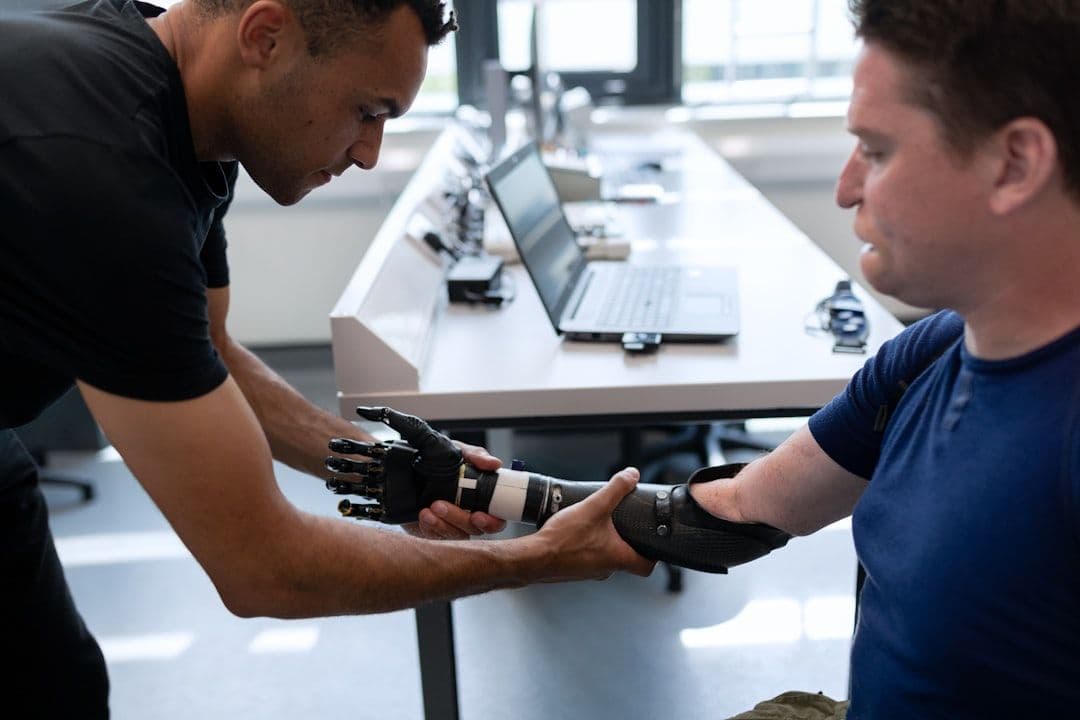
Physical therapy works by systematically addressing the physical limitations that cause pain, reduce mobility, or impair function. The approach typically involves several key mechanisms. First, targeted exercise strengthens weak muscles, improves flexibility, and enhances cardiovascular fitness, which reduces stress on joints and injured tissues. Second, manual therapy techniques such as joint mobilization, soft tissue massage, and stretching help reduce muscle tension, improve circulation, and restore normal movement patterns. Third, movement retraining teaches the nervous system better ways to move and perform daily activities, which is especially important after stroke or neurological injury.
A core principle of physical therapy is that structured, progressive movement promotes healing and adaptation. When tissues are stressed appropriately through exercise, they become stronger and more resilient. Additionally, physical therapists educate patients about posture, body mechanics, and activity modification to prevent re-injury and support long-term recovery. The therapist acts as both a clinician and a coach, guiding you through sessions while empowering you to take an active role in your own healing. Success depends on both skilled professional intervention and your commitment to practicing prescribed exercises at home.
What Does a Session Involve?
A typical physical therapy session lasts 30 to 60 minutes and follows a structured format. The session may begin with a brief reassessment of your current symptoms and progress toward goals. The therapist might then perform manual therapy, which can include gentle joint mobilization, soft tissue massage, or stretching to reduce pain and improve mobility. This hands-on component prepares your tissues and nervous system for exercise.
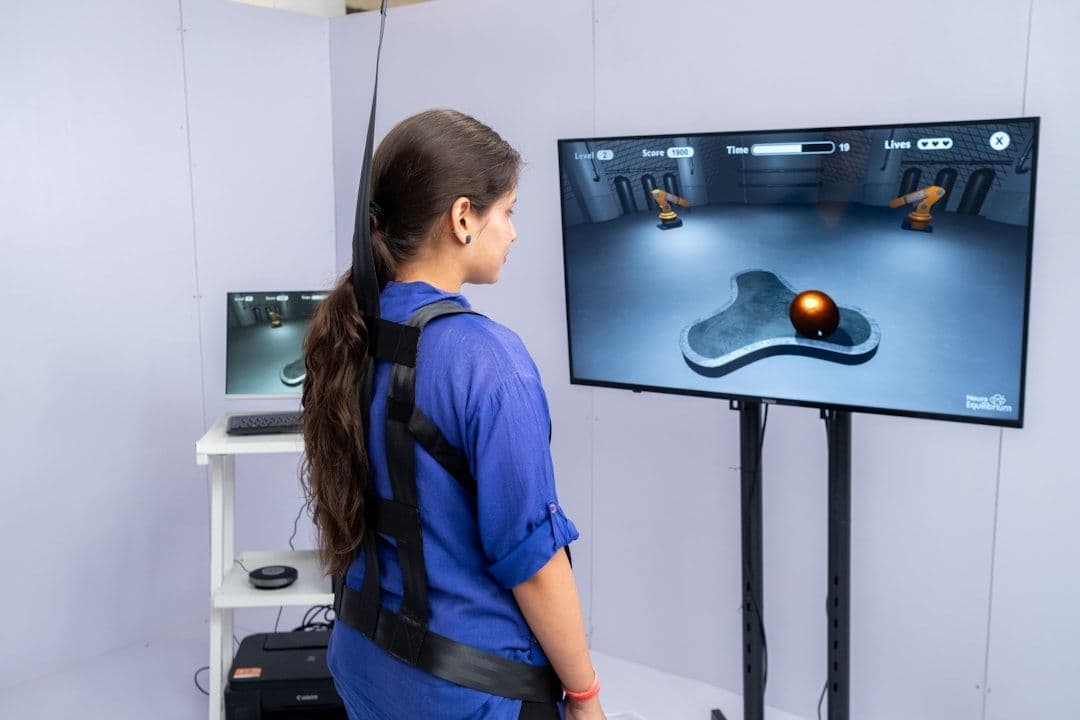
The bulk of the session usually focuses on therapeutic exercise. The therapist demonstrates exercises tailored to your condition and functional goals, such as core strengthening for back pain, balance training for fall prevention, or gait training after stroke. You perform these exercises under the therapist's supervision, who provides feedback on technique, adjusts difficulty as you progress, and ensures you are performing movements correctly and safely. Exercises may use bodyweight, resistance bands, weights, or specialized equipment depending on your needs.
Toward the end of the session, your therapist reviews a home exercise program—specific exercises you commit to performing between sessions, usually 3 to 7 days per week. Consistency with home exercises is critical to achieving results; therapy twice weekly is less effective if you do not practice at home. Your therapist may also provide education on pain management strategies, activity modification, ergonomics, or lifestyle factors that support recovery. Each session is documented, and progress is tracked regularly to ensure the treatment plan remains appropriate.
Who May Benefit?
Physical therapy can be beneficial for a wide range of people and conditions. Those recovering from surgery or acute injuries such as sprains, fractures, or torn ligaments often benefit significantly from structured rehabilitation that restores strength, mobility, and confidence in movement. People with chronic pain conditions such as lower back pain, neck pain, or osteoarthritis may use physical therapy to manage symptoms, reduce medication dependence, and maintain functional independence without relying solely on pain medication.
Individuals recovering from neurological events such as stroke, Parkinson's disease, or other conditions affecting movement can benefit from specialized gait training, balance work, and motor retraining that physical therapists provide. Older adults experiencing age-related mobility loss, balance difficulties, or fall risk can use physical therapy to maintain strength, improve stability, and preserve independence. Athletes or highly active individuals may seek physical therapy for injury prevention, performance optimization, or rehabilitation after sports-related injuries. Additionally, people with pelvic floor dysfunction such as urinary incontinence can benefit from specialized pelvic floor muscle training delivered by trained physical therapists.
Anyone experiencing pain, restricted movement, weakness, or functional limitations should consult their doctor or a physical therapist to determine whether therapy is appropriate. Physical therapy is most effective when started early and when you are motivated to engage actively in your recovery.
What Does the Evidence Say?
Research provides strong evidence for physical therapy across multiple conditions and outcomes. For chronic lower back pain, numerous studies and systematic reviews demonstrate that structured exercise programs and manual therapy reduce pain, improve function, and may reduce the need for pain medication. Physical therapy is often recommended as a first-line treatment before considering more invasive interventions.
For post-stroke recovery, strong evidence shows that intensive, well-structured physical therapy including gait training and movement retraining significantly improves walking ability, balance, and independence in daily activities. Earlier intervention and longer duration of therapy generally yield better neurological recovery. In osteoarthritis, research consistently shows that regular low-impact exercise prescribed by physical therapists maintains joint mobility, reduces pain, and slows functional decline, making it a cornerstone of long-term management.
For Parkinson's disease, evidence supports physical therapy for improving balance, gait quality, flexibility, and step length, which directly reduces fall risk—a major concern in this population. In whiplash injury, early gentle mobilization and progressive strengthening produce better outcomes and faster recovery than immobilization. For urinary incontinence, pelvic floor muscle training has among the strongest evidence bases of any non-surgical treatment, with high success rates when performed correctly and consistently.
Across all these conditions, evidence is strongest when therapy is tailored to individual needs, delivered by trained professionals, and combined with patient adherence to home exercise programs. Results develop progressively rather than immediately, with most people noticing meaningful improvements within 4 to 12 weeks of consistent practice.
Safety and Considerations
Physical therapy is generally safe and well-tolerated when delivered by qualified, licensed practitioners. However, certain precautions are important. People with acute, severe pain, unstable medical conditions, recent fractures, or undiagnosed symptoms should consult their doctor before beginning physical therapy to ensure it is safe and appropriate. Those with cardiovascular conditions, uncontrolled high blood pressure, or recent heart surgery require medical clearance before therapy begins.
Inform your physical therapist about all medications, past surgeries, injections, or medical conditions, as these influence what exercises and techniques are appropriate for you. Some conditions such as severe osteoporosis, blood clots, or active infections require modified or cautious approaches. Pregnant individuals should inform their therapist so exercises can be adapted appropriately.
Mild discomfort during stretching or the day after starting new exercises is normal, but sharp pain is not. Always communicate with your therapist if an exercise causes unexpected or severe pain. They can modify the approach immediately. Do not stop prescribed medications or medical treatment because of physical therapy; instead, continue all prescribed care and allow your doctor and physical therapist to coordinate your overall management.
If your symptoms worsen or do not improve after 4 to 6 weeks of consistent therapy, discuss this with both your therapist and doctor, as your treatment plan may need adjustment or further medical evaluation may be warranted. Physical therapy is intended to complement and support medical care, not replace it.
How to Find a Qualified Practitioner
Finding a qualified physical therapist begins with understanding licensing requirements in your country or region. In most developed countries, physical therapists hold a professional degree (such as a Doctor of Physical Therapy or Master's degree), are licensed or registered with a national or regional board, and maintain continuing education. Ask potential practitioners about their credentials, licensure status, and areas of specialization.
Your doctor or surgeon can provide referrals to physical therapists they trust and have worked with successfully. Many insurance plans maintain lists of in-network providers. Professional organizations such as the American Physical Therapy Association, British Association of Physical Medicine, or equivalent bodies in your country maintain directories of qualified practitioners. When researching options, look for therapists who have experience treating your specific condition or injury.
Before committing to therapy, consider scheduling an initial consultation or phone call to discuss your condition, goals, and whether the therapist feels equipped to help. Pay attention to whether the therapist listens carefully, explains their approach clearly, and respects your concerns. A good therapeutic relationship and clear communication about progress and goals enhance outcomes. If possible, seek recommendations from friends, family, or online reviews, though always verify credentials independently.
Consider practical factors such as location, appointment availability, session costs, and insurance coverage. Some practitioners offer telehealth sessions for initial assessments or certain types of therapy, which may provide flexibility. If you are not progressing after 4 to 6 weeks, discuss this with your therapist; sometimes a change in approach or practitioner is beneficial. Ultimately, finding a qualified, communicative, experienced physical therapist who understands your goals is key to successful rehabilitation and symptom management.