The Quiet Power of Spoken Hope
In a London hospital chapel, a woman sits quietly with clasped hands, her lips moving almost imperceptibly. Down the corridor, a young father whispers gratitude for his newborn's first breath. Across the city, an elderly man recites familiar words from his childhood, finding rhythm and comfort in their cadence. Prayer, in its countless forms, represents perhaps humanity's oldest attempt to reach beyond the immediate—to connect with something greater than ourselves when we most need it.
Prayer transcends the boundaries of formal religion. Some direct their words to a specific deity within established traditions. Others speak to the universe, to departed loved ones, or to an unnamed source of wisdom they sense but cannot define. The practice remains remarkably consistent across cultures: a deliberate pause, an inward turn, and the articulation—whether silent or voiced—of our deepest hopes, fears, and gratitude.
From Ancient Temples to Modern Minds
Archaeological evidence of prayer dates back to our earliest civilisations. Sumerian tablets from 3000 BCE contain written prayers, whilst cave paintings suggest even older traditions of spiritual communication. Every major world religion has developed sophisticated prayer practices: the five daily prayers of Islam, Christian contemplative traditions, Jewish davening, Hindu mantras, and Buddhist invocations each reflect centuries of refinement.
What makes prayer universal is not doctrine but human need—the impulse to voice what lies beyond ordinary conversation. Indigenous traditions worldwide have maintained prayer practices that predate organised religion, often integrated with nature-based spirituality and community healing. These diverse approaches share common elements: focused attention, intentional communication, and the creation of sacred time within ordinary life.
Modern secular society has not diminished prayer's prevalence. Surveys consistently show that even many non-religious individuals pray during times of crisis or uncertainty, suggesting the practice fulfils something fundamental in human psychology rather than merely religious obligation.
The Neuroscience of Sacred Conversation
Within traditional frameworks, prayer functions as direct communication with the divine—a conversation that transcends ordinary human interaction. Practitioners describe feeling heard, comforted, or guided through prayer, often experiencing what they interpret as responses through intuition, circumstances, or inner peace. Different prayer forms serve distinct spiritual purposes: petitionary prayer requests help or intervention, contemplative prayer seeks union or understanding, whilst intercessory prayer directs concern toward others.
Neuroimaging reveals measurable changes in brain activity during prayer. Focused attention during prayer activates the prefrontal cortex, whilst the emotional regulation centres in the limbic system show increased connectivity. Perhaps most intriguingly, brain regions associated with social cognition light up during prayer—the same areas active when we feel understood by another person. This suggests prayer engages our neural circuitry for relationship and connection, even when directed toward an unseen presence.
Regular prayer practice appears to strengthen neural pathways associated with emotional resilience. Practitioners often report improved ability to cope with stress and uncertainty, which neurological evidence supports. The rhythmic breathing and focused attention inherent in many prayer forms activate the parasympathetic nervous system, naturally reducing cortisol levels and promoting calm.
Who Finds Comfort in Sacred Words
Prayer offers particular value to those facing uncertainty or loss. Hospital chaplains report that even typically non-religious patients often request prayer during serious illness, suggesting the practice serves fundamental psychological needs during vulnerability. People navigating grief frequently turn to prayer as a way to maintain connection with deceased loved ones or to process overwhelming emotions within a meaningful framework.
Those with chronic stress or anxiety often discover prayer provides a reliable refuge—a practiced way of stepping outside racing thoughts and finding perspective. Unlike meditation, which requires learning new techniques, prayer builds on familiar concepts of conversation and relationship. This accessibility makes it particularly valuable for people who struggle with formal mindfulness practices but need stress management tools.
Individuals exploring spirituality outside traditional religious structures increasingly adapt prayer to personal beliefs. Some address universal consciousness, whilst others frame prayer as intention-setting or gratitude practice. The flexibility of prayer allows people to engage with transcendence in ways that align with their worldview whilst accessing the psychological benefits associated with the practice.
The Rhythm of Sacred Practice
Prayer takes countless forms, from elaborate liturgical services to moments of silent reflection. Traditional prayer often follows established patterns—the Lord's Prayer in Christianity, the Shema in Judaism, or the structured movements of Islamic salah. These familiar words and gestures create what practitioners describe as sacred time, distinct from ordinary consciousness.
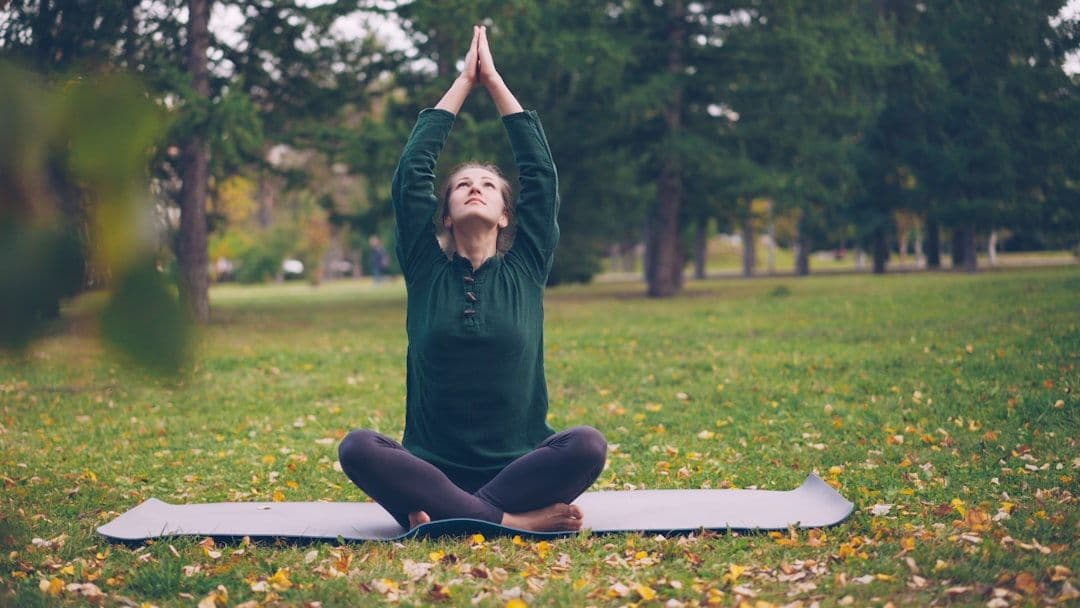
Personal prayer tends to be more spontaneous, arising from immediate needs or gratitude. Many people develop their own patterns: morning prayers of intention, bedtime prayers of gratitude, or crisis prayers when faced with difficulty. The physical posture varies widely—some kneel, others sit quietly, many pray whilst walking or during daily activities.
Group prayer adds the dimension of shared intention and community support. Whether in formal worship settings or informal gatherings, collective prayer often intensifies the experience for participants. The rhythmic responses of liturgical prayer or the supportive presence of others during personal sharing creates what many describe as palpable energy or connection.
The duration varies enormously. Some traditions prescribe specific timeframes, whilst personal practice might range from brief moments of gratitude to extended periods of contemplative prayer. What matters more than duration is the quality of attention and the sincerity of engagement.
Practical Pathways to Prayer
Prayer requires no formal training or certification, making it one of the most accessible spiritual practices. However, learning from experienced practitioners can deepen understanding and effectiveness. Many find value in exploring prayer within established religious communities, where centuries of wisdom inform practice and provide supportive fellowship.
Spiritual directors—trained guides found in many Christian traditions—offer individual support for developing prayer life. These sessions typically cost £30-50 and focus on discerning personal prayer styles and overcoming common obstacles. Buddhist meditation centres often teach prayer-like practices such as loving-kindness meditation, whilst Islamic centres offer guidance on traditional prayer forms.
For those preferring self-directed exploration, numerous books and online resources provide prayer frameworks from various traditions. Starting simply—with brief moments of gratitude or requests for guidance—allows natural development of personal prayer style. Many begin by adapting familiar prayers from childhood or cultural background, then gradually developing more personal approaches.
The beauty of prayer lies in its adaptability. Whether whispered in crisis, sung in celebration, or pondered in quiet reflection, prayer meets practitioners where they are, offering a timeless bridge between human longing and the mystery that surrounds us all.