Before You Begin
Prayer requires minimal physical preparation, though creating the right internal space matters more than external arrangements. Choose comfortable, modest clothing that won't distract you—many people prefer loose, non-restrictive garments that allow easy movement if you plan to kneel, prostrate, or gesture during prayer.
Consider your setting carefully. Some prefer a dedicated space with religious symbols, candles, or meaningful objects, whilst others find peace in nature or even quiet corners of busy places. The location matters less than your ability to focus. Silence your phone and minimise interruptions.
Avoid heavy meals, alcohol, or stimulating substances beforehand if possible. Many traditions suggest approaching prayer with a clear mind and body. That said, prayer can be particularly meaningful during difficult moments—physical discomfort or emotional turbulence needn't prevent you from praying.
The Prayer Experience Itself
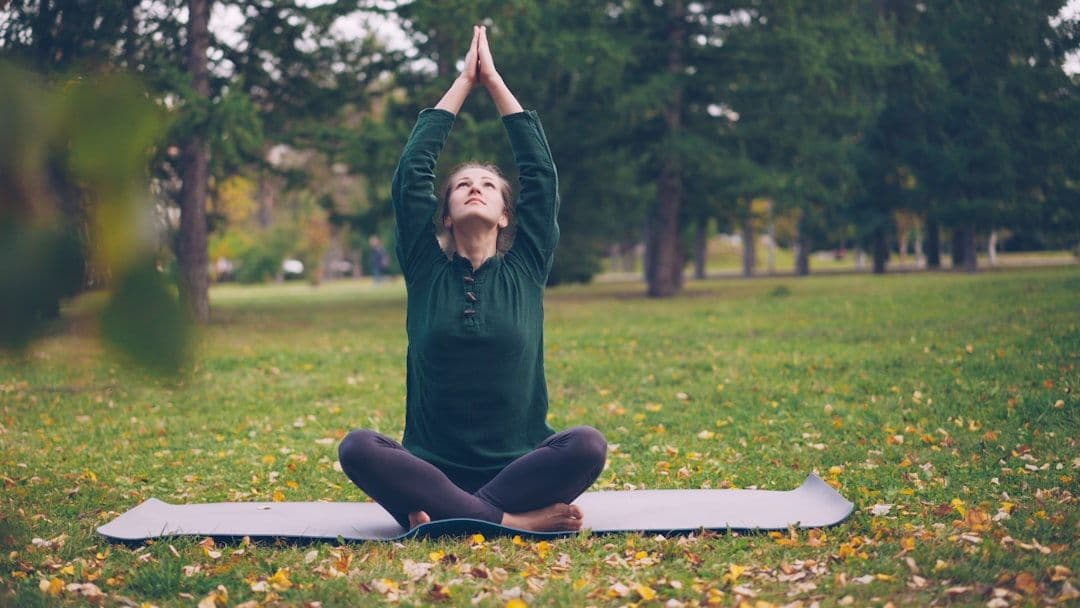
Prayer sessions vary enormously depending on tradition, personal style, and circumstance. A typical personal prayer session might begin with settling into your chosen position—sitting, standing, kneeling, or lying down. Take several conscious breaths to centre yourself and transition from everyday consciousness to spiritual focus.
You might begin with gratitude, acknowledging positive aspects of your life or simply expressing appreciation for the opportunity to pray. This opening phase often lasts two to five minutes and helps establish connection with the divine or transcendent.
The central portion involves your primary communication—whether requesting guidance, expressing concerns, confessing struggles, or simply resting in divine presence. This might be verbal, silent, or alternate between both. Some people follow structured prayers from their tradition, others speak spontaneously, and many combine both approaches. This core phase typically lasts five to thirty minutes, though it can extend much longer.
Conclude with gratitude, formal closing words from your tradition, or simply a moment of silence. Many people end with 'amen,' 'so be it,' or similar affirmations that mark the prayer's completion.
What You Might Experience
During prayer, you may notice physical sensations ranging from deep relaxation to tingling, warmth, or a sense of lightness. Some people experience emotional releases—tears, laughter, or waves of peace. Others report heightened awareness, clarity of thought, or a sense of presence beyond themselves.
Not everyone experiences dramatic sensations. Many find prayer quietly centring, like gentle mental decluttering rather than mystical experience. Some sessions feel deeply meaningful whilst others feel routine or even challenging—this variation is completely normal.
After prayer, people commonly report feeling calmer, more grounded, or emotionally lighter. You might gain new perspectives on problems or feel renewed motivation. Conversely, some sessions leave you feeling unchanged or even unsettled, particularly if you've been wrestling with difficult questions or emotions during prayer.
After Your Session
Following prayer, many people benefit from a few minutes of quiet reflection rather than immediately returning to demanding activities. Consider journaling about any insights, feelings, or experiences that arose. This helps integrate whatever occurred during your prayer time.
Avoid rushing into intense conversations or stressful situations immediately after prayer if possible. The peaceful state cultivated during prayer can be quite delicate, and preserving it for even fifteen to thirty minutes afterwards often enhances its lasting effects.
Some people experience what they interpret as answered prayers over subsequent days or weeks—synchronicities, unexpected opportunities, or gradual shifts in perspective. Others find the primary benefit is the regular practice itself rather than specific outcomes. Both approaches are equally valid within most spiritual traditions.
Building a Practice
Most spiritual traditions emphasise consistency over duration. Daily five-minute prayers often prove more transformative than weekly hour-long sessions. Begin with whatever feels sustainable—even two to three minutes daily—and allow your practice to develop naturally.
Many people find morning prayer sets a peaceful tone for the day, whilst evening prayer provides closure and reflection. Others prefer praying at moments of need or challenge. Experiment to discover what serves you best.
Expect your prayer practice to evolve. Periods of deep connection may alternate with times when prayer feels difficult or empty. Most traditions recognise these fluctuations as normal aspects of spiritual development rather than signs of failure. The willingness to continue praying through varying experiences often proves more valuable than the emotional intensity of any individual session.