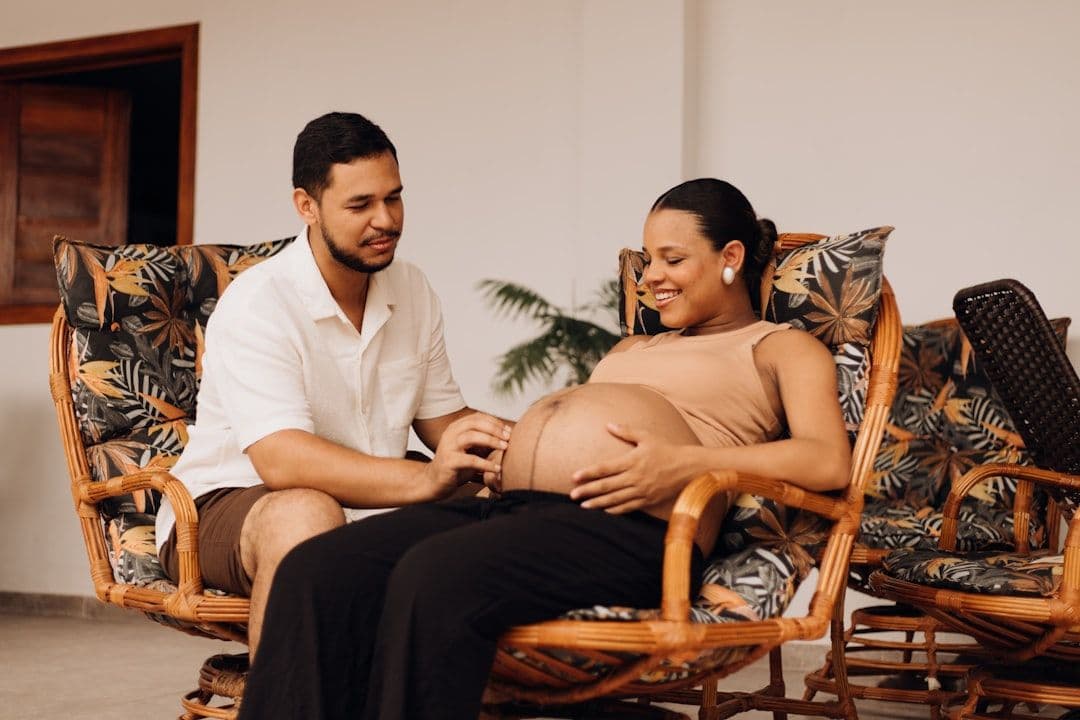
What Is Pregnancy Massage?
Pregnancy massage is a specialized form of therapeutic touch designed specifically for expectant mothers. It adapts traditional massage techniques to accommodate the physical, emotional, and anatomical changes that occur during pregnancy. Unlike standard massage, pregnancy massage uses specialized positioning, typically side-lying or semi-recumbent postures, to avoid placing pressure on the abdomen and to safely support the growing body.
This modality is rooted in both modern therapeutic practice and traditional wellness approaches. Many cultures have long recognized the value of nurturing touch during pregnancy. Today, pregnancy massage is offered by licensed massage therapists and bodyworkers who have completed specialized training in prenatal anatomy, contraindications, and client safety.
The practice focuses on addressing pregnancy-specific discomforts such as lower back and pelvic pain, sciatica, muscle tension, swelling, and emotional stress. Practitioners work within clear safety boundaries, avoiding deep tissue pressure, certain reflex points, and techniques that may pose risk to mother and baby. The goal is to provide comfort, reduce tension, and support the expectant mother's overall wellbeing as a complement to standard prenatal medical care.
How Does It Work?
Pregnancy massage works through several complementary mechanisms. Mechanically, it eases muscular tension and addresses postural changes that accompany pregnancy. As the body adapts to support the growing baby, the spine curves, the pelvis shifts, and muscles compensate. Targeted soft tissue work on the lower back, hips, glutes, and legs can help release these compensatory tension patterns and reduce strain on nerves and joints.
Neurologically, massage activates the parasympathetic nervous system—often called the 'rest and digest' response—which counters the elevated stress and anxiety many pregnant people experience. Gentle, rhythmic touch signals safety to the nervous system, potentially lowering cortisol and adrenaline levels while supporting relaxation and sleep quality.
Circulatorily, gentle massage and lymphatic drainage techniques may encourage blood flow and lymphatic movement, which can help reduce swelling common in late pregnancy. Light, directional strokes guide fluid movement toward the heart and lymph nodes, easing edema in the legs and feet.
Emotionally, the nurturing, undivided attention of a pregnancy massage session creates a safe, affirming space. This may help reduce prenatal anxiety, support emotional processing, and foster a sense of connection to the body and growing baby. Many practitioners create a warm, grounded environment that complements the expectant mother's emotional needs during this transformative time.
What Does a Session Involve?
A typical pregnancy massage session begins with a thorough consultation. The practitioner will ask detailed questions about your medical history, current pregnancy status, any complications or high-risk factors, medications, and specific areas of discomfort. They will also explain positioning options, discuss what to expect, and answer questions about safety.
You will be positioned side-lying, typically on your left side, with support pillows under the belly, between the knees, and behind the back. Some practitioners use a pregnancy pillow or body pillow for comfort. You remain fully clothed or partially draped, with appropriate boundaries maintained throughout.
The practitioner will begin with gentle, warming strokes to familiarize your body with their touch. Work typically focuses on areas of tension: the lower back, sacrum, hips, glutes, shoulders, neck, and legs. Pressure is moderate to light—never the deep, intense pressure of sports massage or deep tissue work. The practitioner may use techniques such as effleurage (long, gliding strokes), petrissage (gentle kneading), and sustained pressure on tight muscle groups.
Special attention may be given to reducing sciatic nerve irritation, easing pelvic tension, or addressing specific complaints like headaches or swelling. Some practitioners incorporate lymphatic drainage techniques, breathing cues, or gentle joint mobilization. A full session typically lasts 60 minutes, though 45-minute sessions are also common.
Toward the end, the practitioner may offer grounding techniques, allow time for you to rest and reorient, and provide guidance on self-care, stretches, or positioning at home. Most people feel deeply relaxed after a pregnancy massage and may experience improved sleep and reduced discomfort in the hours and days following.
Who May Benefit?
Pregnancy massage may be beneficial for a wide range of expectant mothers, though individual responses vary. Those experiencing lower back or pelvic pain, particularly in the second and third trimesters, may find significant relief. Pregnant people with sciatica—a sharp, radiating pain down the leg caused by piriformis muscle tension—often report improvement with specialized massage.
Expectant mothers managing elevated prenatal anxiety, stress, or emotional overwhelm may benefit from the grounding, nurturing effects of touch. The parasympathetic activation and safe relational space can support emotional processing and reduce hyperarousal. Similarly, those struggling with insomnia or disrupted sleep quality during pregnancy may find that regular massage promotes deeper, more restorative rest.
Individuals with generalized tension, muscle tightness, or reduced range of motion during pregnancy, as well as those experiencing swelling in the legs and feet, may also benefit from skilled prenatal massage. Some practitioners work with pregnant people who have a history of trauma or who are navigating complex emotions around body image, control, or the pregnancy itself.
However, pregnancy massage is not appropriate for everyone. Those with high-risk pregnancies, preeclampsia, placental complications, preterm labor risk, or unexplained bleeding should consult their obstetrician before pursuing massage. Similarly, expectant mothers should always inform their healthcare provider and ensure their massage practitioner has specialized training and clear communication channels with the obstetric team.
What Does the Evidence Say?
Research on pregnancy massage reveals moderate evidence across several conditions. Studies suggest that massage may support reductions in lower back pain, anxiety, and sleep disturbance during pregnancy. A 2018 systematic review in the Journal of Bodywork and Movement Therapies found evidence supporting massage for pregnancy-related pain, though researchers noted that study sizes are generally small to moderate and longer-term follow-up data are limited.
For lower back pain specifically, several randomized controlled trials show symptom improvement with regular massage sessions. A 2018 study in Complementary Therapies in Clinical Practice examined massage effects during labor and found reductions in both pain and anxiety, with benefits sustained in some cases into the postpartum period.
Regarding anxiety and stress, evidence suggests that massage lowers cortisol levels and activates the parasympathetic nervous system. Field and Hernandez-Reif's 2016 meta-analysis on massage for musculoskeletal pain during pregnancy noted consistent improvements in pain scores and mood measures, though they emphasized the need for larger, methodologically rigorous trials.
For other conditions such as sciatica, tension headaches, edema, and insomnia, evidence is promising but more limited. Anecdotal reports and clinical experience are favorable, but high-quality randomized controlled trials are sparse. Overall, the evidence level is moderate—sufficient to suggest potential benefit when delivered by a trained practitioner and used alongside standard medical care, but not yet definitive enough to claim pregnancy massage as a primary treatment for any condition.
It is important to note that massage should complement, never replace, medical evaluation, prescribed medications, or standard prenatal monitoring. Any new or worsening symptoms should always be reported to your obstetrician or midwife.
Safety and Considerations
Pregnancy massage is generally safe when performed by a qualified, trained practitioner. However, several important safety considerations apply. First and foremost, always consult your obstetrician or midwife before beginning massage, especially if you have a high-risk pregnancy, history of miscarriage, preeclampsia, placental complications, preterm labor risk, or any other pregnancy-related medical condition.
The first trimester requires particular caution. While gentle massage poses minimal risk, many practitioners recommend waiting until the second trimester when miscarriage risk is lower and the pregnancy is more stable. Always inform your massage practitioner of your trimester and any pregnancy-related conditions.
Qualified pregnancy massage practitioners will avoid certain techniques. Deep tissue work, intense pressure, and abdominal massage are contraindicated. Certain reflex points on the feet and hands, such as those associated with uterine stimulation, should be avoided. Prone positioning (lying face-down) is unsafe; side-lying or semi-recumbent positions are standard.
Communication is essential. Inform your practitioner of all medications, supplements, medical conditions, and any previous complications. Many pregnancy massage practitioners appreciate written communication with your obstetrician to ensure coordinated, safe care.
Postmassage, drink plenty of water and avoid strenuous activity. Some people experience mild temporary symptoms such as slight soreness or fatigue; these typically resolve quickly. If you experience severe pain, bleeding, cramping, or any concerning symptoms following massage, contact your healthcare provider immediately.
Always remember that pregnancy massage is complementary—a support alongside standard prenatal medical care, not a replacement for it. When in doubt, consult your obstetrician.
How to Find a Qualified Practitioner
Finding a qualified pregnancy massage practitioner requires careful research and vetting. Start by looking for practitioners with explicit, documented training in prenatal massage. Many massage therapy schools now offer specialized certifications; ideal candidates will have completed at least 100 hours of dedicated prenatal training beyond their basic massage license.
Check credentials. In most countries, licensed massage therapists (LMT) or registered massage practitioners (RMP) must meet state or national licensing standards. In the United States, look for therapists certified by the National Board of Certification for Therapeutic Massage and Bodywork (NCBTMB). In the UK, verify registration with the Complementary and Natural Healthcare Council (CNHC) or Massage Therapy Association. Many countries have equivalent professional bodies; verify your practitioner's credentials through official registries.
Ask specific questions. Inquire about the practitioner's prenatal training hours, years of experience working with pregnant clients, knowledge of contraindications, and willingness to communicate with your obstetrician or midwife. A qualified practitioner will happily discuss their qualifications and explain their approach to safety.
Seek recommendations. Ask your obstetrician, midwife, or doula for referrals. Many healthcare providers partner with or recommend pregnancy massage practitioners they trust. Word-of-mouth from other pregnant people or new mothers can also be valuable.
Interview before booking. Have an initial phone or in-person conversation. A good practitioner will ask thorough health questions, explain their methods, discuss positioning and comfort, and create a sense of safety and professionalism. Trust your instinct—you should feel comfortable and respected.
Verify insurance or payment. Some practitioners accept insurance, though many do not. Pregnancy massage is sometimes covered under complementary health benefits or as a wellness service; check your plan. Prices vary geographically but typically range from 50-150 per session. Don't let cost alone determine your choice; prioritize qualifications and rapport.
Once you have found a practitioner, maintain clear communication throughout your pregnancy, especially if your condition changes or complications arise.