Why Practitioners Choose This Modality
I began specialising in pregnancy massage after witnessing the profound impact therapeutic touch can have on expectant mothers navigating one of life's most transformative experiences. Pregnancy fundamentally changes the body—the spine curves, the pelvis shifts, organs are displaced, and the nervous system operates in a heightened state of anticipation. Conventional massage techniques simply cannot address these unique needs. By training in prenatal-specific anatomy and adapted positioning, I can offer something truly safe and effective during this sensitive window.
What drew me most deeply to this work is the emotional and relational dimension. Pregnancy brings not only physical challenges but also profound psychological shifts. Many of my clients arrive at their first session carrying tension they didn't even realise they were holding—anxiety about birth, worries about parenthood, grief about body changes. I see massage as a way to help them reconnect with their bodies, to affirm that their changing shape is powerful and worthy of care. The evidence supports this: regular massage sessions are associated with reduced cortisol levels, lower anxiety scores, and improved sleep—all essential for maternal wellbeing. But beyond the data, I witness it firsthand in the faces of clients as they leave: more relaxed, more grounded, more trusting of their own bodies. That impact is why I chose this modality, and why I continue to invest in staying current with prenatal care guidelines and safety protocols.
What Clients Typically Experience
First-time clients often arrive unsure what to expect or worried they might be harmed. I always begin by taking a detailed history and explaining exactly how pregnancy massage differs from standard massage. We discuss their primary concerns—usually lower back pain, sciatica, or anxiety—and I outline how today's session will address those needs.
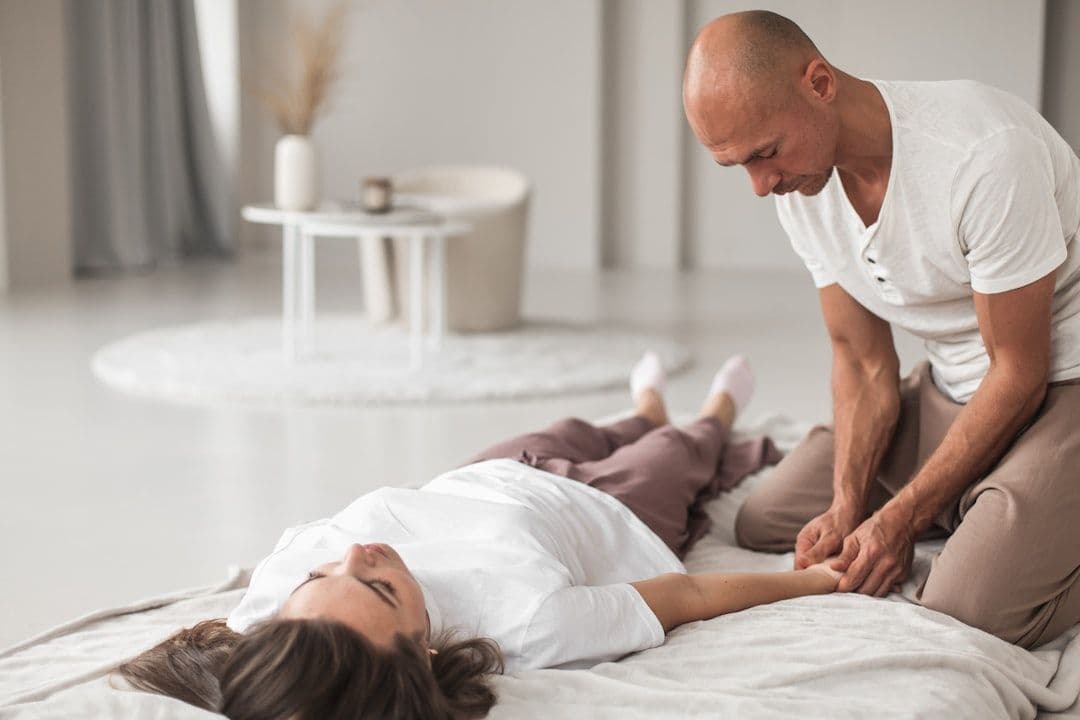
Physically, clients experience relief quite quickly. I work with them side-lying, fully supported with pillows under the bump, between the knees, and behind the back. This positioning alone often brings immediate comfort. As I work through the lower back, glutes, and legs, I feel tight muscles gradually soften. Clients frequently comment that they hadn't realised how much tension they were holding in their hips or shoulders. Over a series of sessions, I observe measurable improvements: a client with sciatica begins to walk more freely, someone struggling with sleep starts sleeping through the night more consistently, and anxious mothers report feeling calmer and more able to manage stress.
Emotionally, pregnancy massage often creates a unique kind of safety. This is protected time—no phone, no to-do lists, no one else's needs but theirs. Many clients tell me they cry during or after a session, not from pain but from relief and release. Pregnancy can feel isolating; massage offers non-judgmental, skilled touch that says, 'Your body is being seen, supported, and cared for.' That experience is as therapeutic as any physical technique. By the end of a course of sessions, most clients report feeling more embodied, more confident in their bodies, and better equipped to navigate the remaining weeks of pregnancy.
Common Misconceptions
The most persistent misconception is that massage might harm the pregnancy or trigger premature labour. In reality, pregnancy massage uses specifically adapted techniques that avoid the abdomen entirely and focus on supporting the musculoskeletal system. There is no evidence that gentle, qualified pregnancy massage increases miscarriage risk or induces labour. However, certain points and deep pressure techniques do warrant caution, which is precisely why training matters. This misconception often stems from confusion with other modalities; some acupressure or reflexology points are contraindicated in pregnancy, but therapeutic massage performed by a trained prenatal specialist is safe.
Another common misconception is that pregnancy massage is purely a luxury or indulgence. Some clients feel guilty taking time for themselves, as though self-care is selfish. I gently reframe this: tending to your physical comfort and emotional wellbeing during pregnancy is not frivolous—it's foundational to your capacity to carry a healthy pregnancy and prepare for labour and birth. Research consistently links prenatal stress reduction and pain management to better birth outcomes and postpartum mental health. Taking care of yourself is taking care of your baby.
A third misconception is that any massage therapist can safely work with pregnant clients. This is simply untrue. Pregnancy demands specific anatomical knowledge, training in adapted positioning, and understanding of when a client should be referred back to their midwife or GP. I always recommend that expecting mothers seek out a therapist with certified prenatal massage training, not just a general practitioner who says they 'can do pregnancy.'
Advice for First-Timers
If you're considering pregnancy massage for the first time, here are my key recommendations. First, get the green light from your GP or midwife, especially if you're in your first trimester, have had complications, or are managing any chronic health conditions. A simple conversation with your healthcare provider takes minutes and provides essential peace of mind.
Second, seek out a therapist with certified prenatal massage training. Ask about their qualifications, their experience working with pregnant clients, and their familiarity with your stage of pregnancy. A good practitioner will ask detailed questions about your pregnancy history, current symptoms, and any concerns before beginning work. If something doesn't feel right during a session, speak up immediately—your comfort and safety are paramount.
Third, be honest about what you want from the experience. Are you primarily seeking pain relief, or are you looking for stress reduction and relaxation? Do you have specific areas of tension? Are you anxious about certain aspects of the pregnancy or birth? The more your therapist understands your needs, the more effectively they can tailor their approach. I often encourage clients to set realistic expectations: one session will feel lovely, but a series of sessions—typically weekly or bi-weekly—tends to yield more sustained benefits.
Finally, listen to your body. Pregnancy massage should feel supportive and safe, never painful or invasive. Some gentle discomfort as tight muscles release is normal, but sharp pain or pressure to the abdomen is not. Communicate during the session, ask questions, and never hesitate to stop or adjust positioning. You are the expert on your own body. A skilled therapist is your partner in care, not an authority figure. The best pregnancy massage experiences happen when there's trust, clear communication, and shared intention to support your wellbeing.
When to Seek Additional Support
While pregnancy massage is a valuable complementary tool, it is not a replacement for medical care. There are clear situations in which you should consult your GP, midwife, or obstetrician rather than or in addition to receiving massage. If you experience severe pain that worsens despite massage, vaginal bleeding, sudden swelling, severe headaches accompanied by vision changes, or any symptom that feels concerning or unusual, contact your healthcare provider immediately.
If you have been diagnosed with a pregnancy complication—such as gestational diabetes, preeclampsia, placenta previa, or a history of preterm labour—discuss massage with your medical team before proceeding. Some conditions require modified or postponed massage, and your healthcare provider is the best source of guidance. Similarly, if you are taking blood-thinning medication or have a known blood clotting disorder, inform both your therapist and your doctor, as certain pressure techniques may need adjustment.
Pregnancy massage works best as part of a holistic care approach alongside standard prenatal check-ups, appropriate exercise, good nutrition, and mental health support if needed. If you find yourself struggling with significant anxiety, depression, or fear around pregnancy or birth, please reach out to your GP or a perinatal mental health specialist. Massage can support wellbeing, but it is not a treatment for perinatal mood disorders. A integrated approach—combining medical care, movement, psychological support, and complementary practices like massage—gives you the strongest foundation for a healthy, supported pregnancy.