Before the Session: What to Expect
Walking into a red light therapy session for the first time, you might feel a mix of curiosity and mild uncertainty. What should I wear? Will it hurt? How do I position myself? These are normal questions. In truth, there is very little preparation required. Most practitioners simply ask you to wear comfortable clothing and to remove any glasses or sunglasses. Some clinics suggest arriving with clean skin if you are treating acne, though this is not essential. A few minutes before your appointment, take a breath and let go of any expectation that something dramatic will happen. Red light therapy is subtle by nature. It works quietly at the cellular level, and your job is simply to show up, sit still, and allow the light to do its work. You may feel a gentle warmth building up or a slight tingling in the treated area. Some people find the experience so calming that they drift into a meditative state or even doze off. This is entirely normal and actually quite welcome—your nervous system may appreciate the quietness of it all.
Arriving and Setting the Scene
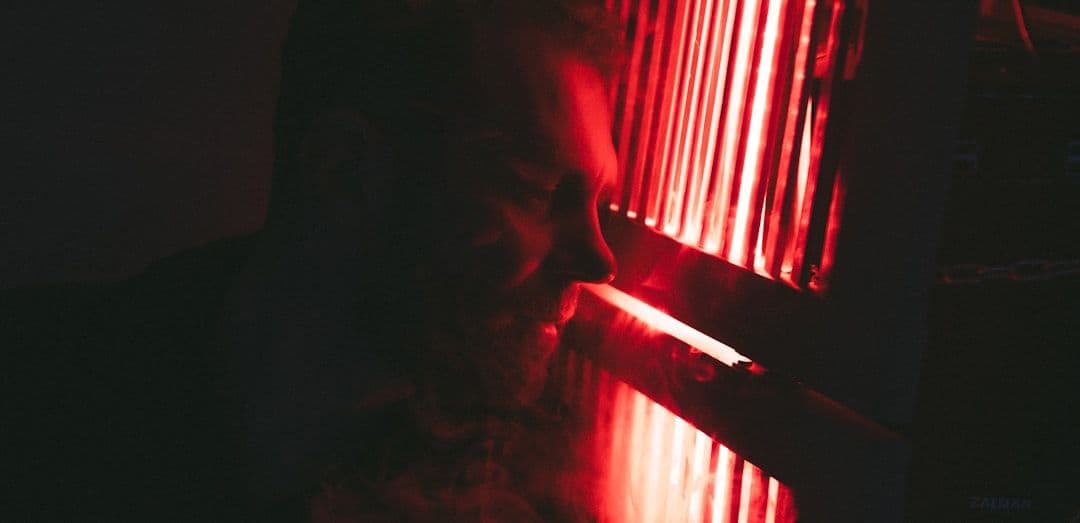
As you enter the therapy space, you will likely notice a sense of calm. Most clinics dedicated to light therapy cultivate a peaceful environment—soft lighting, perhaps gentle music, and a comfortable chair or bed where you will position yourself. The practitioner will guide you on where to sit or recline, typically at a comfortable distance from the red light panel, usually between 4 and 12 inches away depending on the device's intensity. The panel itself may look like a large flat screen or a dome-shaped apparatus. It is strikingly ordinary to look at, often finished in sleek black or white. Once you are positioned, you may be offered a small pillow or blanket for comfort. The practitioner will explain what to expect during the session and answer any last-minute questions. They may apply a protective eye covering if your face is being treated and the light is very bright, though many modern panels are designed to be safe for the eyes. Everything feels reassuring and under control. You are simply settling in for a brief period of passive healing.
During the Session
The light switches on, and you may feel a subtle shift immediately. The warmth begins gently, almost imperceptibly at first, then gradually becomes more noticeable across the treatment area. If you are being treated for acne, you might feel a pleasant heat spreading across your cheeks and forehead. For joint pain or muscle recovery, the warmth concentrates in that specific area—a knee, lower back, or shoulder—creating a deeply comforting sensation. Unlike intense heat that can feel uncomfortable, red light warmth is diffuse and soothing, like sitting in afternoon sunlight on a cool day. Your mind may wander, and this is perfectly fine. Some people use the time to meditate, breathe deeply, or simply let their thoughts drift. Others find themselves relaxing so deeply that time seems to disappear. Ten to twenty minutes pass this way. You may notice a slight redness or flushing in the treated skin, which is normal and reflects increased blood flow. There is no buzzing, no vibration, no invasive sensation whatsoever. Just you, the light, and your body's quiet work of cellular repair. The experience is deeply non-invasive, which can feel almost too simple at first, yet many people find this simplicity reassuring.
How You May Feel Afterwards
As the light switches off, you may notice a lingering warmth in the treated area for several minutes. This is your body's response to increased circulation and cellular activity. You will likely feel calm, grounded, and perhaps mildly energised. Some people describe a subtle sense of relaxation that continues for hours afterwards. Your skin may appear slightly flushed, particularly if you were treated for acne or facial concerns, though this redness usually fades within 30 minutes to an hour. For musculoskeletal concerns, you might notice a gentle looseness in the treated joint or muscle—not dramatic, but noticeable. Over the following hours and days, many people report a quieting of inflammation, improved sleep quality, or a gradual reduction in baseline aching. It is important to remember that a single session is only the beginning. Red light therapy works through consistency over time. After your first session, you will likely feel you have received something gentle and positive. After several weeks of regular sessions, the cumulative effects become clearer: skin looks more balanced, joints move with less resistance, hair may appear fuller, or muscle soreness eases into the background. These changes are not overnight transformations, but they are real and worth the patient investment.
Is It Right for You?
Red light therapy may be a good fit if you are seeking a non-invasive, drug-free approach to support skin clarity, hair vitality, joint function, or muscle recovery alongside your existing care routine. It is particularly appealing if you prefer gentle, consistent therapies over aggressive interventions. However, red light therapy is not a substitute for medical diagnosis or treatment. If you have a serious or worsening health concern—severe joint pain, unexplained skin conditions, significant hair loss, or chronic pain—consulting a qualified healthcare professional is essential before or alongside red light therapy. This is especially important if you take photosensitising medications, have thyroid disorders, are pregnant, or have active infections. Think of red light therapy as part of a holistic wellness strategy: it pairs well with good sleep, nutrition, stress management, and appropriate medical care. Many people find that the ritual of regular red light therapy sessions becomes a grounding anchor in their week, a time set aside purely for their body's wellbeing. If that resonates with you, and if the evidence for your particular concern feels compelling, then stepping into that warm, gentle light may be worth exploring.