What Is Red Light Therapy?
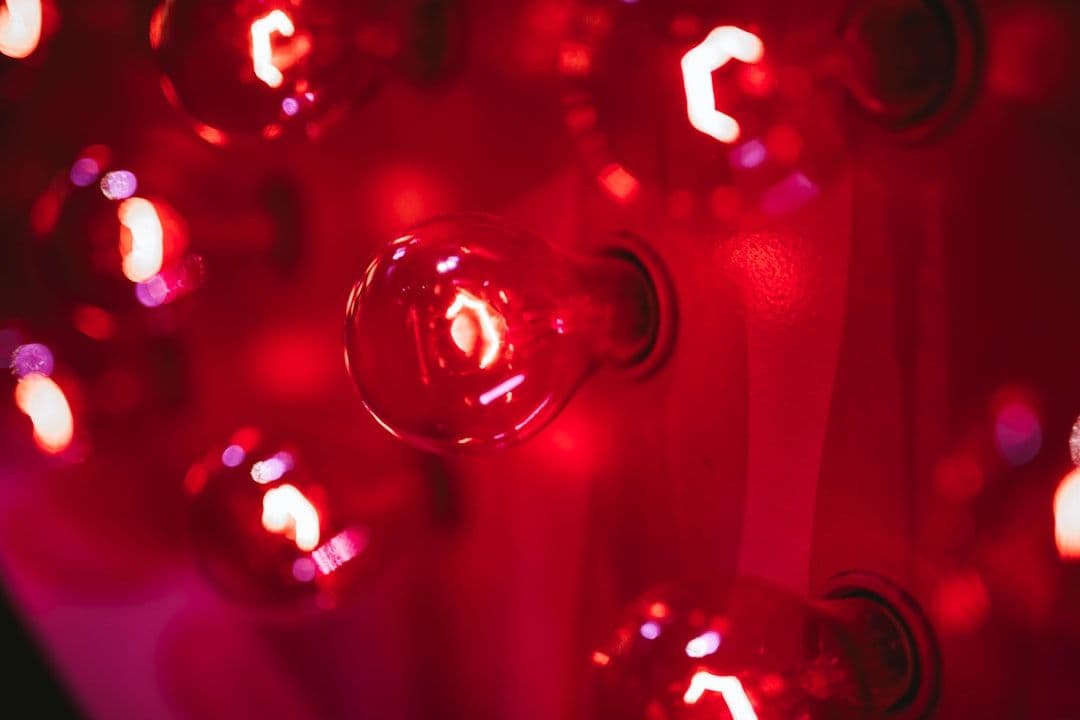
Red light therapy, also called photobiomodulation or low-level light therapy (LLLT), is a non-invasive modality that uses specific wavelengths of red and near-infrared light to stimulate cellular activity. The therapy typically employs wavelengths between 600 and 1000 nanometers—the visible red spectrum through to near-infrared light that can penetrate deeper into tissue. Practitioners use specialized devices such as LED panels, laser emitters, or light beds to deliver consistent, controlled light exposure to targeted areas of the body or the entire body depending on the device and treatment goal.
Red light therapy has roots in both ancient healing traditions and modern photobiology research. While the use of sunlight for health dates back centuries, scientific study of specific light wavelengths began in the 1960s with Russian researchers, and has expanded significantly since the 2000s as LED and laser technologies became more accessible and evidence-based. Today, red light therapy sits at the intersection of complementary health and evidence-based practice, with clinical applications ranging from dermatology and sports medicine to pain management and wound healing. It is important to emphasize that red light therapy is used alongside conventional medical care, not as a replacement for medical diagnosis or treatment.
How Does It Work?
Red light therapy works primarily by stimulating a cellular energy-production process. When red and near-infrared wavelengths penetrate the skin and deeper tissues, they are absorbed by chromophores—light-absorbing molecules—within the mitochondria of cells, particularly an enzyme called cytochrome c oxidase within the electron transport chain. This interaction boosts the production of ATP (adenosine triphosphate), the primary energy currency of cells. By increasing cellular energy availability, red light therapy is theorized to support cellular repair, reduce inflammation, increase blood flow, and enhance tissue regeneration.
Beyond ATP production, red light exposure is thought to trigger a cascade of secondary effects. These include reduced oxidative stress (harmful free radicals), decreased inflammatory markers, improved lymphatic drainage, and enhanced collagen and elastin synthesis. At the tissue level, these effects translate to faster wound healing, reduced pain perception, improved skin condition, and stimulated hair follicle activity. The depth of penetration and strength of effect depend on several factors: the wavelength used (longer wavelengths penetrate deeper), the power density (measured in milliwatts per square centimeter), the duration of exposure, and the individual's skin type and tissue composition. A practitioner selects devices and parameters based on the condition being treated and the desired tissue depth for therapeutic effect.
What Does a Session Involve?
A typical red light therapy session is straightforward and painless. You will sit or lie comfortably while a practitioner positions a red light device at an appropriate distance from the treatment area—usually 6 to 12 inches away, depending on device specifications. The device is turned on and you remain still during the session, which typically lasts between 10 and 30 minutes. You may wear protective eyewear if the face is being treated, depending on the device type. Most sessions feel warm and comfortable; some people describe a gentle warmth or mild tingling sensation, though most feel nothing during treatment.
The treatment environment is calm and low-pressure. Some practitioners combine red light therapy with other complementary modalities such as massage or guided relaxation. Afterward, you can immediately return to normal activities; there is no downtime, recovery period, or side effects that would restrict your day. For optimal results, most protocols recommend consistent sessions spread over weeks or months rather than a single or occasional treatment. A typical plan might involve 2 to 5 sessions per week for 8 to 16 weeks, though this varies based on the condition, device power, and individual response. Your practitioner will assess your progress and adjust the frequency as needed.
Who May Benefit?
Red light therapy may be appropriate for people seeking complementary support for several conditions. Those with acne or inflammatory skin conditions often benefit, as red light can support healing and reduce inflammation without the side effects of some topical or oral acne treatments. Individuals experiencing hair thinning or androgenetic alopecia may find red light therapy helpful for stimulating hair follicle activity and promoting thicker, fuller growth—particularly when used consistently over months.
People with chronic pain conditions, including osteoarthritis, lower back pain, or fibromyalgia, often explore red light therapy as a way to complement their existing pain management strategies and support tissue repair. Those with slow-healing wounds, such as diabetic foot ulcers, may benefit under medical supervision, as red light is used alongside standard wound care to accelerate healing. Additionally, athletes and active individuals sometimes use red light therapy to support muscle recovery and tissue repair after training or injury.
Red light therapy is not appropriate for everyone. Pregnant women, those taking photosensitizing medications, and people with untreated thyroid conditions should consult a healthcare provider first. Anyone with serious conditions such as cancer, uncontrolled diabetes, or severe eye disease should discuss red light therapy with their doctor before beginning treatment. Red light therapy works best for people who are willing to commit to a consistent treatment schedule over weeks and who view it as a complement to, not replacement for, their conventional medical care.
What Does the Evidence Say?
Red light therapy has accumulated substantial clinical evidence supporting its use for several conditions. For acne vulgaris, multiple randomized controlled trials demonstrate significant reductions in inflammatory lesions and improvements in skin healing when red wavelengths (typically 630-700 nanometers) are applied consistently over 8 to 12 weeks. Research shows that red light stimulates immune function in the skin, reduces Cutibacterium acnes bacteria, and supports collagen remodeling to minimize scarring.
In the realm of hair growth, strong evidence supports red light therapy for androgenetic alopecia (male and female pattern hair loss). Clinical trials consistently show increased hair density, reduced shedding, and improved hair thickness with 16+ weeks of regular treatment. The mechanism involves stimulation of dermal papilla cells and improved blood flow to hair follicles, promoting the anagen (growth) phase of the hair cycle.
For osteoarthritis and chronic joint pain, systematic reviews indicate that red light therapy may reduce pain and improve joint function by enhancing cellular energy production in cartilage and synovial tissue. Studies show effects comparable to some physical therapies when used consistently. Chronic lower back pain studies similarly demonstrate pain relief and improved mobility, attributed to increased blood flow and tissue repair in affected muscles and joints.
For diabetic foot ulcers and other chronic wounds, evidence shows that photobiomodulation accelerates healing by enhancing cellular repair processes and promoting new blood vessel formation (angiogenesis). Studies show faster wound closure rates and reduced healing time when red light is used alongside standard wound care.
For fibromyalgia, evidence is moderate but promising. Small trials suggest red light therapy may reduce systemic oxidative stress and pain sensitivity, with improvements in fatigue and sleep quality, though larger studies are needed to establish optimal protocols. Across all conditions, the quality of evidence depends on study design, device specifications, and treatment consistency. Most benefits emerge only with regular, sustained use over weeks to months, and results vary among individuals based on age, condition severity, and lifestyle factors.
Safety and Considerations
Red light therapy has a strong safety profile with minimal reported adverse effects when administered correctly. Most people tolerate it very well without side effects. However, certain populations and circumstances require medical consultation or caution.
Pregnant women should consult their obstetrician or midwife before beginning red light therapy, as research in pregnancy remains limited. People taking photosensitizing medications—including certain antibiotics (tetracyclines, fluoroquinolones), nonsteroidal anti-inflammatory drugs (NSAIDs), and some herbal supplements (St John's Wort, hypericum)—should seek medical advice, as red light may increase photosensitivity and cause unexpected skin reactions. Those with untreated or uncontrolled thyroid conditions, or those taking thyroid replacement medication, should consult their healthcare provider, as some evidence suggests red light may affect thyroid function and hormone metabolism in sensitive individuals.
Eye safety is an important consideration, particularly with high-power devices. While red light itself does not damage the retina like blue light, direct staring into red light sources should be avoided, especially with high-powered devices. People with macular degeneration, retinal disease, or other eye conditions should consult an ophthalmologist before use. People taking photosensitizing supplements or medications used for cancer, thyroid, or other conditions should inform their oncologist or specialist that they are considering red light therapy.
Red light therapy should never be used as a replacement for medical diagnosis, treatment, or prescribed medications. Anyone with a serious condition—diabetes, chronic pain, skin disease, or wound complications—should continue their medical treatment and inform their healthcare provider that they are using red light therapy as a complementary practice. If you experience unexpected skin reactions, headaches, or worsening symptoms during or after red light therapy, discontinue use and consult your healthcare provider.
How to Find a Qualified Practitioner
Finding a qualified red light therapy practitioner requires some research, as the field is not yet universally regulated, and anyone can theoretically claim expertise. Start by seeking practitioners within established healthcare or wellness frameworks: dermatologists and skin care clinics increasingly offer red light therapy, as do physical therapy and sports medicine clinics, pain management centers, and integrative medicine practices. These practitioners typically have formal training and will be familiar with clinical protocols and safety guidelines.
When evaluating a practitioner, ask about their training and experience with red light therapy. Ask what specific devices they use and request technical details: the wavelengths (should be 600-1000 nanometers), power density, and whether these have been validated in clinical research. A knowledgeable practitioner can explain how they selected their device, why it is appropriate for your condition, and what you can realistically expect. Be cautious of practitioners who make absolute promises of cures or unrealistic claims; red light therapy is a complementary modality that supports healing, not a guaranteed fix.
Ask about the treatment protocol: How many sessions are recommended? Over what timeframe? At what frequency? A practitioner should customize this based on your condition and goals, and be willing to adjust the plan based on your progress. Check for certifications or memberships in professional organizations. Some practitioners may be certified in photobiomodulation or low-level light therapy through continuing education programs, though no universal certification body exists.
Read reviews and ask for references if possible. Word-of-mouth recommendations from friends or your healthcare provider are valuable. If you are considering a home device, research brands and manufacturers carefully, looking for clinical evidence supporting their products, clear technical specifications, and transparent company information. Some legitimate home devices are available, but many consumer-grade devices lack the power and precision of professional-grade systems.
As with any complementary practice, ensure that the practitioner views red light therapy as part of a comprehensive health approach, not as a standalone cure. A good practitioner will encourage you to maintain your medical care, discuss how red light therapy complements your current treatments, and adjust recommendations if your condition changes.