The Practice Itself
When you enter a Reiki Jin-Kei Do session, you're stepping into a practice that treats your spiritual development as inseparable from your healing process. The practitioner places their hands gently on or above your fully clothed body, channelling what they understand as universal life force energy. But unlike more straightforward Reiki approaches, Jin-Kei Do weaves meditation, breathing techniques, and moments of reflection throughout the session.
The practitioner might guide you through visualisations or invite you to notice what arises in your awareness. They're not simply transmitting energy—they're creating space for you to connect with what the tradition calls your own inner wisdom. Sessions typically last between 30 and 90 minutes, moving at a pace that allows for both energetic work and contemplative pauses.
This isn't passive receiving. You remain an active participant, even in stillness. The practice assumes you possess an innate capacity for healing and spiritual insight that the session aims to support rather than impose upon.
Origins and Cultural Context
Reiki Jin-Kei Do emerged from traditional Japanese Reiki but developed its distinctive emphasis on spiritual growth through practitioners who felt drawn to integrate meditation and inner development more explicitly into their practice. The name itself reflects this intention: 'Jin' relates to compassion, 'Kei' to wisdom, and 'Do' to the path or way—suggesting a journey of compassionate wisdom.
This approach honours the original spiritual context of Reiki whilst acknowledging that many people seek healing modalities that address their spiritual questions alongside physical concerns. Rather than presenting as a medical intervention, Jin-Kei Do positions itself firmly within contemplative traditions that view healing as encompassing the whole person.
The practice has evolved through communities of practitioners who value both the energetic transmission aspects of Reiki and the introspective elements of meditation traditions. This evolution reflects a broader movement within energy healing towards approaches that explicitly support spiritual development.
How the Practice Works
Within the Jin-Kei Do framework, healing occurs through the transmission of universal life force energy combined with the activation of your own inner wisdom. Practitioners understand this as working with subtle energy systems that connect your physical, emotional, and spiritual aspects. The hands-on or distant energy work aims to restore balance whilst the meditative elements help you access deeper self-awareness.
The practice operates on the principle that you possess an innate healing capacity that can be supported through energy transmission and spiritual practice. Practitioners often describe feeling warmth, tingling, or other sensations during energy transmission, whilst recipients commonly report deep relaxation, emotional release, or insights arising during sessions.
From a biomedical perspective, the relaxation response activated during sessions may support stress reduction and parasympathetic nervous system activation. The meditative components share similarities with mindfulness practices that research has associated with reduced anxiety and improved emotional regulation. However, the spiritual and energetic aspects of Jin-Kei Do operate within traditional knowledge systems rather than clinical frameworks.
Who Might Find This Helpful
People drawn to Jin-Kei Do often seek something beyond symptom relief—they want practices that support their spiritual development alongside stress reduction. This approach particularly appeals to those who've found meditation helpful but want to combine contemplative practice with hands-on healing. Many recipients report feeling both deeply relaxed and more connected to their own intuitive understanding after sessions.
Those experiencing life transitions, spiritual questioning, or a sense of disconnection from their deeper selves frequently find value in the practice's emphasis on inner wisdom. The combination of energy work and reflection can support people processing grief, relationship changes, or career transitions where they need both emotional support and clarity about their direction.
The practice also attracts people who've explored other forms of Reiki but want an approach that more explicitly integrates spiritual development. Those interested in cultivating greater self-awareness, developing their intuition, or exploring their spiritual nature often find the reflective components particularly meaningful.
What to Expect in Practice
Sessions typically begin with a brief conversation about your current state and intentions, though this isn't a detailed history-taking as you might experience with a therapist. You remain fully clothed and lie comfortably whilst the practitioner begins with centering themselves and connecting with what they understand as universal energy. Initial hand placements often start at your head or heart, with practitioners spending several minutes at each position.
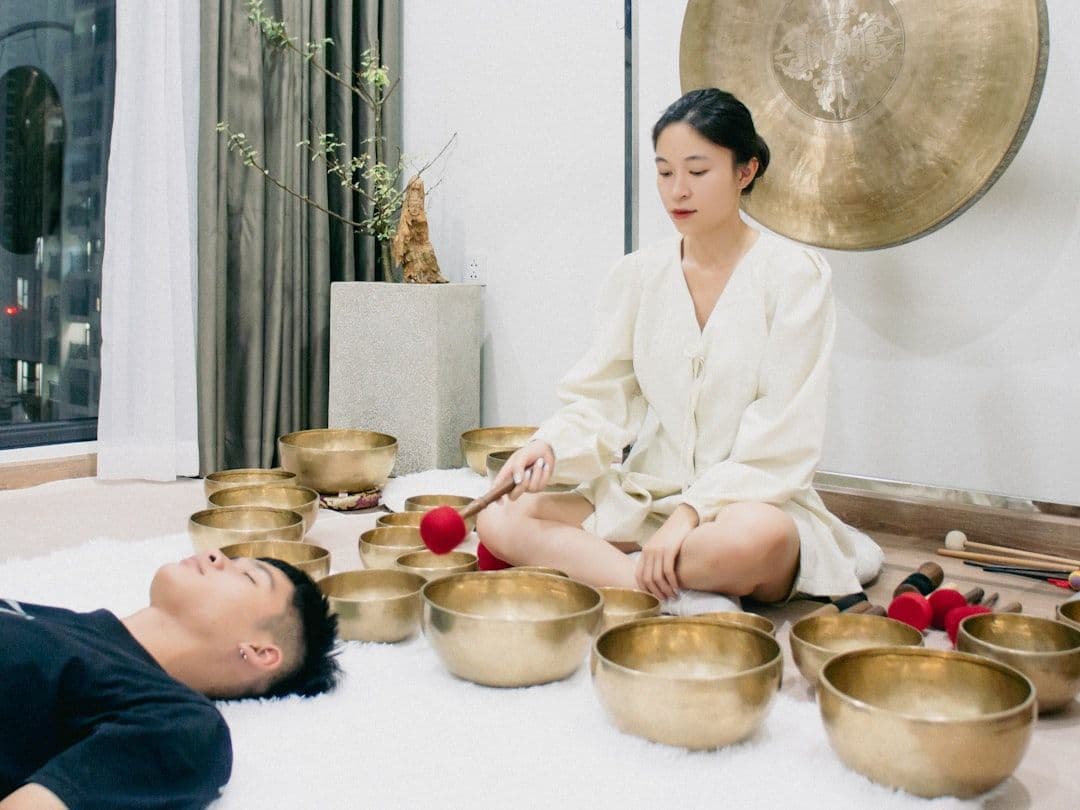
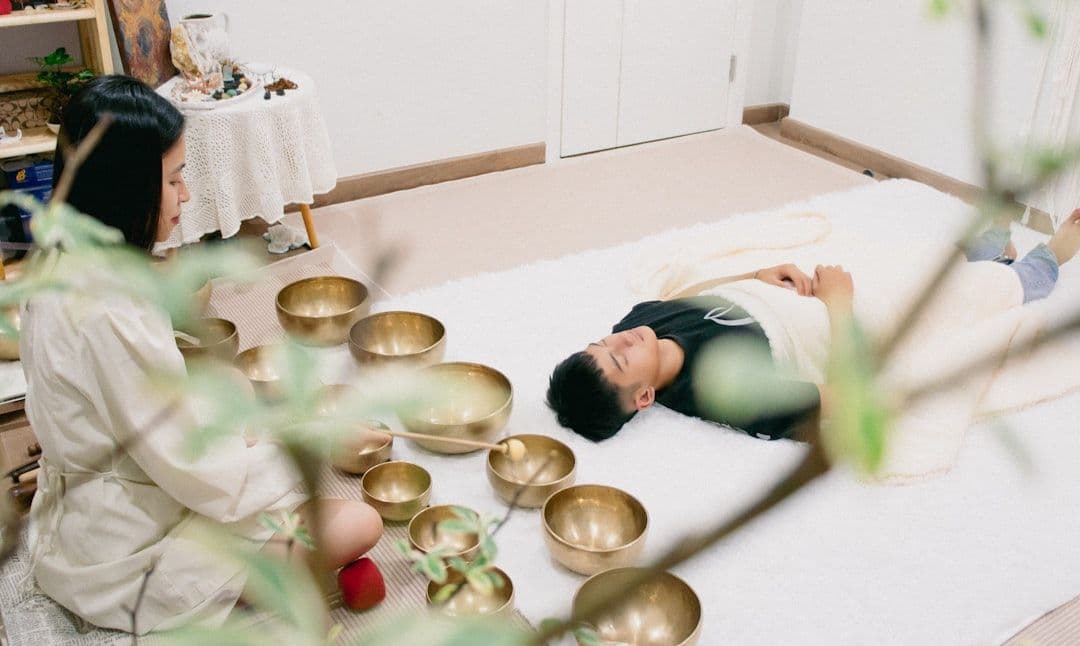
Throughout the session, the practitioner might guide you through breathing exercises, invite you to notice sensations or feelings arising, or suggest gentle visualisations. These aren't complex techniques—simple awareness of breath or invitation to sense your connection to the earth. Some practitioners incorporate crystals, gentle sounds, or aromatherapy, though the core remains energy transmission combined with contemplative awareness.
Sessions often include time for integration at the end—perhaps discussing what you noticed or simply sitting quietly with whatever arose. Many people report feeling simultaneously relaxed and energised, often with a greater sense of clarity about situations they've been contemplating. The practitioner might suggest simple practices for continuing this awareness between sessions.
Finding Qualified Practitioners
Reiki Jin-Kei Do practitioners typically train within specific lineages that emphasise both energy transmission techniques and spiritual development practices. Look for practitioners who've completed comprehensive training that includes both hands-on Reiki work and meditation or contemplative practice components. Many are also trained in other forms of Reiki or complementary therapies.
Costs typically range from £40 to £80 per session, depending on location and practitioner experience. Initial sessions might be longer and correspondingly more expensive. Many practitioners offer packages for ongoing work, recognising that spiritual development unfolds over time rather than in single sessions.
When choosing a practitioner, consider whether their approach to spirituality resonates with yours. Some work within specific religious or philosophical frameworks, whilst others maintain more universal approaches. Most reputable practitioners will discuss their training background and approach during initial consultations. Look for practitioners registered with bodies such as the CNHC or FHT, though specific Jin-Kei Do certification varies between teaching lineages.