Before You Arrive
Wear comfortable, loose-fitting clothing in natural fabrics if possible. You'll remain fully clothed throughout the session, so choose something that won't restrict your breathing or movement when lying down. Remove heavy jewellery, particularly metal pieces around your neck and wrists, though wedding rings and small earrings are fine.
Avoid alcohol for 24 hours beforehand and try to eat lightly rather than arriving on an empty stomach or feeling overly full. Many practitioners suggest drinking plenty of water in the days leading up to your session to support the body's natural processes.
Arrive with an open mind about what you might experience. Some people feel immediate sensations, whilst others notice subtle changes over time. Your practitioner will likely ask about your intentions for the session, so consider what you're hoping to explore or any particular areas of life where you're seeking clarity or support.
The Session Unfolds
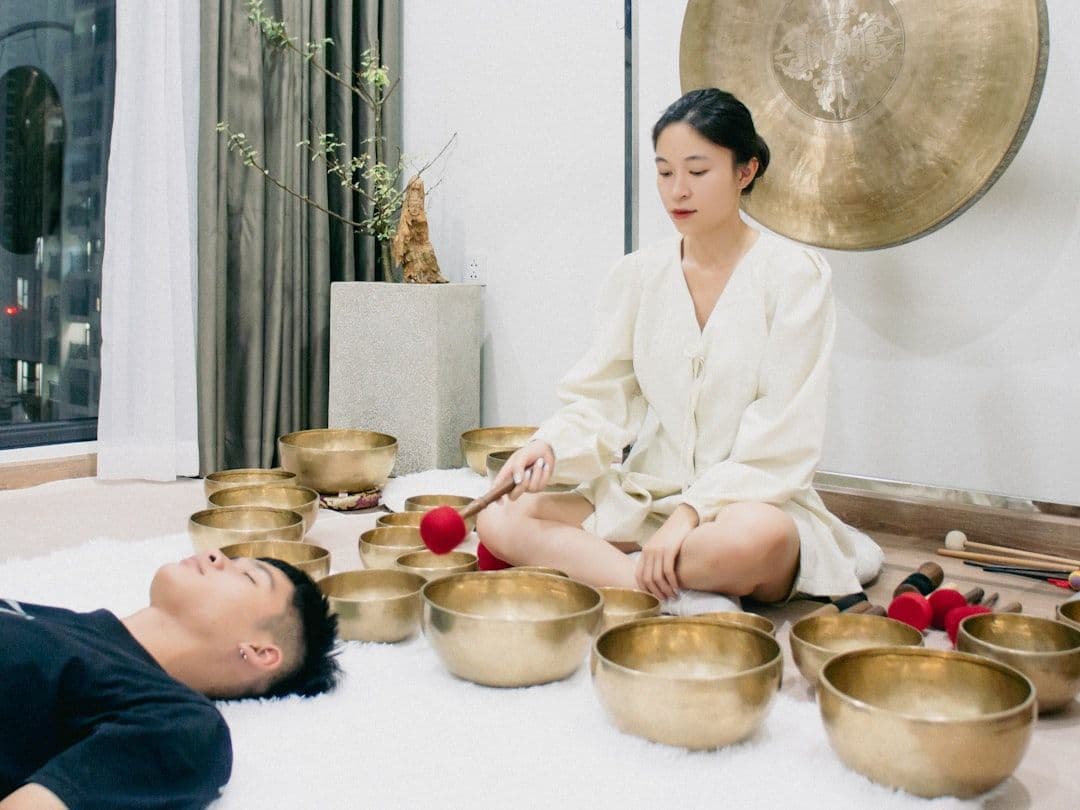
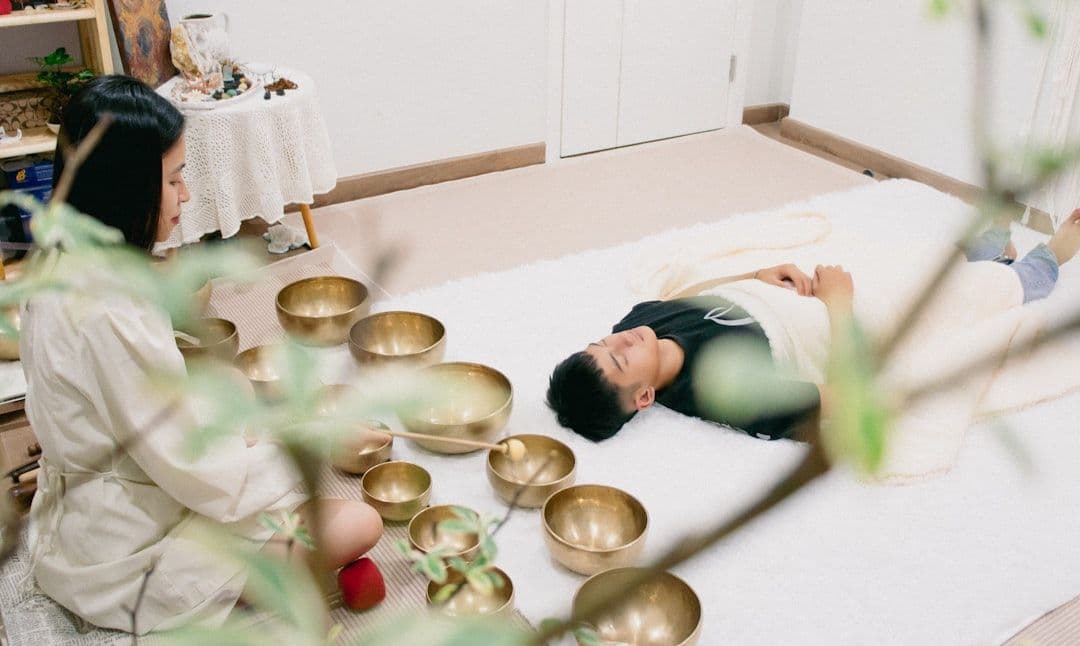
Your session begins with a conversation about your current state of wellbeing and what you're hoping to gain from the experience. This might last 10-15 minutes and helps your practitioner understand how to focus the session. You'll then lie on a massage table or sit in a comfortable chair, whichever feels more appropriate for you.
The practitioner places their hands gently on or slightly above specific areas of your body, typically starting with your head and working systematically down to your feet. Each hand position is held for several minutes whilst the practitioner channels energy through focused intention. You might feel warmth, coolness, tingling, or simply a sense of deep relaxation.
Unlike traditional Reiki, Jin-Kei Do sessions often incorporate guided meditation or breathing exercises. Your practitioner might invite you to visualise healing light, connect with your breath, or reflect on particular life themes. These elements distinguish the practice from purely hands-on energy work.
The entire process typically lasts 60-90 minutes, with the hands-on portion comprising about 45-60 minutes of this time. Sessions conclude with a few minutes to ground yourself before sitting up slowly.
What You Might Experience
Physical sensations vary enormously between individuals and even between sessions with the same person. You might feel warmth or coolness under the practitioner's hands, gentle tingling, or waves of relaxation moving through your body. Some people experience nothing physical but feel emotionally lighter or mentally clearer.
Emotional responses can be profound. The combination of energy work and spiritual focus often brings suppressed feelings to the surface. You might find yourself crying, laughing, or experiencing sudden insights about relationships or life directions. These responses are considered part of the healing process within this tradition.
Many people report altered states of consciousness during sessions—vivid imagery, memories surfacing, or a sense of expanded awareness. Some describe feeling deeply connected to something larger than themselves. Others simply enjoy profound relaxation similar to deep meditation.
Afterwards, you might feel energised and alert, or deeply tired and ready for rest. Both responses are normal. Some people notice improved sleep patterns, shifts in emotional reactivity, or greater clarity about personal decisions over the following days or weeks.
Aftercare and Integration
Drink plenty of water for 24-48 hours following your session to support your body's natural processes. Many practitioners recommend avoiding alcohol and eating nourishing, easily digestible foods for the remainder of the day.
Rest if you feel tired rather than pushing through fatigue. The deep relaxation achieved during sessions often reveals how much rest your body actually needs. Some people benefit from gentle movement like walking in nature, whilst others prefer to remain quiet and reflective.
Keep a journal for a few days after your session to capture any insights, dreams, or emotional shifts you notice. The Jin-Kei Do approach emphasises integration of experiences into daily life, so pay attention to how you respond differently to familiar situations.
If strong emotions arise in the days following your session, this is often viewed as part of the healing process. However, if you feel overwhelmed or distressed, contact your practitioner for guidance or consider speaking with a counsellor who understands complementary approaches.
Building a Practice
Most practitioners recommend a series of sessions rather than one-off treatments, particularly if you're exploring spiritual development alongside stress relief. An initial course might involve four to six sessions over 6-8 weeks, allowing time between appointments for integration and reflection.
Some people find monthly sessions helpful for ongoing spiritual maintenance, whilst others prefer intensive periods during times of particular life transition or challenge. The frequency depends entirely on your personal goals and how you respond to the work.
Many Jin-Kei Do practitioners also teach self-treatment techniques or meditation practices you can use between sessions. Learning these methods supports the spiritual growth aspect of the practice and helps maintain the sense of connection and inner wisdom that sessions often cultivate.
As with any spiritual practice, the benefits tend to deepen with consistency and openness to the process. What begins as simple relaxation often evolves into greater self-awareness and spiritual insight over time.