What Happens When Two Healing Arts Converge
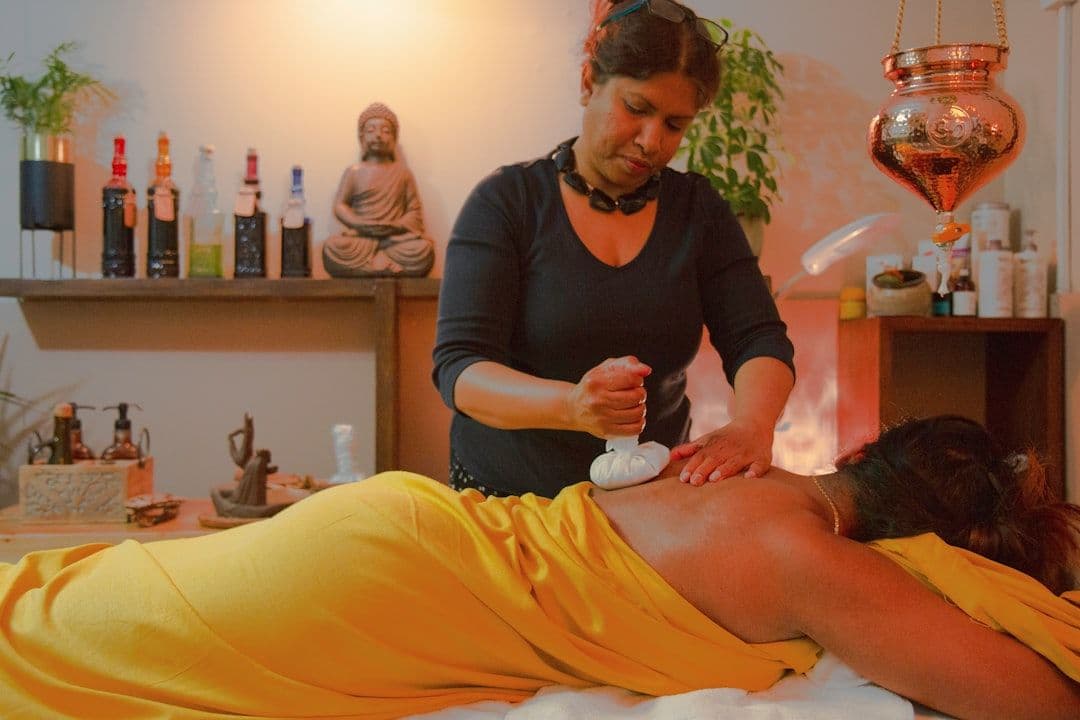
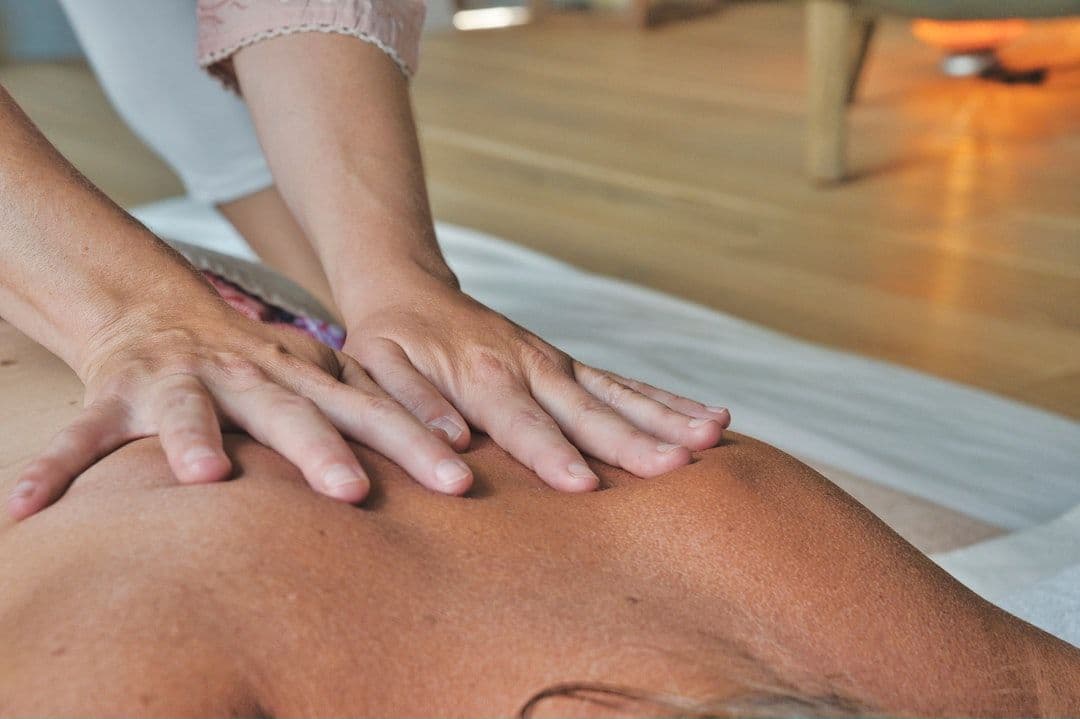
Picture lying on a massage table as skilled hands work into tight shoulders with familiar kneading strokes, then pause — palms resting lightly whilst warmth seems to radiate from the practitioner's touch. This is Reiki Massage: a practice that weaves together the physical manipulation of therapeutic massage with the energy channelling principles of traditional Japanese Reiki.
Unlike standard massage therapy, practitioners work on two levels simultaneously. The massage component addresses muscles, fascia, and circulation through familiar techniques — effleurage, petrissage, and targeted pressure point work. Meanwhile, the Reiki element involves what practitioners describe as channelling universal life force energy through their hands, whether actively massaging or simply resting on specific body areas.
Sessions move fluidly between these approaches. You might experience several minutes of rhythmic massage strokes followed by periods where hands remain stationary on your back, shoulders, or other areas whilst the practitioner focuses on energy flow. This creates a unique rhythm — sometimes dynamic, sometimes profoundly still.
Japanese Foundations Meet Western Bodywork
Reiki originated in early 20th-century Japan through the teachings of Mikao Usui, who developed a system of energy healing based on the concept of ki (life force energy). Traditional Reiki involves light hand placements on or above the body, with practitioners trained to channel this energy for healing purposes.
The integration with massage therapy represents a Western adaptation, combining Reiki's energetic framework with the well-established benefits of therapeutic touch and muscular manipulation. This fusion emerged as both practices gained popularity in complementary health circles, with practitioners recognising potential synergies between physical and energetic approaches.
Whilst traditional Reiki masters might view this combination as a departure from pure energy work, many practitioners find the integration allows them to address both physical tension and what they perceive as energetic imbalances within a single treatment session.
How Practitioners Understand This Dual Approach
Within the Reiki Massage framework, practitioners work with the understanding that physical tension and energetic blockages often occur together. The massage component aims to release muscular holding patterns, improve circulation, and activate the body's relaxation response through familiar physiological mechanisms.
Simultaneously, the Reiki aspect involves what practitioners describe as sensing and working with subtle energy fields. They may report feeling areas of warmth, coolness, or tingling in their hands, interpreting these sensations as indicators of energy flow or blockage. From this perspective, combining physical manipulation with energy channelling creates a more comprehensive approach to releasing tension.
Many people report experiencing sensations during the energy work portions — warmth, tingling, or deep relaxation that feels distinct from massage alone. Whether understood through energetic frameworks or as responses to focused attention and healing intention, these experiences often contribute to the practice's appeal.
Who Seeks This Combined Approach
Reiki Massage particularly appeals to those drawn to holistic approaches who want the tangible benefits of massage alongside what they perceive as energetic support. People dealing with chronic stress often find the combination more deeply relaxing than massage alone, describing sessions as both physically releasing and emotionally soothing.
Individuals experiencing grief, life transitions, or emotional overwhelm sometimes seek this practice for its gentle, nurturing quality. The energy work component can create space for emotional processing whilst the massage provides physical grounding and comfort.
Those with chronic pain conditions may find the dual approach addresses both physical discomfort and the energetic drain that persistent symptoms can create. However, it's important to view this as complementary support rather than primary treatment for diagnosed conditions.
What to Expect in a Session
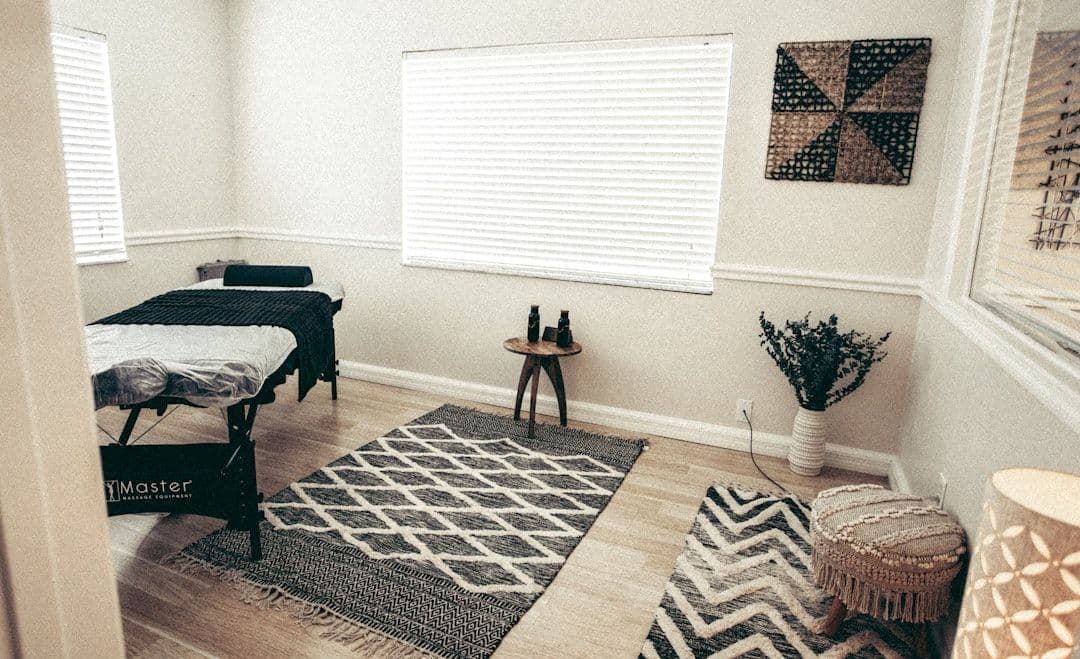
Sessions typically begin with a brief consultation about your current physical state and any areas of tension or concern. You'll lie on a massage table, usually undressed to your comfort level and draped with sheets or towels as in conventional massage therapy.
The practitioner alternates between hands-on massage techniques and periods of energy work. You might experience Swedish massage strokes on your back, followed by hands resting motionless on your shoulders for several minutes. Some practitioners work primarily with light touch throughout, whilst others incorporate deeper pressure during massage segments.
Sessions generally last 60-90 minutes, often feeling like they pass more quickly due to the deeply relaxed state many people enter. The practitioner may share insights about energy flow or areas that felt particularly tense, though the focus remains on your direct experience rather than extensive interpretation.
After treatment, many people report feeling both physically relaxed and emotionally balanced, sometimes with lingering sensations of warmth or lightness that can persist for hours or days.
Finding Qualified Practitioners
Look for practitioners trained in both massage therapy and Reiki energy work. Massage therapists should hold recognised qualifications and be registered with bodies like CNHC or FHT. Reiki training varies more widely, with levels typically progressing from Reiki I through Master Teacher certifications.
Expect to pay £60-120 per session in the UK, with prices varying by location and practitioner experience. Urban areas and highly qualified practitioners typically charge at the higher end of this range. Some practitioners offer package deals for multiple sessions.
During initial consultations, ask about their training in both modalities, their approach to combining them, and their experience with conditions similar to yours. A skilled practitioner should explain how they integrate the two approaches and be clear about what the treatment can and cannot address.
Consider starting with a shorter session if you're new to either massage or energy work, allowing you to gauge your response to the combined approach before committing to longer treatments.