Preparing for Your Session
Your practitioner will typically ask you to arrive 10-15 minutes early for your first appointment to complete an intake form covering your health history, current concerns, and any medications. This conversation helps them tailor the session to your needs and identify any areas requiring special attention or avoidance.
Wear comfortable, loose-fitting clothing. Unlike traditional massage, many Reiki massage practitioners work with clients partially or fully clothed, though this varies by practitioner. Some combine both approaches within the same session. Ask beforehand about their specific method so you can dress appropriately.
Avoid heavy meals for two hours before your session, though light snacks are fine. Stay well-hydrated throughout the day. If you're particularly sensitive to scents, mention this when booking as some practitioners use essential oils or incense.
The Session Unfolds
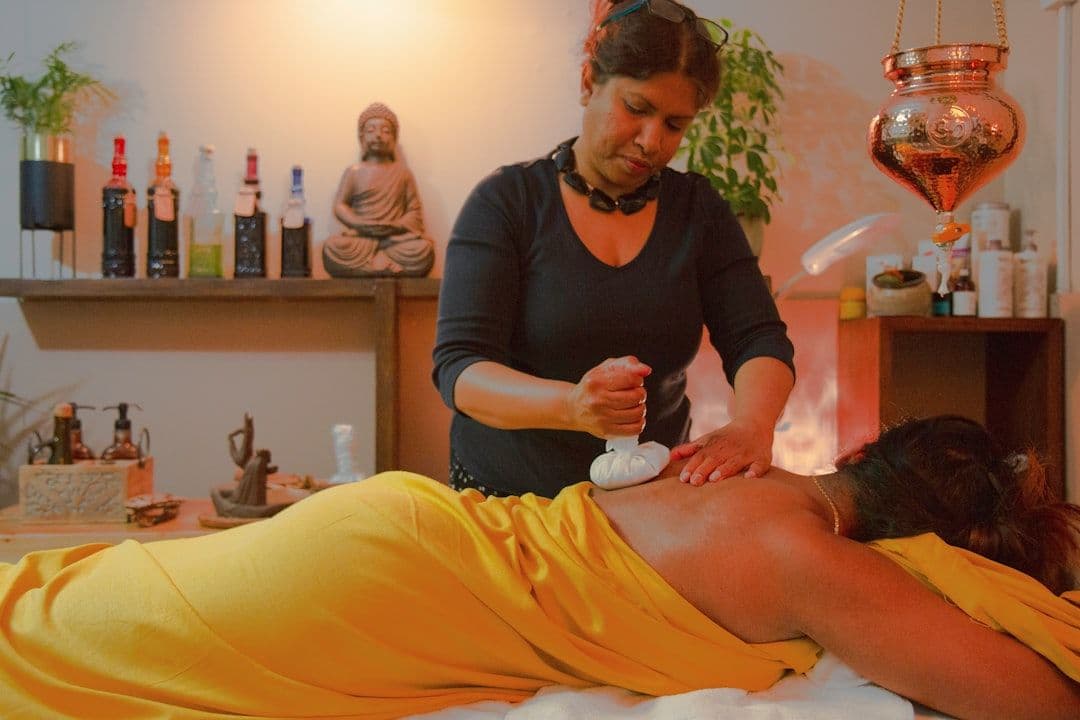
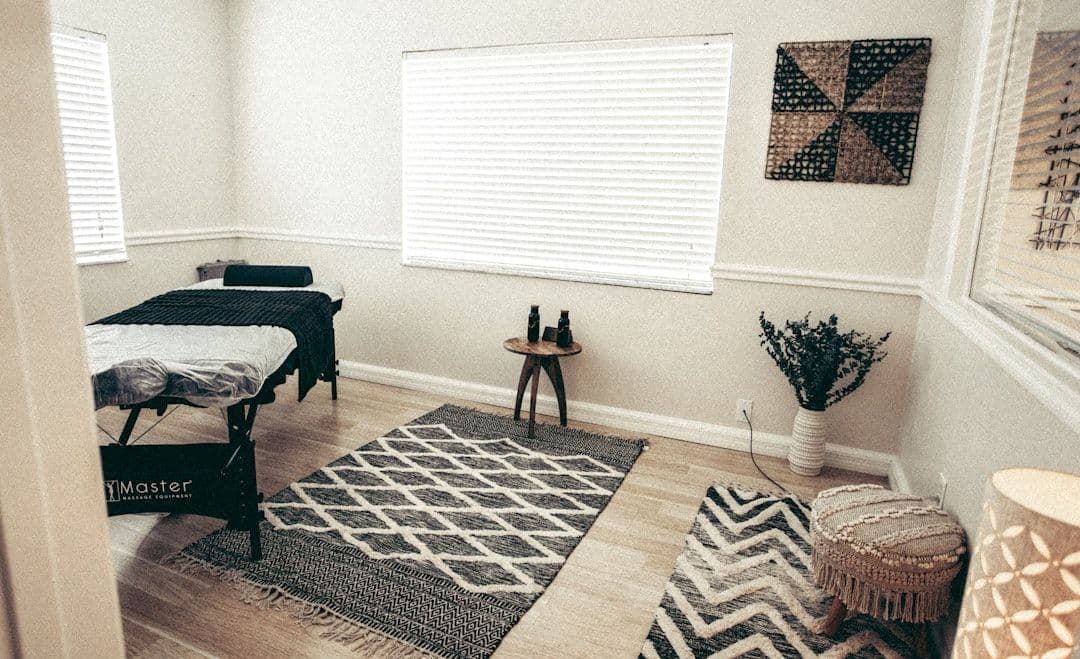
You'll begin lying face-down on a massage table in a quietly lit room, often with soft instrumental music playing. Your practitioner starts with several minutes of light, flowing massage strokes to help you settle and assess areas of tension. These initial movements are typically broader and more general than targeted massage therapy.
The session then alternates between periods of active massage and stationary hand placements. During massage phases, your practitioner uses techniques similar to Swedish massage — long strokes, gentle kneading, and circular movements focused on releasing muscle tension. The pressure is generally lighter than deep tissue work.
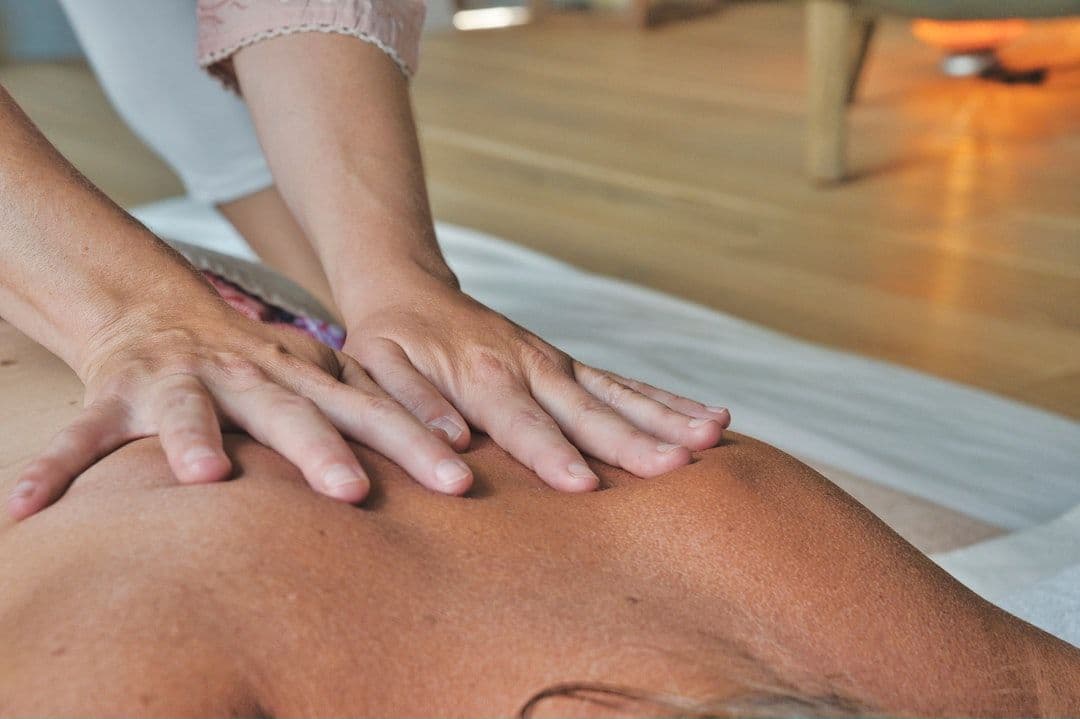
During energy work phases, the practitioner places their hands lightly on or slightly above specific body areas, remaining still for several minutes at each location. Common placement points include the head, shoulders, heart area, and lower back. You might feel warmth, tingling, or simply the weight of their hands during these moments.
After 30-45 minutes, you'll turn over and the process repeats on your front body. The practitioner may spend additional time on areas you've identified as problematic or where they sense tension. Sessions typically conclude with a few minutes of stillness whilst you rest.
What You Might Experience
Physical sensations vary considerably between individuals. Many people report feeling waves of warmth or coolness, particularly during the stationary hand placements. Some describe tingling, gentle pulsing, or a floating sensation. The massage component generally feels familiar if you've had previous bodywork.
Emotionally, deep relaxation is the most common response. Some people drift into a meditative state or light sleep. Occasionally, unexpected emotions may surface — perhaps old memories or feelings of sadness or joy that seem to arise spontaneously. Practitioners view this as part of the energetic release process.
After the session, most people feel deeply relaxed and slightly drowsy. This calm state can persist for several hours. Some individuals report feeling more energised instead, particularly by the following day. Mild aching in muscles that held significant tension is normal and usually resolves within 24 hours.
A small minority experience temporary intensification of symptoms they're addressing, such as increased muscle soreness or emotional sensitivity. Practitioners often interpret this as part of the healing process, though it typically subsides within a day or two.
Post-Session Care
Drink plenty of water over the following 24 hours to support your body's natural detoxification processes. Many practitioners recommend avoiding alcohol that evening and keeping caffeine intake light.
Plan for a gentle remainder of your day if possible. Avoid strenuous exercise or stressful activities for a few hours. Some people benefit from a warm bath with Epsom salts in the evening following their session.
Pay attention to your sleep patterns over the next few nights. Many people report deeper, more restful sleep, though occasionally the relaxation response may temporarily disrupt established sleep patterns as your nervous system recalibrates.
Keep notes about how you feel physically and emotionally over the following week. This information helps your practitioner adjust future sessions and can reveal patterns in how your body responds to the work.
Building a Treatment Programme
For general stress relief and wellbeing, monthly sessions often provide adequate support. Those addressing specific tension patterns or seeking deeper relaxation typically start with weekly sessions for 3-6 weeks before spacing appointments further apart.
Your practitioner will usually reassess after your third session to discuss whether the approach is meeting your expectations and whether any adjustments would be beneficial. Some people prefer more massage focus whilst others gravitate towards extended energy work portions.
Consider scheduling sessions during less hectic periods of your life when possible. The deep relaxation response integrates more effectively when you're not immediately returning to high-stress situations.
Maintenance sessions every 4-6 weeks work well for many people once they've established a good response pattern. Others prefer clusters of sessions during particularly challenging life periods followed by longer breaks. Discuss your preferences and budget openly with your practitioner to create a sustainable approach.