Before the Session: What to Expect
Before your first Scenar Therapy session, you might feel a mix of curiosity and mild uncertainty. What exactly will happen? Will it hurt? What should you wear? These are natural questions. The good news is that Scenar Therapy requires minimal preparation and is designed to be accessible and comfortable for most people.
When you book your appointment, your practitioner will ask about your medical history, current medications, any injuries or chronic conditions, and what brought you in. This conversation is crucial—it helps them understand your needs and ensures Scenar is safe and appropriate for you. Be honest about any ongoing treatments, surgeries, or implanted devices, as some contraindicate Scenar use.
On the day of your session, wear loose, comfortable clothing that allows easy access to the area being treated. If you are seeking help for your lower back, you may need to remove your top; for wrist or elbow issues, rolling up a sleeve suffices. There is no need to apply creams or lotions beforehand—in fact, clean, dry skin works best. Arrive hydrated and in a relatively calm state. Most practitioners will have you sit or lie down comfortably in a warm, quiet room, helping you settle into a relaxed frame of mind before the actual treatment begins.
Arriving and Setting the Scene
Walking into a Scenar Therapy clinic, you will likely notice a calm, soothing environment. Soft lighting, gentle music, and a warm temperature set the tone for relaxation. Your practitioner greets you warmly and takes time to listen—not rushing. This unhurried approach is part of the healing experience itself.
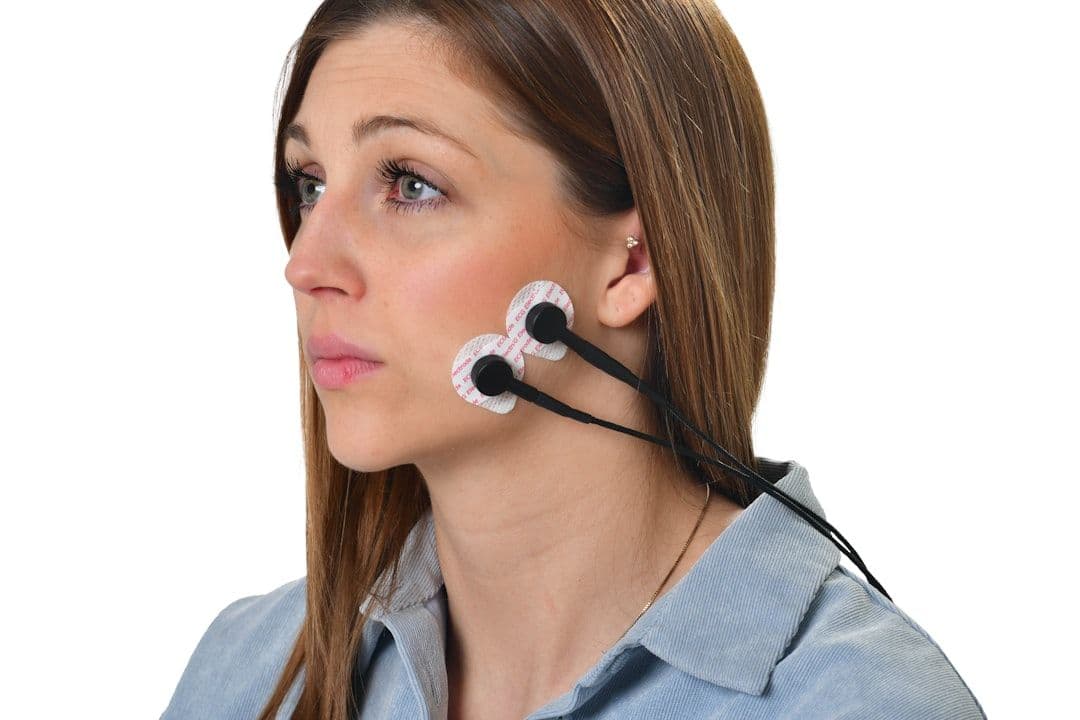
You will be invited to lie down on a padded treatment table or sit comfortably in a supportive chair, depending on which area is being treated. The practitioner may drape you with a blanket to maintain warmth and comfort, a thoughtful touch that helps you relax more deeply. They will briefly explain what they are about to do: using a handheld device called a Scenar unit, they will apply gentle electrical impulses to your skin. The device looks a bit like a small, smooth massage tool—nothing intimidating.
Before beginning, your practitioner may palpate the area to feel for muscle tension, tender points, or areas of concern. They are assessing not just where you hurt, but how your body is responding. This tactile connection—the simple act of being touched with attention and intention—often begins the relaxation process before the device is even switched on. You may notice your breathing deepening, your shoulders dropping, a sense of being held and supported. This moment, before the stimulation starts, is grounding and reassuring.
During the Session
As the Scenar unit touches your skin for the first time, you feel a gentle tingling sensation—not unpleasant, almost like a soft buzzing or mild vibration. Your practitioner moves the device slowly across the treatment area, pausing at certain points. The sensation is often described as warm, soothing, or like a gentle electric massage. Some people say it feels like tiny waves moving across their skin. The intensity is adjustable, and your practitioner will ask how it feels, making sure you are comfortable.
What is fascinating is how responsive the device is. The Scenar unit reads the body's electrical resistance and adjusts its output automatically—hence the term biofeedback. As it stimulates, it is quite literally having a conversation with your body's own healing systems. Your nervous system responds, and you might feel the sensation changing slightly from moment to moment. Some areas feel more sensitive than others, and the practitioner notes this, spending more time on areas that seem to need it.
During the 30-45 minute session, your mind often drifts into a meditative state. Time seems to slow. You might feel deeply relaxed, almost floating. Some people report that old tensions they did not even realize they were holding begin to ease. There is no pressure to think or do anything—just breathe and allow the treatment to unfold. Many practitioners work in silence or with very soft background music, honoring this quiet, introspective space. If your mind wanders, that is perfectly fine. You are held in a container of care.
How You May Feel Afterwards
As the session concludes and the practitioner sets down the device, you may experience a profound sense of calm and heaviness—the delicious feeling of deep relaxation. Your body feels nourished, your mind clear. Some people emerge feeling energized; others feel peaceful and sleepy. Both responses are normal and indicate that your nervous system has shifted into a more parasympathetic, healing state.
In the hours and days following your session, various sensations may unfold. Many people report reduced pain or stiffness in the treated area. A tightness that has been there for months might loosen. Mobility may improve—you bend down more easily, or your wrist feels lighter. Some experience a mild warmth or flushing in the treatment area for a few hours afterward, a sign of increased blood flow and local healing activity. A small number of people report temporary mild soreness, similar to mild delayed-onset muscle soreness after exercise, but this typically resolves within a day or two.
Beyond physical changes, many describe a lingering sense of wellbeing, improved sleep, reduced stress, and a subtle shift in how they relate to their body. The combination of the electrical stimulation, the relaxing environment, and the attentive care creates a holistic experience that touches more than just the pain point. Results vary—some people feel dramatic relief after one or two sessions, while others need several sessions before noticing significant change. Your practitioner will typically recommend a course of treatment and reassess your progress, adjusting as needed.
Is It Right for You?
Scenar Therapy may be worth exploring if you are living with chronic musculoskeletal pain—lower back pain, osteoarthritis, wrist discomfort, or nerve-related conditions like sciatica—and you are looking for a non-invasive, complementary approach. It is particularly appealing if you prefer not to rely solely on medication or if your current treatments are not giving you the relief you seek. It is also a good fit if you value holistic care that honors both body and mind.
However, Scenar Therapy is not a replacement for medical treatment, and it is not suitable for everyone. If you have a pacemaker or other implanted electronic device, active infections, open wounds, or serious undiagnosed pain, you should consult your doctor before trying Scenar. Pregnant women should also seek medical advice first. If you have severe pain or neurological symptoms, it is essential to have these evaluated by a healthcare professional to rule out serious underlying conditions.
Ultimately, Scenar Therapy is best viewed as one tool in a broader approach to health and healing. Combined with physiotherapy, exercise, ergonomic adjustments, medical care, and self-care practices, it may support your journey toward greater comfort and wellbeing. If you are curious, it is worth having a conversation with a qualified Scenar practitioner and your doctor to determine whether it is right for your particular situation. The experience itself—quiet, gentle, and attentive—may offer value even as you explore whether the modality addresses your specific needs.