Why Practitioners Choose This Modality
Many practitioners are drawn to Scenar Therapy because it bridges conventional bioelectrical science with hands-on, personalized healing. Unlike one-size-fits-all treatments, Scenar's biofeedback mechanism means each session adapts in real time to what the body is communicating. This responsiveness appeals to practitioners who value working with the body's intelligence rather than imposing a predetermined protocol.
From a practitioner's perspective, Scenar offers a non-invasive tool that generates tangible, measurable results without pharmaceutical intervention. The device's ability to self-regulate based on skin resistance creates a collaborative dynamic between practitioner, device, and client. Many find this elegant and effective for managing chronic musculoskeletal pain, nerve-related discomfort, and post-injury recovery.
Practitioners also appreciate that Scenar integrates well with other modalities—physical therapy, massage, nutrition, and conventional medical care all work synergistically alongside it. This versatility makes Scenar a valuable addition to any holistic practice, and it attracts practitioners committed to complementary, evidence-informed approaches.
What Clients Typically Experience
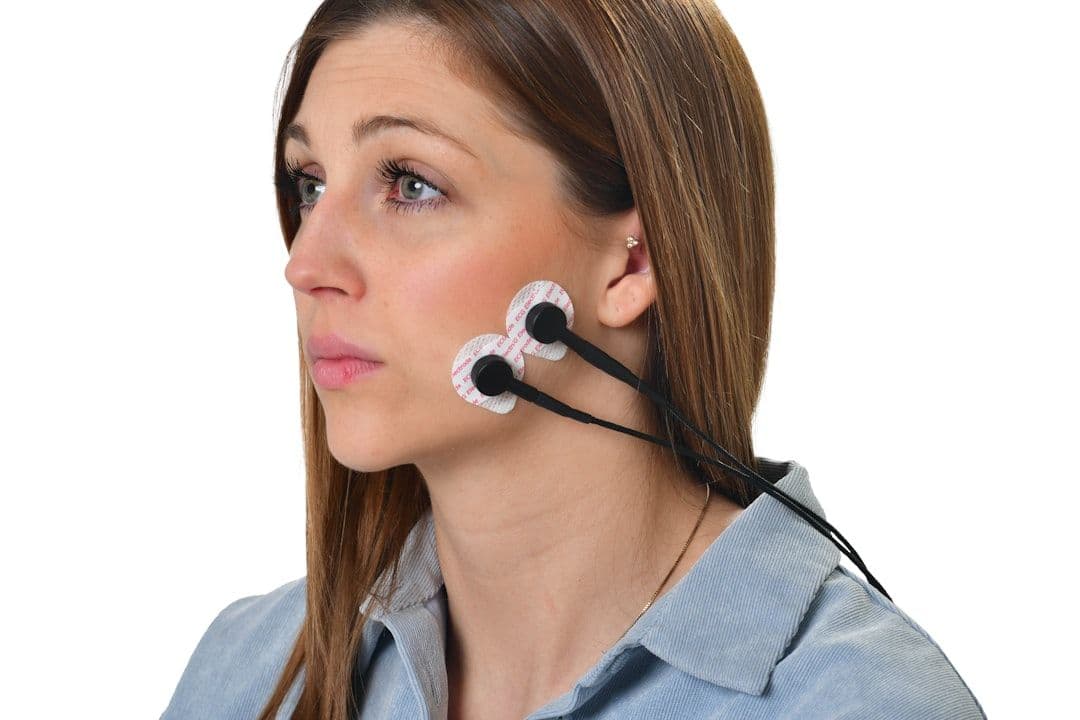
First-time clients often arrive with realistic expectations shaped by their practitioner's thorough explanation. During a session, most people describe a gentle tingling or mild prickling sensation as the handheld device moves across the treatment area. The sensation is adjustable, and many clients find it relaxing once they become accustomed to it.
In terms of outcomes, patterns emerge. Many clients report reduced pain or improved mobility within the first few sessions, though the timeline varies. Some experience immediate relief, while others notice gradual improvement over two to three weeks of consistent treatment. Practitioners often observe that clients with recent-onset conditions respond faster than those with long-standing, deeply embedded pain patterns.
Beyond pain reduction, clients frequently report improved sleep quality, reduced muscle tension, and better functional movement in the treated area. Some notice enhanced energy or a sense of restoration, possibly linked to reduced pain burden. However, practitioners emphasize that Scenar is not a miraculous cure; it supports the body's own repair process, which still requires time, consistency, and often complementary approaches like movement, rest, or physical therapy.
Client satisfaction depends heavily on clear communication about realistic timelines and the importance of completing recommended treatment courses. Those who understand that Scenar works best as part of a broader self-care strategy tend to experience the most satisfying outcomes.
Common Misconceptions
One widespread misconception is that Scenar works like a TENS unit. While both use electrical stimulation, Scenar's biofeedback-regulated approach is fundamentally different. TENS devices deliver a preset frequency and intensity regardless of body response, whereas Scenar continuously reads skin resistance and adjusts stimulation accordingly. This adaptive quality is what distinguishes the modality and contributes to its effectiveness.
Another misunderstanding is that Scenar provides instant, permanent relief. In reality, Scenar supports the body's healing response over time, and results require consistency. A single session may provide temporary pain reduction, but lasting change typically emerges after a series of treatments. This is not a limitation but rather a reflection of how biological repair actually works.
Some people assume Scenar is a replacement for medical care or that they should stop medications after starting treatment. This is incorrect. Scenar is explicitly complementary and should never be used to discontinue prescribed medical treatment. Always work with your healthcare provider and inform them of all therapies you're using.
Finally, there's sometimes a perception that Scenar is purely a pain-masking tool without true therapeutic value. Clinical observation and moderate evidence suggest otherwise: the biofeedback mechanism appears to stimulate genuine tissue repair and nervous system regulation, not merely numb or distract from pain. Understanding this distinction helps clients and practitioners approach the modality with appropriate expectations and respect.
Advice for First-Timers
Before your first Scenar session, do your homework. Research practitioners in your area, read reviews, and choose someone with recognized training and professional credentials. A qualified practitioner will take a thorough health history, explain the mechanism clearly, answer your questions without overpromising, and discuss realistic timelines for your specific condition.
Come to your first appointment well-hydrated and with clean skin in the treatment area. Wear comfortable clothing you can easily remove or adjust. Communicate openly with your practitioner about your pain levels, sensations during treatment, and any discomfort. The intensity should feel pleasant or neutral, never painful. Your feedback shapes the session in real time.
During treatment, try to relax and notice what you feel without judgment. Sensations vary from person to person and session to session. Some people feel immediate relief, others notice subtle shifts, and some feel nothing obvious during the appointment but experience improvement over the following days. All of these patterns are normal.
After your session, stay hydrated and avoid strenuous activity for a few hours if possible. Many practitioners recommend gentle movement or light stretching to reinforce the treatment's effects. Track how you feel over the next few days and discuss observations with your practitioner at your next visit.
Commit to a recommended course of treatment rather than judging effectiveness from a single session. Most conditions benefit from consistency—typically 8 to 12 sessions over several weeks. Be patient with the process, maintain realistic expectations, and remember that Scenar works best alongside other self-care practices: movement, adequate rest, stress management, and medical follow-up when needed.
When to Seek Additional Support
While Scenar can support pain management and recovery, certain situations require prompt professional medical evaluation. If you experience sudden onset of severe pain, numbness that spreads rapidly, loss of function, or signs of infection (warmth, redness, swelling at the treatment site), consult a doctor immediately. Scenar is not a substitute for urgent medical care.
If your condition worsens despite consistent Scenar treatment over four to six weeks, or if new symptoms develop, discuss this with both your Scenar practitioner and your primary care physician. Sometimes an underlying condition requires medical intervention that Scenar alone cannot address. Open communication between your care team is essential.
For chronic conditions with significant functional impact—severe osteoarthritis, advanced nerve compression, or post-surgical recovery—Scenar works best as part of a comprehensive approach. This might include physical therapy, medical management, lifestyle modifications, and specialist consultation. Practitioners should never encourage you to delay or avoid necessary medical care.
If you have pre-existing conditions such as cardiac issues, pregnancy, or implanted medical devices, consult your doctor before beginning Scenar Therapy to ensure it is safe for your individual circumstances. Your practitioner will also ask about these factors, but your healthcare provider has crucial context about your overall health.
Scenari Therapy is most effective when positioned as one tool among many in your healing toolkit. A responsible practitioner and client relationship involves knowing when to seek additional professional support and ensuring that Scenar complements rather than replaces necessary medical care.