When Words Fall Short
Sarah sits before a lump of grey clay, her fingers pressing into its surface without conscious direction. She's been in talking therapy for months since her accident, but the words never seem adequate for what lives in her body. Today, her hands carve hollows and build walls, creating something that looks nothing like what she intended — yet everything like how trauma feels.
Sculpture therapy operates from a simple premise: sometimes our hands know things our minds cannot yet speak. Unlike traditional art therapy that might focus on drawing or painting, this modality engages the entire body through the physical act of manipulating three-dimensional materials. Participants work with clay, stone, wood, wire, or found objects under the guidance of trained therapists who understand both the creative process and psychological healing.
The therapy doesn't require artistic skill or previous experience with sculpting. What matters is the willingness to let your hands explore whilst your mind follows where the process leads.
From Artist Studios to Therapy Rooms
Sculpture therapy emerged in the 1960s as part of the broader creative arts therapy movement, drawing inspiration from both psychoanalytic theory and the healing traditions of various cultures that have long recognised the therapeutic power of working with one's hands. Early practitioners noticed that clients often experienced breakthroughs when working three-dimensionally that didn't occur through verbal therapy alone.
The approach gained momentum as trauma research revealed how deeply emotional experiences are stored in the body. Pioneering therapists began incorporating sculptural work specifically for clients whose trauma seemed to resist traditional verbal processing. The tactile nature of sculpture provided a bridge between somatic experience and conscious awareness.
Today, sculpture therapy draws from multiple frameworks including psychodynamic, gestalt, and somatic approaches. Some practitioners integrate it with mindfulness-based techniques, whilst others work primarily within a psychoanalytic framework where the sculptures become transitional objects for exploring unconscious material.
How Touch Becomes Insight
The therapeutic mechanism operates on multiple levels. Neurologically, the act of working with malleable materials activates both hemispheres of the brain — the verbal, analytical left side and the spatial, intuitive right side. This bilateral activation can help integrate fragmented memories and emotions that trauma often leaves scattered.
Physically, the repetitive motions of kneading clay or carving wood can regulate the nervous system, moving clients out of fight-or-flight states into calmer, more receptive modes. The materials themselves provide sensory feedback that grounds participants in present-moment awareness whilst simultaneously allowing access to deeper emotional states.
Psychologically, the three-dimensional nature of sculpture mirrors how we experience ourselves and our relationships in space. Creating and manipulating objects can externalise internal experiences, making abstract feelings tangible and therefore more manageable. The finished pieces often reveal patterns, conflicts, or resources that weren't apparent through verbal exploration alone.
Crucially, the non-verbal nature of the medium bypasses cognitive defences that might block emotional processing in traditional therapy. Hands often begin creating before the mind can interfere with judgements or self-censorship.
Who Finds Healing Through Clay and Stone
Sculpture therapy particularly benefits individuals who feel stuck in verbal therapy or whose experiences seem to resist articulation. This includes many trauma survivors, especially those dealing with childhood abuse, accidents, or medical trauma where the body holds memories that words cannot capture.
People processing grief often find the physicality of shaping materials helps externalise the weight of loss in ways that feel more complete than talking alone. The permanence of sculptural work can provide a tangible container for complex emotions around death, relationship endings, or other significant losses.
Those exploring identity issues — whether related to gender, sexuality, cultural heritage, or major life transitions — may discover that three-dimensional exploration reveals aspects of themselves that hadn't emerged through other modalities. The ability to build, reshape, and rebuild mirrors the ongoing process of identity formation.
Individuals with autism or sensory processing differences sometimes find sculpture therapy more accessible than purely verbal approaches, as it honours different ways of experiencing and expressing internal states.
Inside a Sculpture Therapy Session
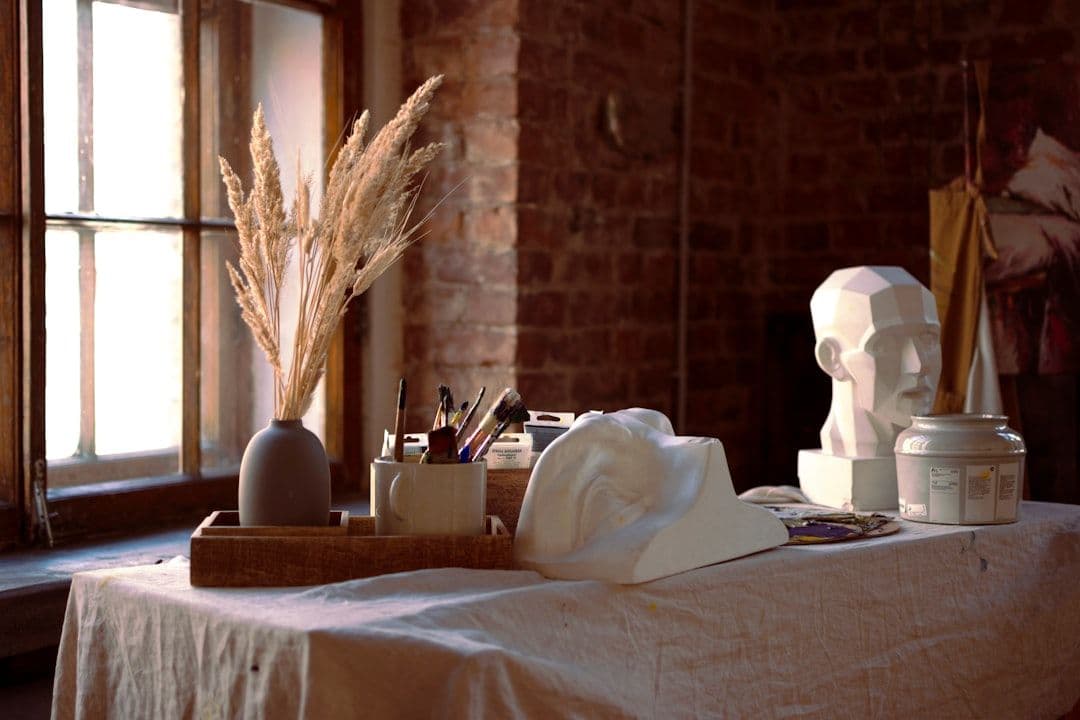
A typical session begins in a studio space equipped with various materials — clay is most common, but you might work with stone, wood, wire, or collected objects depending on your therapist's approach and your particular needs. The environment feels more like an artist's workspace than a clinical setting, designed to encourage exploration rather than perfection.
Initial sessions often involve simply getting acquainted with the materials. Your therapist might invite you to close your eyes and let your hands explore clay without any goal in mind. This helps bypass the internal critic and connects you with the sensory aspects of the work.
As pieces emerge, the therapist asks open-ended questions: "What's happening in this part of the sculpture?" "If this piece could speak, what might it say?" "How does it feel in your body when you create that shape?" These inquiries help bridge the physical creative process with psychological insight.
Sessions typically last 60-90 minutes, allowing time for both creation and reflection. Some therapists photograph your work over time, creating a visual record of your journey. Others might have you create a series of pieces around a particular theme or life experience.
The sculptures themselves aren't meant to be artistic masterpieces. They're documents of internal process — maps of emotional territory that might otherwise remain unexplored.
What the Research Reveals
Evidence for sculpture therapy remains in early stages, though initial findings are encouraging. A pilot study with veterans experiencing PTSD found that participants showed reduced trauma symptoms after eight weeks of sculpture therapy sessions, with particularly notable improvements in emotional numbing and hypervigilance.
Small-scale research with adolescents processing grief demonstrated that sculpture therapy participants showed greater improvements in depression scores compared to control groups receiving standard counselling alone. However, these studies involved fewer than 50 participants each, limiting broader conclusions.
Case study literature consistently reports that clients find sculpture therapy helpful for accessing and processing emotions that resist verbal expression. Therapists document particular success with individuals whose trauma occurred before language development or whose cultural backgrounds emphasise non-verbal communication.
The evidence base requires expansion through larger controlled trials before definitive clinical recommendations can be made. Current research focuses primarily on feasibility and safety rather than comparing effectiveness to established treatments.
Finding the Right Practitioner
Qualified sculpture therapists typically hold master's degrees in art therapy, creative arts therapy, or related fields, with specific training in three-dimensional approaches. In the UK, look for practitioners registered with the CNHC or who are members of the British Association of Art Therapists (BAAT).
Sessions typically cost £60-120 per hour, with some practitioners offering sliding scale fees. Most therapists recommend weekly sessions initially, moving to fortnightly or monthly as work progresses. The material costs are usually included in session fees, though some practitioners charge separately for firing clay pieces you wish to keep.
When choosing a therapist, enquire about their specific training in sculpture work — not all art therapists work three-dimensionally. Ask about their approach to trauma if that's relevant to your needs, and whether they integrate sculpture therapy with other modalities.
Some practitioners work in clinical settings like hospitals or mental health centres, whilst others operate in private studios. The environment should feel safe and spacious enough for three-dimensional work, with proper ventilation if working with materials that produce dust or fumes.
A consultation session can help determine whether this approach feels right for you before committing to longer-term work.