Preparing for Your Session
Wear comfortable clothes you don't mind getting dusty—clay leaves fine particles on fabric, and oils from sculptural materials can stain. Choose clothes with sleeves you can easily roll up. Remove rings and watches beforehand, as clay gets into crevices and can damage metal.
Eat something light beforehand. The physical engagement of sculpting can be surprisingly tiring, and an empty stomach might leave you feeling drained. Avoid alcohol for 24 hours prior, as it can dull the subtle emotional awareness that makes this work effective.
Bring a hair tie if you have longer hair, and consider bringing a small towel for your hands. Most studios provide aprons and cleaning facilities, but your own towel ensures comfort. You don't need to bring anything else—materials, tools, and guidance are provided.
The Session Unfolds
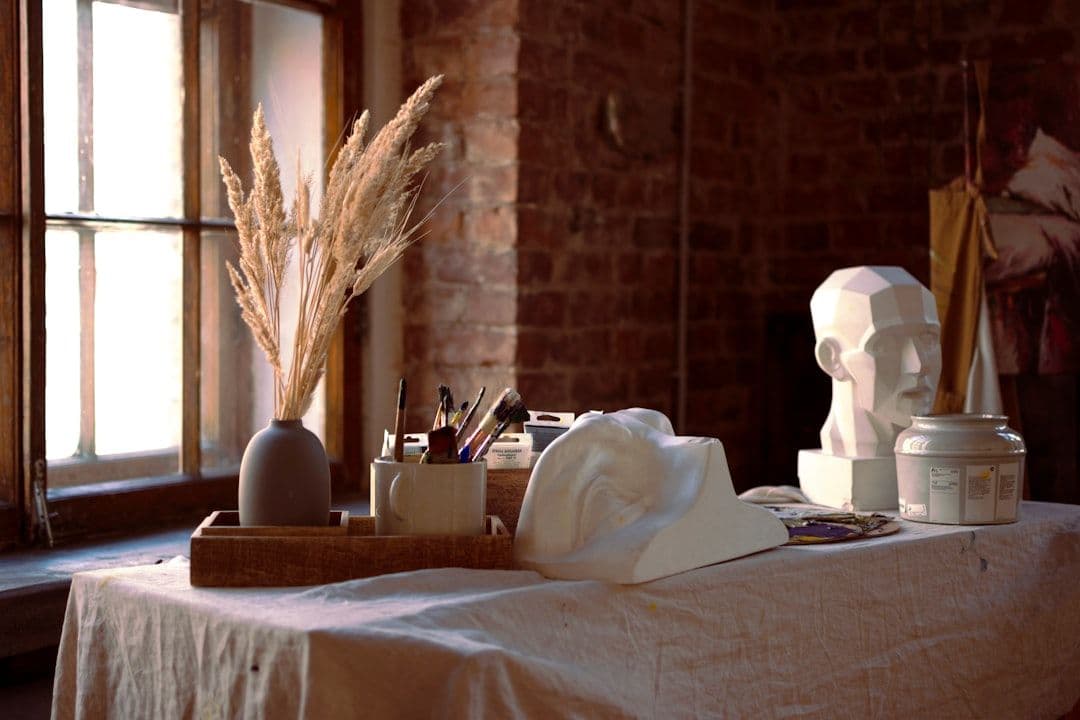
You'll begin with 10-15 minutes of conversation. Your therapist will check how you're feeling and may suggest a focus for the session—perhaps exploring a recent challenge or simply seeing what emerges. The room will smell earthy from clay and feel quiet, with natural lighting when possible.
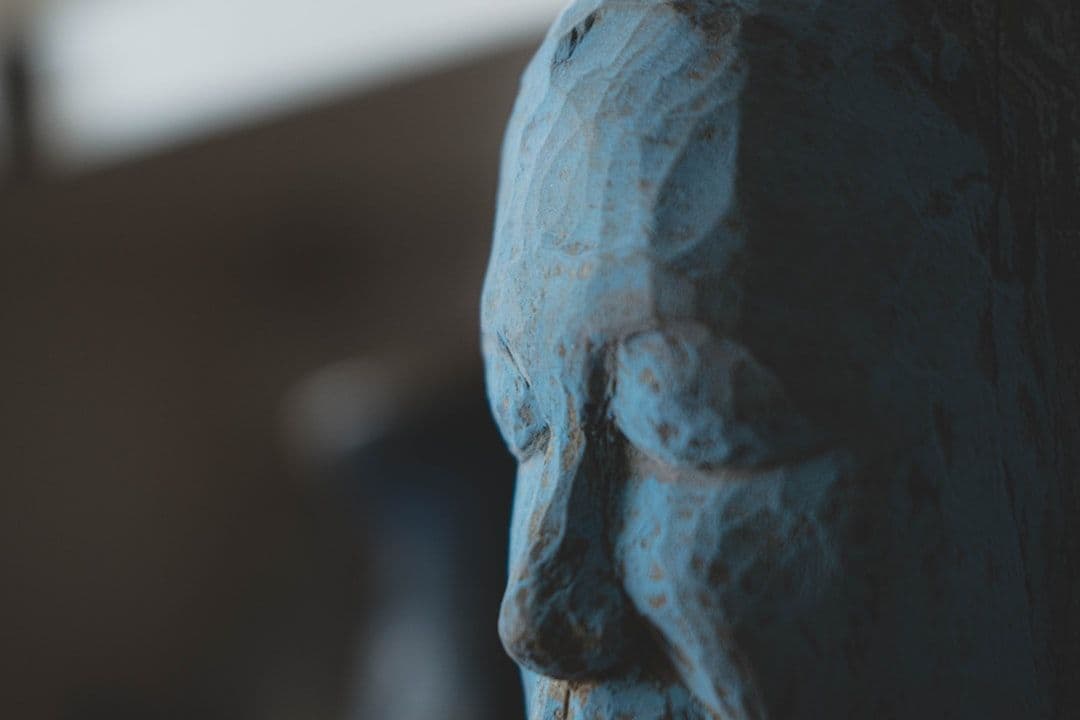
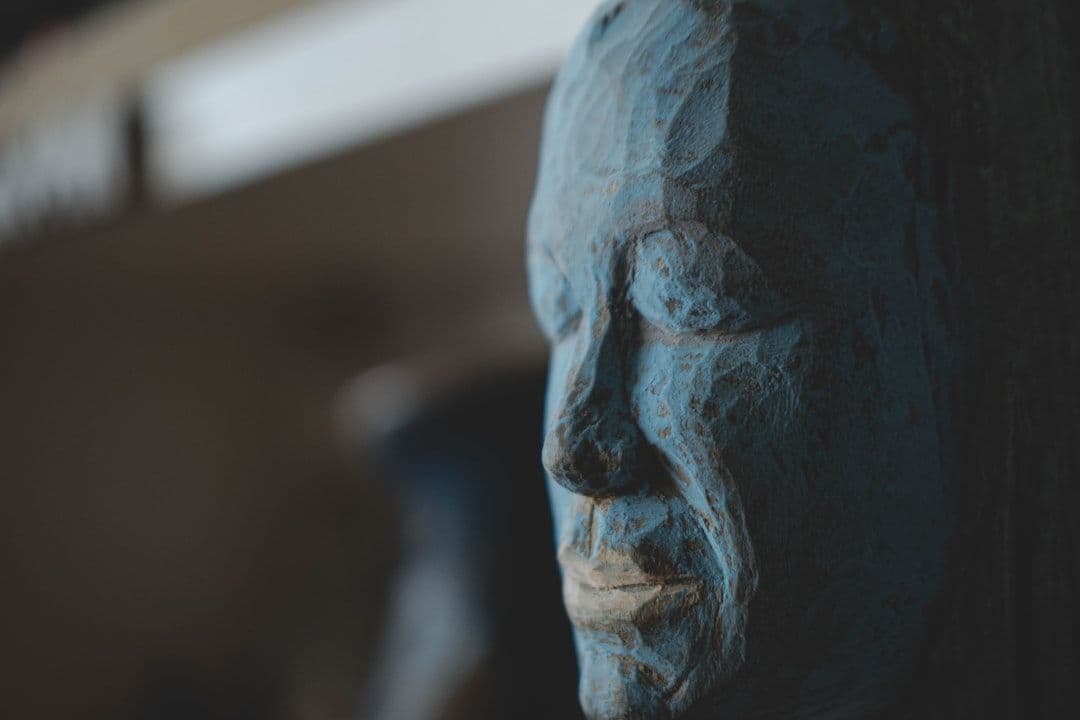
Material selection comes next. You might choose clay for its responsiveness, wood for its resistance, or mixed materials for complexity. Your therapist will explain the properties briefly: how clay yields to pressure, how it can be built up or carved away, how it holds the imprint of your touch.
The sculpting phase lasts 30-40 minutes. You'll likely start by simply handling the material, feeling its weight and texture. Some people begin with vigorous kneading or pounding, others with gentle exploration. Your therapist will sit nearby, occasionally asking open questions: "What's happening in your hands right now?" or "What does this shape remind you of?"
During this time, you might feel absorbed in the tactile experience. Your breathing may change as you work. Some people report losing track of time entirely, whilst others remain acutely aware of each moment. Both responses are normal.
The final 15-20 minutes involve reflection. You'll step back from your piece and discuss what emerged. Your therapist might ask about the process rather than the product: "How did it feel when you pressed hard into the clay?" or "What happened when you changed from building up to carving away?"
What You Might Experience
Physical sensations vary widely. Many people feel grounding through the weight and texture of materials. Your hands might feel more sensitive afterwards, retaining sense memory of the clay's coolness or wood's grain. Some experience muscle tension release in their hands, arms, or shoulders.
Emotional responses can emerge unexpectedly. You might feel calm focus, sudden sadness, or surprising anger. These feelings often connect to what you're working through, but not always in obvious ways. The abstract nature of sculpting can bypass conscious defences, allowing deeper feelings to surface.
Some people feel energised after sessions, whilst others feel emotionally drained. Both responses suggest the work is accessing something meaningful. You might find thoughts or images continuing to surface over the following days, or notice dreams becoming more vivid.
Not every session produces dramatic insights. Sometimes the value lies simply in the meditative quality of working with your hands, or in the satisfaction of creating something tangible during a period of life that feels formless.
Aftercare and Integration
Plan quiet time immediately after your session. Avoid rushing into demanding activities or difficult conversations. Many people benefit from walking outside or sitting quietly to let the experience settle.
Drink plenty of water. The physical and emotional work can be dehydrating, and clay dust may leave your mouth feeling dry. Gentle movement—stretching your hands and arms—helps your body integrate the session.
Keep a journal nearby for the following few days. Insights or memories may surface unexpectedly, and capturing them helps with integration. You don't need to force meaning-making, but recording what emerges can be valuable.
Avoid making major decisions for 24-48 hours if the session felt particularly intense. The emotional processing may continue below conscious awareness, and significant choices are best delayed until this settles.
The Therapeutic Arc
Most people begin with weekly sessions for 6-8 weeks, then move to fortnightly meetings as the work deepens. This allows time for integration between sessions whilst maintaining therapeutic momentum.
Early sessions often focus on building comfort with the materials and the process itself. You might spend time simply exploring different textures and tools without any particular goal. This foundation-building phase typically lasts 2-3 sessions.
The middle phase, sessions 4-8, usually sees deeper emotional material emerging. Your sculptures might become more complex or symbolic, and the reflection portions may yield significant insights. This is often when people report the most profound experiences.
Later sessions focus on integration and developing your own relationship with creative expression. Some people continue with monthly maintenance sessions, others complete the formal therapy but continue sculpting independently. Your therapist will discuss what feels right as your course progresses.