Before the Session: What to Expect
In the days leading up to your first singing bowl session, you might feel a mix of curiosity and mild nervousness—and that's entirely normal. Unlike some wellness practices, singing bowls require almost nothing of you except your presence and openness. There's no special clothing, equipment, or preparation needed. Some practitioners recommend avoiding heavy meals an hour or two before, as lying down on a full stomach can be uncomfortable. You might also avoid caffeine or stimulating activities beforehand if you're sensitive to them, though this is personal preference.
As the appointment time approaches, it can help to set a simple intention. This might be as straightforward as "I'm open to feeling calm" or simply "I'm here to rest." You don't need a grand spiritual framework; the intention is just a gentle anchor for your attention. Many first-timers wonder whether they need to meditate or do anything special mentally during the session. The answer is no. You don't need prior meditation experience or any particular mindset. Your only job is to show up and listen.
Arriving and Setting the Scene
When you arrive, the space itself often signals that something different is about to happen. A singing bowl practice room is typically quiet, dimly lit, and warm—sometimes with soft lighting, perhaps candles or salt lamps. The air might carry gentle aromatherapy notes. You'll be invited to lie on a comfortable mat, yoga mat, or cushioned floor space, usually fully clothed and with a pillow for your head. Some practitioners offer blankets; don't hesitate to ask for one if you feel cold, as your body temperature can drop during deep relaxation.
Your practitioner will likely spend a few moments explaining what's about to happen, answering questions, and asking whether you have any physical sensitivities or injuries they should know about. This conversation is grounding—it tells your nervous system that you're in a safe, attentive space. You might be asked to take a few deep breaths together, or to simply settle into stillness. Some practitioners dim the lights further or use soft background music; others prefer silence before the bowls begin. As you settle, you might notice your mind is still active, perhaps running through your day or worries. That's okay. There's no "right" mental state for this practice.
During the Session
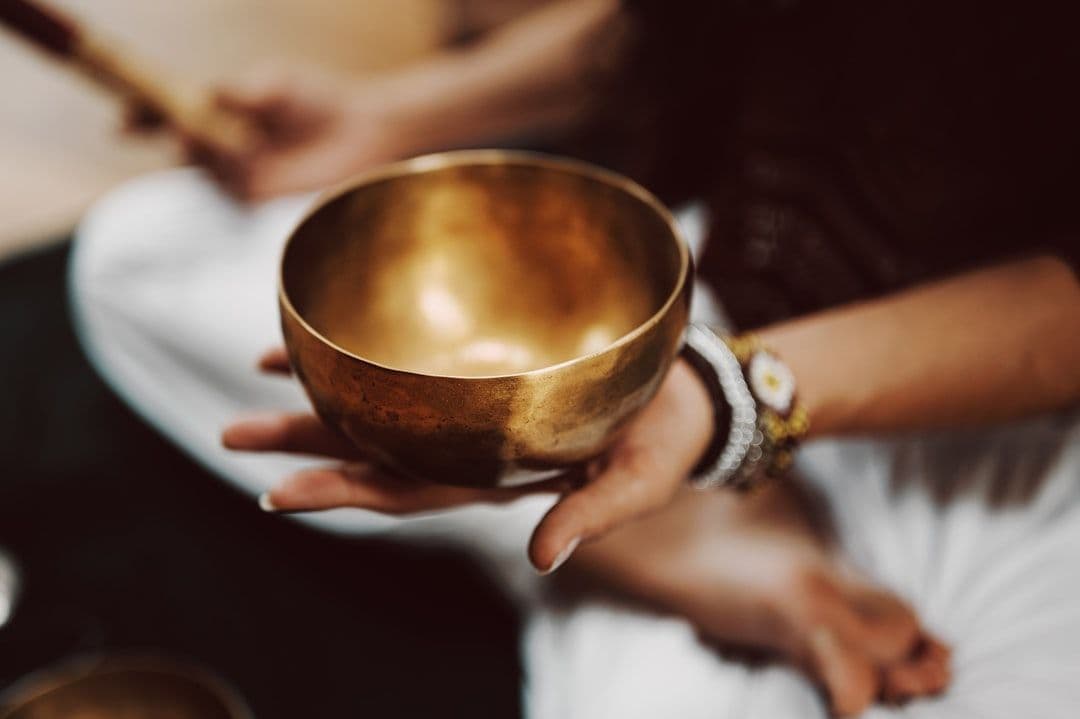
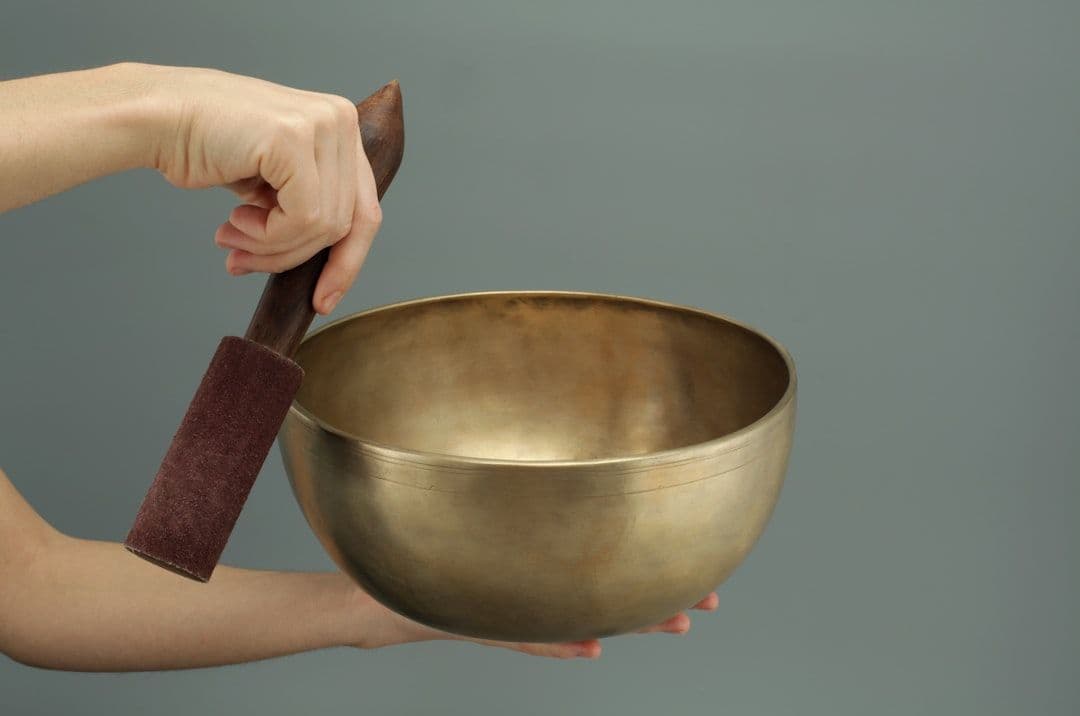
The moment the first bowl is struck, something shifts. The sound arrives not just through your ears but as a felt experience throughout your body. If you've never heard a singing bowl before, the tone is difficult to describe—it's complex, slightly otherworldly, often with multiple frequencies layered together. The initial strike produces a clear note that then seems to shimmer and evolve, almost as if the sound is breathing.
As the session unfolds, you enter a state that feels quite different from your normal waking awareness. Time becomes hazy. Minutes pass without you noticing them. Your mind, which may have been chatter moments before, begins to settle. Some describe this as thoughts moving further away, as if they're happening in a distant room. Others notice their mind becoming quieter, less insistent. Your body might feel heavier—not in an uncomfortable way, but as though gravity has gently increased, anchoring you to the mat.
Physically, sensations vary. Many people feel the vibrations in their chest or belly, particularly with larger bowls. Some sense warmth or tingling. Others notice their shoulders or jaw relaxing, perhaps releasing tension they didn't realize they were holding. A few people experience gentle waves of emotion—sadness, relief, or unexpected joy. This is not unusual and is often understood as the body releasing stored tension. Some practitioners move the bowls to different positions, creating a journey of sound around your body. Others focus on specific areas of discomfort if you've mentioned them. The rhythm and spacing of the sounds create an almost hypnotic effect; you're rarely jolted or startled—instead, each new sound feels like a continuation of what came before.
How You May Feel Afterwards
As the session closes—often with a final, extended note that slowly fades—you may be invited to lie still for a moment, simply absorbing the silence that follows. Some people describe this silence as the most profound part, a spaciousness that feels rare in everyday life. When you're guided to return to normal awareness and gently open your eyes, the transition can feel surprisingly slow. Your body might feel heavy; movement might feel unrushed, almost dreamlike.
The most common immediate experience is profound calm. Many people describe feeling deeply relaxed, as though they've just woken from a long, restful sleep, even if the session lasted less than an hour. Some feel emotionally open or quiet inside—a peaceful sense of groundedness that can last for hours. Your mind often feels clearer, lighter, with everyday worries seeming less urgent or intrusive. A few people experience what's sometimes called a "sound hangover"—a dreamy, slightly disconnected feeling that gradually wears off over the next hour or two.
In the hours and days following, you might notice sleep is deeper or easier. Anxiety that had been present may feel more manageable or distant. Tension headaches sometimes ease. If you've been feeling emotionally overwhelmed or disconnected, a small shift toward balance may become apparent. Some people feel these effects acutely after a single session; others notice them building subtly over multiple visits. It's also possible you'll feel relaxed but without obvious life changes—this doesn't mean the practice isn't working; it may simply mean you're responding in a quieter, more gradual way.
Is It Right for You?
Singing bowls are a gentle, non-invasive practice that many people find supportive alongside their broader wellness and healthcare routines. They may be especially valuable if you experience anxiety, sleep difficulties, or feel caught in cycles of stress and tension. If you're recovering from burnout or navigating a challenging life transition, the meditative sound environment can provide a much-needed space for rest and reflection. If you carry tension in your body—particularly in your head, neck, or shoulders—the gentle vibrations and the relaxation that follows may help ease some of that holding.
That said, singing bowls are not a replacement for medical care. If you have serious anxiety, persistent insomnia, chronic pain, or any health condition, working with a qualified healthcare provider remains essential. Singing bowls work best as part of a holistic approach that might include medical treatment, therapy, exercise, and other wellness practices. If you've experienced trauma with auditory sensitivities, or have conditions that make prolonged lying down uncomfortable, mention this to a potential practitioner before booking.
Ultimately, singing bowls are most valuable for people who are curious, willing to rest, and open to the possibility that sound and vibration might shift something subtle within them. There's no "correct" way to respond; your own experience—whether profoundly relaxing, gently settling, or quietly supportive—is what matters. If the practice resonates with you, consistency often deepens the benefits over time.