What Is Singing Bowls?
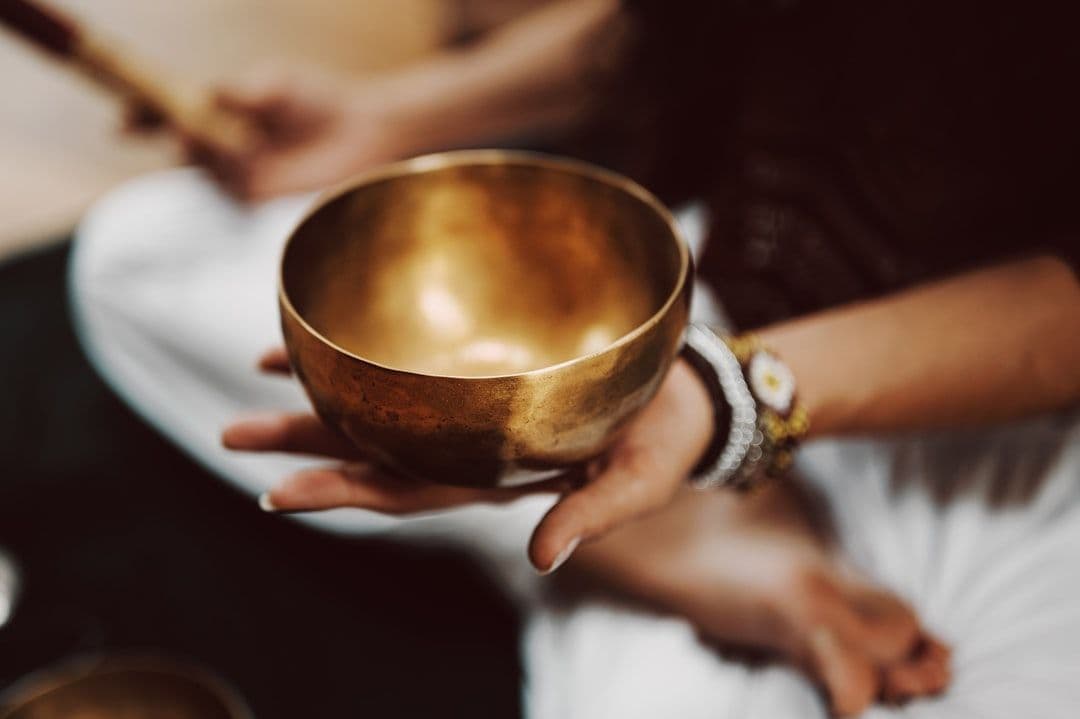
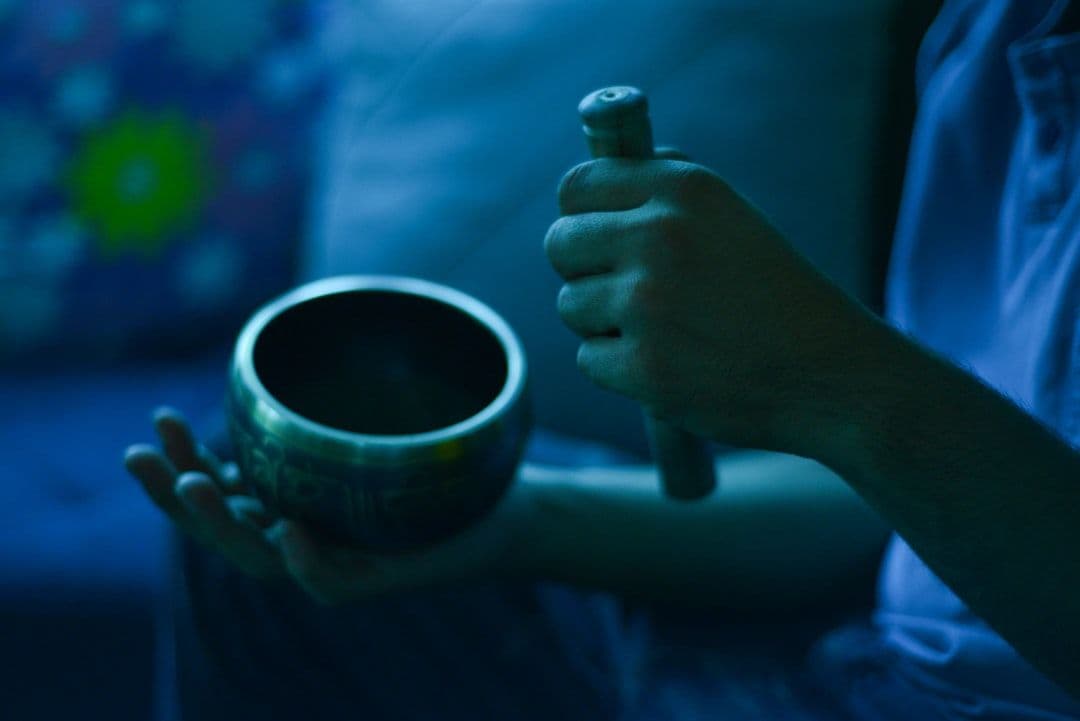
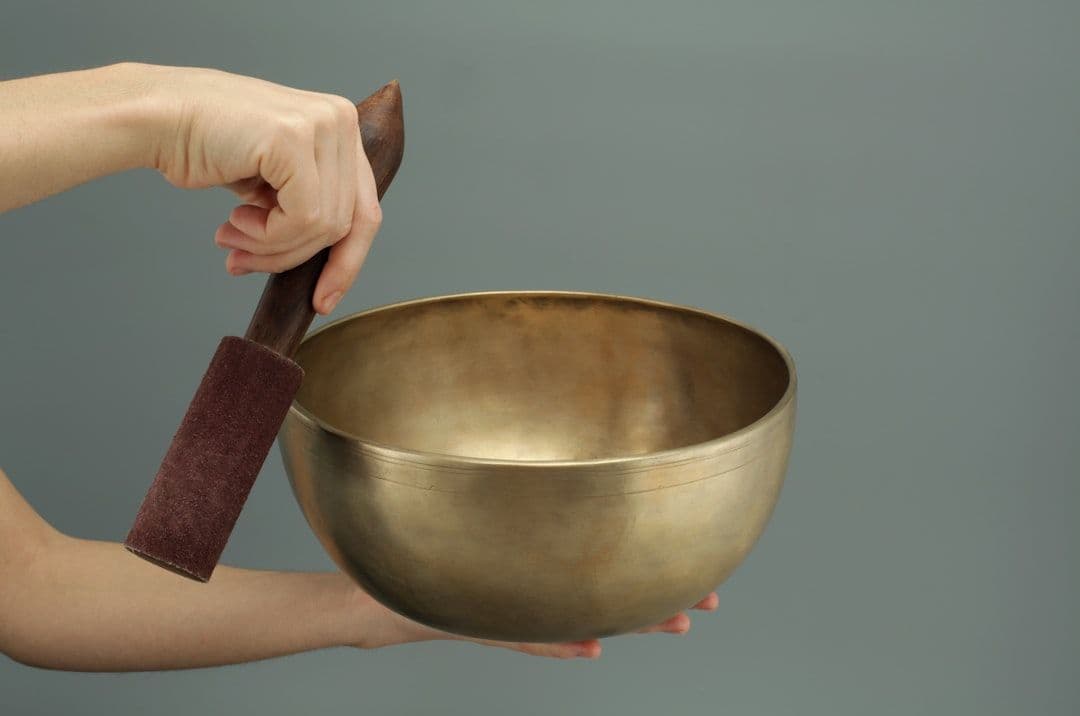
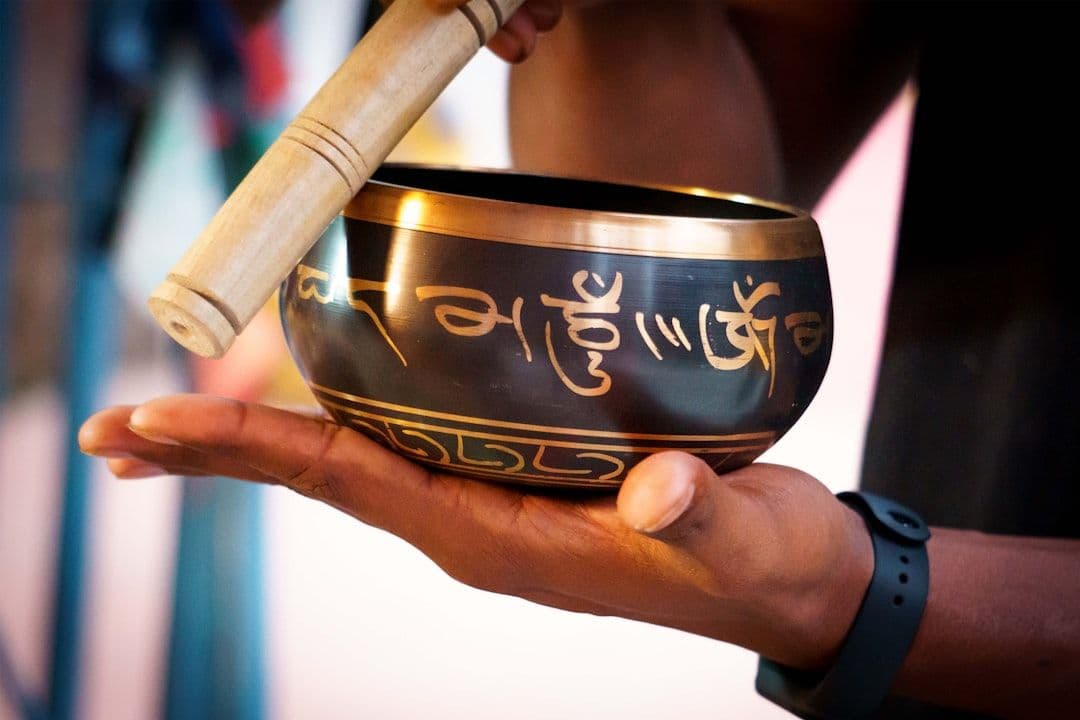
Singing bowls are metal vessels, typically made from bronze, brass, or a blend of metals, that produce sustained harmonic tones when struck with a mallet or played by running a mallet around the rim. Originating in ancient Tibetan and Himalayan Buddhist traditions, singing bowls have been used for centuries in meditation, ritual, and healing practices. In modern holistic wellness, singing bowls are used as a sound-based relaxation tool. Each bowl produces multiple overtones—layered frequencies that create rich, resonant sounds. When played, these vibrations are said to promote deep relaxation and support emotional and physical wellbeing. Today, singing bowls are integrated into complementary wellness settings including yoga studios, meditation centers, spa environments, and private sound therapy practices. They are valued not as medical devices but as tools to support relaxation and mindfulness alongside other wellness approaches.
How Does It Work?
Singing bowls are believed to work through several mechanisms. When played, the bowls produce sustained harmonic frequencies that can influence brainwave activity, potentially inducing a theta brainwave state associated with deep relaxation and meditation. The vibrations are not only heard but can be felt by the body, particularly if bowls are placed near or on the body during a session. This combination of auditory and tactile stimulation is thought to activate the parasympathetic nervous system—the body's natural relaxation response. The harmonic frequencies may help calm mental chatter, reduce muscle tension, and shift attention away from stress or discomfort. Some practitioners describe the experience as entrainment, where the body's rhythms synchronize with the bowl's vibrations. While the mechanisms are not fully understood scientifically, moderate evidence suggests that listening to singing bowl sounds promotes measurable relaxation responses including reduced heart rate, lower cortisol levels, and improved mood. The experience is deeply personal; some feel profound calm, while others experience subtle shifts in awareness or emotional release.
What Does a Session Involve?
A singing bowl session typically begins with a brief consultation where the practitioner learns about your wellbeing, intentions, and any health concerns. You will be guided to sit or lie down in a comfortable position, usually in a quiet, dimly lit room. Some practitioners may incorporate breathwork, visualization, or guided meditation before or during the session. The practitioner then begins playing the bowls, striking them gently or running a mallet around the rim to create sustained tones. Bowls may be positioned around your body or held near specific areas. The sounds fill the space, and you are invited to simply listen and relax, allowing your mind to settle. Some sessions include multiple bowls of different sizes, each producing different frequencies. Sessions typically last 30 to 60 minutes. During this time, many people experience a state of deep relaxation, peaceful quietness, or gentle emotional release. After the session, you may feel deeply calm, grounded, or sometimes emotional as the body releases tension. A good practitioner will allow time for integration afterward and may offer water or a quiet space to rest.
Who May Benefit?
Singing bowls may benefit a wide range of people, though they are not appropriate for everyone. People seeking stress relief and relaxation support often find singing bowl sessions helpful. Those experiencing occasional sleep difficulties, restlessness, or racing thoughts may benefit from the calming effect of sustained harmonic tones. Individuals managing mild to moderate anxiety or physical tension may use singing bowls as part of a complementary wellness routine. People in recovery from burnout or chronic fatigue may find the meditative sound environment supportive for nervous system repair. Those interested in deepening meditation, mindfulness, or spiritual practice often incorporate singing bowls into their routine. Individuals who are already engaged in complementary wellness—such as yoga, acupuncture, or massage—may combine singing bowls with these practices for enhanced relaxation. Importantly, singing bowls are a complementary tool, not a replacement for medical care. Anyone with serious mental health conditions, chronic medical issues, or significant sleep disorders should consult a healthcare provider. Singing bowls work best for people with realistic expectations who understand they are part of a broader wellness approach.
What Does the Evidence Say?
The evidence base for singing bowls is moderate and emerging. Several peer-reviewed studies have examined the effects of singing bowl meditation on stress, anxiety, sleep, and overall wellbeing. Research published in the Journal of Evidence-Based Complementary and Alternative Medicine found that singing bowl meditation was associated with reduced stress, decreased anxiety, and improved mood in a group of adults. Participants reported significant relaxation during and after sessions. Studies using heart rate variability and cortisol measurements have documented physiological relaxation responses following singing bowl sessions. However, most studies are relatively small in sample size and may have limitations in study design. Larger, more rigorous clinical trials are needed to fully establish efficacy for specific conditions. Evidence is strongest for subjective wellbeing outcomes—people's self-reported relaxation and mood—rather than for treating diagnosed medical conditions. The evidence does not support singing bowls as a cure or treatment for any disease. Instead, moderate evidence supports them as a complementary tool to promote relaxation and support stress management. Professional bodies including sound therapy organizations and some integrative medicine centers recognize singing bowls as a legitimate complementary practice when provided by trained practitioners. If you have a serious condition, consult a healthcare provider before relying on singing bowls as part of your care.
Safety and Considerations
Singing bowls are generally safe for most people when delivered by a trained practitioner in appropriate settings. However, certain populations should take precautions. People with severe hearing sensitivity or auditory processing disorders should discuss singing bowl sessions with an audiologist or healthcare provider before attending, as sustained loud frequencies could be uncomfortable. Those who have had recent head, neck, or spinal surgery should consult their surgeon before attending, as vibrations may affect healing. Individuals with pacemakers or other electrical implants should inform the practitioner beforehand, though singing bowls themselves do not produce electromagnetic fields that typically interfere with devices. People with a history of epilepsy triggered by sound or rhythm should seek medical clearance, as harmonic frequencies could theoretically trigger an episode in susceptible individuals. Pregnant individuals should consult their healthcare provider before attending singing bowl sessions, particularly in the first trimester. Those with severe psychiatric conditions—such as untreated psychosis, severe depression, or dissociative disorders—should seek professional guidance, as deep relaxation or emotional release during sessions could be destabilizing without proper support. Singing bowls are absolutely not a substitute for medical diagnosis, treatment, or emergency care. If you experience worsening anxiety, suicidal thoughts, or serious physical symptoms, seek immediate medical attention rather than relying on complementary practices.
How to Find a Qualified Practitioner
Finding a qualified singing bowl practitioner requires some research and discernment. Start by seeking practitioners with formal training in sound therapy, singing bowl practice, or related disciplines from recognized schools or training organizations. Ask about their credentials and how many hours of training they completed. Look for practitioners who are affiliated with professional bodies such as the International Association of Sound Therapy Practitioners, the National Board of Certification for Animal Acupressure and Massage, or regional holistic health associations. Professional affiliations often indicate adherence to ethical standards and continued education. Read reviews and ask for references from previous clients. A good practitioner will be transparent about what singing bowls can and cannot do, will not claim to cure conditions, and will encourage you to continue working with your healthcare provider for medical issues. During an initial consultation, observe whether the practitioner listens carefully to your needs, asks relevant health questions, and discusses any contraindications. Be cautious of practitioners who guarantee results, suggest you stop medical treatment, or claim singing bowls treat serious diseases. A qualified practitioner will discuss how singing bowls complement other wellness approaches and will recommend medical evaluation if symptoms persist or worsen. Many yoga studios, wellness centers, and spas now offer singing bowl sessions; check whether the facilitator has formal training. Personal recommendation from trusted friends or healthcare providers can also help you find a reputable practitioner in your area.