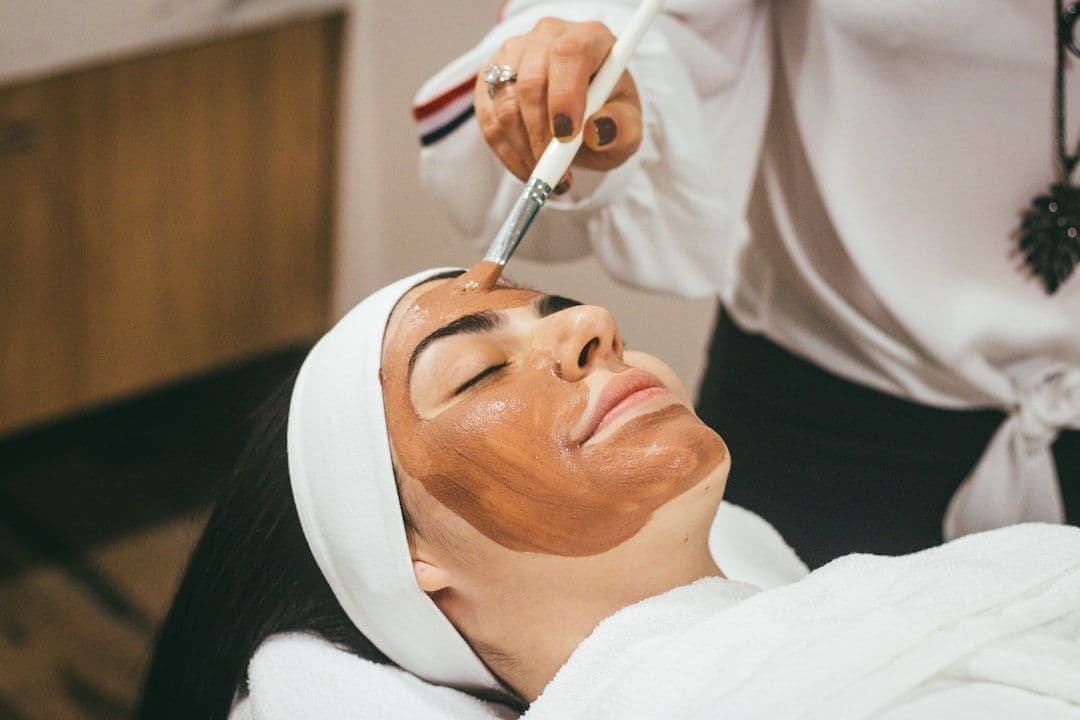
The Evidence Landscape
The research landscape for therapeutic skin treatments reflects the field's diversity. Chemical peels, retinoids, and laser therapies benefit from decades of clinical investigation, including randomised controlled trials with hundreds of participants. The American Academy of Dermatology and British Association of Dermatologists have published evidence-based guidelines for many of these interventions.
Botanical and newer cosmeceutical ingredients present a different picture. Whilst vitamin C, niacinamide, and peptides have accumulated moderate research support through controlled studies, many plant extracts and novel compounds rely primarily on in vitro research and small clinical trials. The cosmetic industry's rapid innovation often outpaces rigorous clinical validation.
Professional treatments such as microdermabrasion and LED therapy occupy a middle ground. Several systematic reviews have evaluated these modalities, though study quality varies considerably. Many trials suffer from small sample sizes, short follow-up periods, and inconsistent outcome measures.
Key Research Findings
Chemical peels demonstrate the most robust evidence base. A 2019 systematic review of glycolic acid peels found consistent improvements in acne, melasma, and photoageing across multiple trials involving over 800 participants. Trichloroacetic acid peels show similar efficacy for deeper skin concerns, with studies documenting 40-60% improvements in fine lines and pigmentation.
Retinoids remain the gold standard for anti-ageing treatments. Multiple meta-analyses confirm their effectiveness for reducing fine lines, improving skin texture, and addressing acne. Tretinoin studies consistently show benefits, with one landmark 48-week trial of 556 participants demonstrating significant improvements in photoageing compared to placebo.
For botanical ingredients, the evidence becomes more selective. Vitamin C studies show promise for antioxidant protection and collagen synthesis, though formulation stability affects results. Niacinamide has accumulated solid evidence for reducing sebum production and improving barrier function, with several well-designed trials supporting its use in acne management.
Professional treatments show variable results. Microneedling demonstrates moderate evidence for acne scarring and skin texture, with studies showing 25-50% improvements in scar appearance. LED therapy research remains mixed, with some studies suggesting benefits for acne and wound healing, whilst others show minimal effects.
Evidence Limitations and Gaps
Several factors limit the strength of skin treatment research. Many studies last only 8-12 weeks, insufficient to assess long-term benefits or safety. Sample sizes often remain small—particularly for newer treatments—limiting statistical power and generalisability.
Blinding presents unique challenges in dermatological research. Participants often recognise active treatments by skin reactions, potentially influencing self-reported outcomes. Many studies rely on subjective assessments rather than standardised objective measures, introducing bias.
Publication bias affects the field significantly. Positive results from cosmetic companies' research appear more frequently in the literature than negative findings. Independent replication of promising results remains uncommon, leaving many claims inadequately validated.
Personalisation represents another major gap. Most studies test treatments on heterogeneous populations without considering skin type, genetic factors, or individual response patterns. This one-size-fits-all approach may explain why identical treatments produce varying results across individuals.
What the Evidence Supports
Current research strongly supports several therapeutic approaches. Chemical peels and retinoids have established efficacy for photoageing, acne, and hyperpigmentation. Professional microneedling shows reliable benefits for acne scarring. Basic skincare principles—gentle cleansing, moisturising, and sun protection—have overwhelming evidence support.
Moderate evidence exists for vitamin C serums, niacinamide formulations, and certain peptides. These ingredients show consistent benefits in multiple small to medium-sized trials, though large-scale validation remains limited.
Many popular botanical extracts and novel ingredients lack sufficient clinical evidence. Green tea, hyaluronic acid, and various plant oils show promise in preliminary studies, but robust clinical proof remains absent. The evidence often comes from laboratory research or very small human studies that don't meet the standards for clinical recommendations.
Personalised approaches based on skin type analysis show promise but require more research. The emerging field of skincare genomics may eventually provide better treatment selection, though current evidence remains preliminary.
Future Research Directions
Several research priorities could strengthen the evidence base. Long-term safety and efficacy studies are essential, particularly for newer treatments and combination protocols. Most current research follows participants for weeks or months, but skin treatments are often used for years.
Standardised outcome measures would improve research quality significantly. The field needs validated scales for assessing skin texture, barrier function, and treatment satisfaction. Objective measurement tools, including high-resolution imaging and biomarker analysis, could reduce subjective bias.
Personalised treatment research represents the most promising frontier. Studies examining how genetic factors, microbiome composition, and skin phenotype influence treatment response could revolutionise therapeutic selection. Machine learning approaches to predict individual treatment outcomes are beginning to emerge.
Comparative effectiveness research remains surprisingly limited. Head-to-head trials comparing popular treatments could help practitioners and patients make evidence-based choices. Cost-effectiveness analyses would further inform treatment decisions in both clinical and cosmetic contexts.