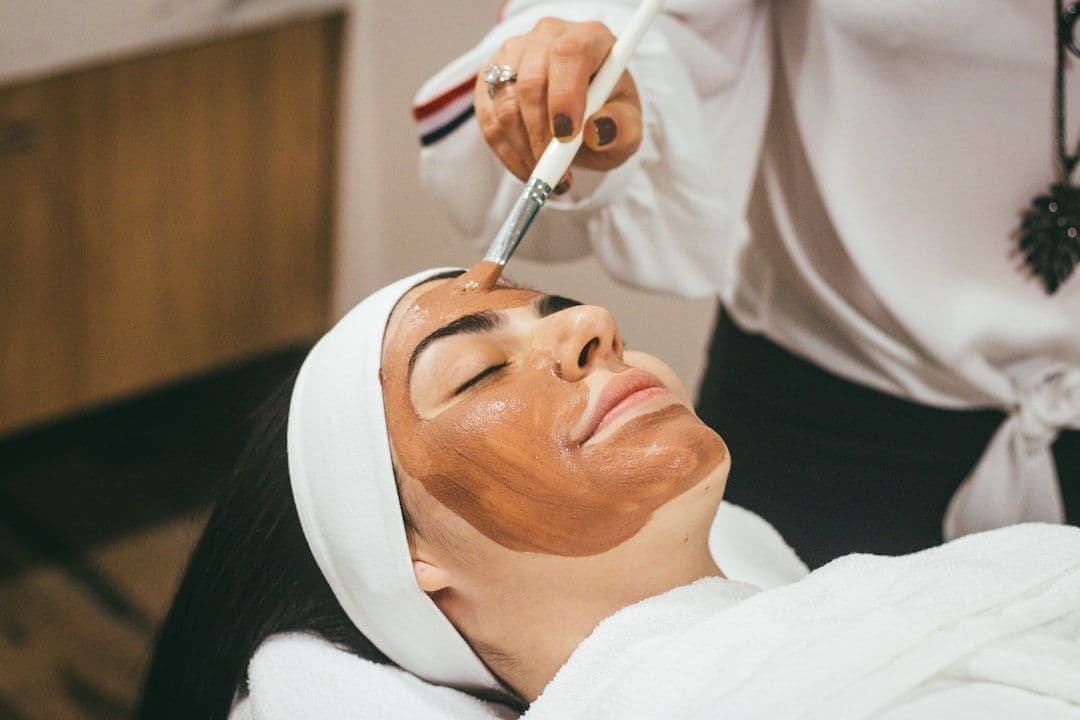
What Professional Skin Treatment Actually Involves
Walk into a professional treatment room and you'll encounter an array of approaches that would have puzzled dermatologists just decades ago. Modern skin treatment has evolved far beyond the simple facial, encompassing everything from micro-needling and LED therapy to botanical-based treatments and customised skincare protocols.
At its core, professional skin treatment involves systematic intervention to address specific skin concerns through targeted techniques. This might mean a series of chemical peels to address sun damage, specialised extraction methods for persistent blackheads, or carefully formulated treatment masks designed for reactive skin types. The practitioner's skill lies in assessment—understanding not just what the skin looks like today, but how it responds to different stimuli and what underlying factors might be contributing to current concerns.
What distinguishes professional treatment from home skincare is the combination of clinical-grade techniques with individualised protocols. Practitioners can access stronger concentrations of active ingredients, employ methods that require professional oversight, and adapt treatments in real-time based on how the skin responds.
From Ancient Rituals to Modern Science
Skin treatment traditions stretch back millennia, with evidence of cosmetic and therapeutic practices in ancient Egypt, Greece, and Asia. Egyptian women used honey and milk treatments, whilst traditional Chinese medicine developed elaborate facial massage techniques believed to promote both beauty and health. Many contemporary botanical ingredients—from rose hip oil to green tea extracts—have roots in these traditional practices.
The modern profession emerged in early 20th-century Europe, where aestheticians began formalising techniques and establishing training standards. Post-war developments in dermatology introduced chemical peels and more sophisticated understanding of skin physiology, whilst the 1980s and 1990s saw the rise of medical aesthetics as a distinct field.
Today's practice represents a convergence of multiple streams: evidence-based dermatological techniques, refined traditional methods, and newer technologies like LED therapy and ultrasonic treatment. This integration has created a field where practitioners might combine a scientifically-validated retinoid treatment with time-honoured facial massage techniques within the same session.
How Skin Treatment Creates Change
Effective skin treatment works on multiple levels simultaneously. Physical techniques like exfoliation remove dead skin cells and stimulate cellular turnover, whilst targeted ingredients penetrate deeper layers to address specific concerns. Professional-grade chemical peels, for instance, create controlled injury that triggers the skin's repair mechanisms, promoting collagen production and reducing visible signs of damage.
From a physiological perspective, many treatments focus on supporting the skin barrier—the complex structure that protects against environmental stressors whilst maintaining hydration. Compromised barrier function underlies numerous skin concerns, from sensitivity to premature ageing. Professional treatments can deliver ingredients like ceramides and hyaluronic acid more effectively than home products, whilst techniques like lymphatic drainage massage may help reduce inflammation and improve circulation.
The holistic framework considers skin health as interconnected with overall wellbeing. Practitioners in this tradition might address factors like stress, sleep patterns, and digestive health alongside topical treatments. Whilst the direct mechanisms remain less clearly understood, emerging research on the gut-skin axis and stress-related inflammatory pathways suggests these connections may be more significant than previously recognised.
Who Benefits Most from Professional Treatment
Professional skin treatment proves most valuable for people dealing with specific, persistent concerns that haven't responded adequately to home care. Those with moderate to severe acne often benefit significantly from professional extraction techniques combined with appropriate chemical peels and customised skincare protocols. Research consistently shows that professional treatment achieves better outcomes than over-the-counter products alone for this population.
People experiencing visible signs of photoaging—sun spots, fine lines, uneven texture—frequently see marked improvement with targeted professional interventions. Chemical peels, in particular, have robust evidence for addressing these concerns, especially when part of a comprehensive treatment plan.
Individuals with sensitive skin conditions like rosacea or reactive skin types may find professional guidance invaluable for navigating treatment options safely. Qualified practitioners can introduce active ingredients gradually and monitor responses, reducing the trial-and-error approach that often exacerbates sensitive skin.
What to Expect During Treatment
Your initial consultation should involve thorough skin analysis, often using magnification and specialised lighting to assess concerns not visible to the naked eye. A qualified practitioner will ask about your current skincare routine, any products that have caused reactions, lifestyle factors, and specific goals. This assessment phase typically takes 15-20 minutes and forms the foundation of your treatment plan.
During the treatment itself, you'll experience a combination of techniques tailored to your skin's needs. This might begin with thorough cleansing and steam to prepare the skin, followed by specific interventions like manual extraction, chemical application, or targeted massage. Many treatments conclude with a mask designed to calm the skin and optimise results.
Session duration varies considerably—from 45 minutes for a basic customised facial to 90 minutes for comprehensive treatments involving multiple techniques. Immediate post-treatment effects depend on the intensity of intervention; gentle treatments typically leave skin looking refreshed, whilst more intensive procedures might involve temporary redness or peeling as part of the healing process.
Evidence and Realistic Expectations
The evidence base for skin treatment varies dramatically depending on the specific intervention. Chemical peels have extensive research support for treating acne, hyperpigmentation, and signs of photoaging, with multiple systematic reviews confirming their efficacy. Professional extraction techniques, whilst lacking formal clinical trials, have decades of documented clinical experience and high rates of user satisfaction.
Manual facial massage shows promising preliminary evidence for improving circulation and lymphatic drainage, though robust controlled trials remain limited. Many botanical ingredients used in holistic treatments—such as green tea extracts and vitamin C—have individual research support, but evidence for specific treatment protocols is often lacking.
Results timeline varies significantly by treatment type and individual factors. Gentle, maintenance-oriented treatments might produce subtle improvements over several sessions, whilst intensive procedures like deeper chemical peels can create visible changes within days to weeks. Most practitioners recommend initial treatment series followed by maintenance sessions to sustain results.
Finding Quality Care and Managing Costs
Qualified skin treatment practitioners in the UK should hold recognised qualifications from bodies like CIBTAC, City & Guilds, or equivalent international certifications. Many also pursue additional training in specific techniques or product lines. Look for practitioners who conduct thorough consultations, explain their approach clearly, and maintain clean, professional treatment environments.
Costs vary considerably based on location, practitioner experience, and treatment complexity. Basic customised facials typically range from £60-120, whilst more intensive treatments or those involving medical-grade techniques may cost £150-300 per session. Many practitioners offer package deals for treatment series, which can improve both results and cost-effectiveness.
Frequency depends entirely on your skin's needs and the treatment type. Maintenance facials might be scheduled monthly, whilst corrective treatments could require weekly sessions initially, spacing out as improvements develop. Budget for both the treatment series and appropriate home care products, as professional treatments typically require specific aftercare to maximise results and prevent complications.