Before the Session: What to Expect
In the hours before a sound bath, many people naturally begin to slow down—partly from anticipation, partly because choosing to rest is already a signal to your nervous system that it's safe to let go. You might notice a sense of gentle curiosity or mild anticipation, especially if this is your first time. Some practitioners suggest arriving with an open mind rather than specific expectations. If you're dealing with stress, anxiety, sleep problems, or the heavy weight of burnout, you may feel a flicker of hope that this experience might offer some relief. That's natural. The night before or the morning of, consider what you hope to feel or experience—not as a demand, but as a soft intention. Will you be seeking deeper sleep? Quieter thoughts? Simply permission to rest? Holding that intention lightly can deepen your experience. Practically speaking, avoid large meals for an hour or two beforehand, and wear clothing that feels genuinely comfortable—something you can lie down in without any tightness or restriction. Your body will need freedom to relax fully.
Arriving and Setting the Scene
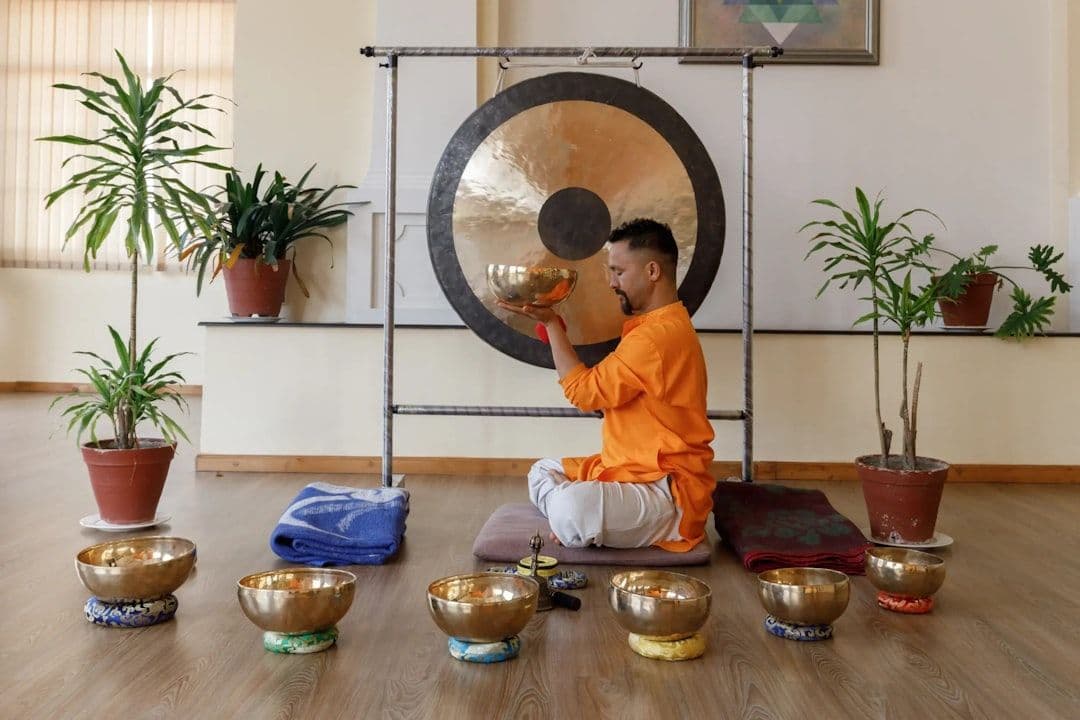
When you arrive at the venue, there's often a shift in energy immediately. The space itself is usually dimly lit, warm, and quiet—already inviting your system to downregulate. A skilled practitioner will greet you warmly and ask about any physical discomfort, injuries, or concerns. This is important: tell them if you have lower back pain, pregnancy, hearing sensitivities, or any medical devices. They'll help you find the most comfortable position. You'll likely be invited to lie down on a yoga mat, blanket, or cushioned floor, often in a room with other participants, though some offer private sessions. There's something profoundly safe about lying down in a room with others who are all choosing rest together. Dim lighting, perhaps candles, and the gentle hum of the space create a cocoon of safety. The practitioner may invite you to close your eyes and take a few conscious breaths, grounding you in the present moment. There's no performance here, no judgment. You're simply held in this space, with permission to be exactly as you are.
During the Session
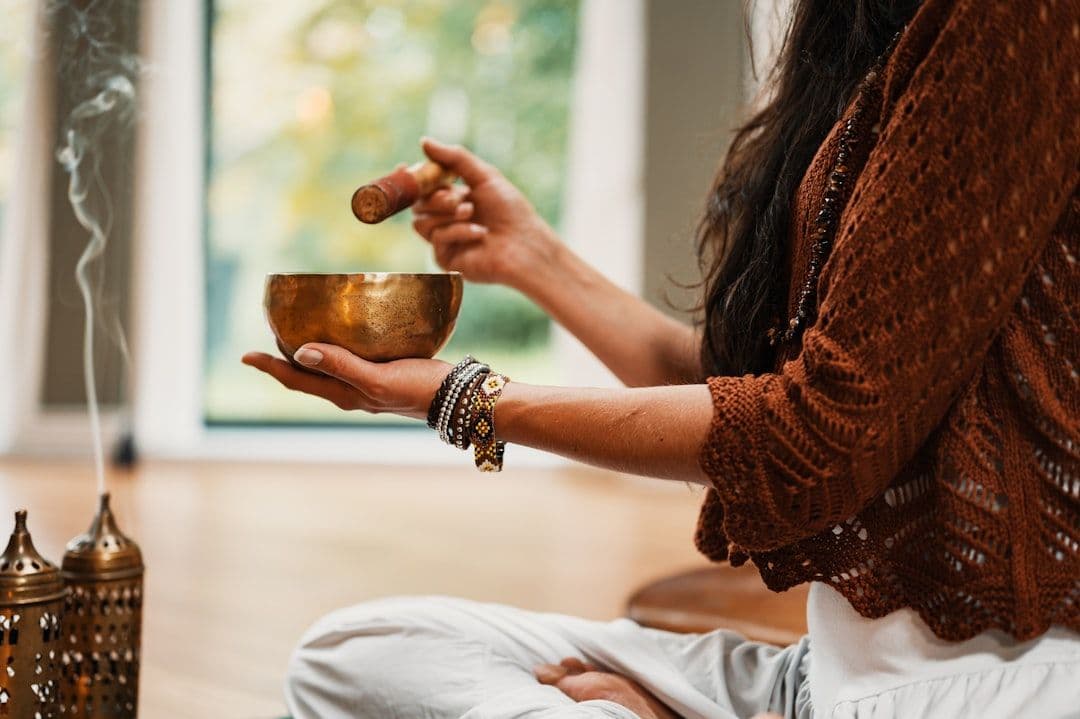
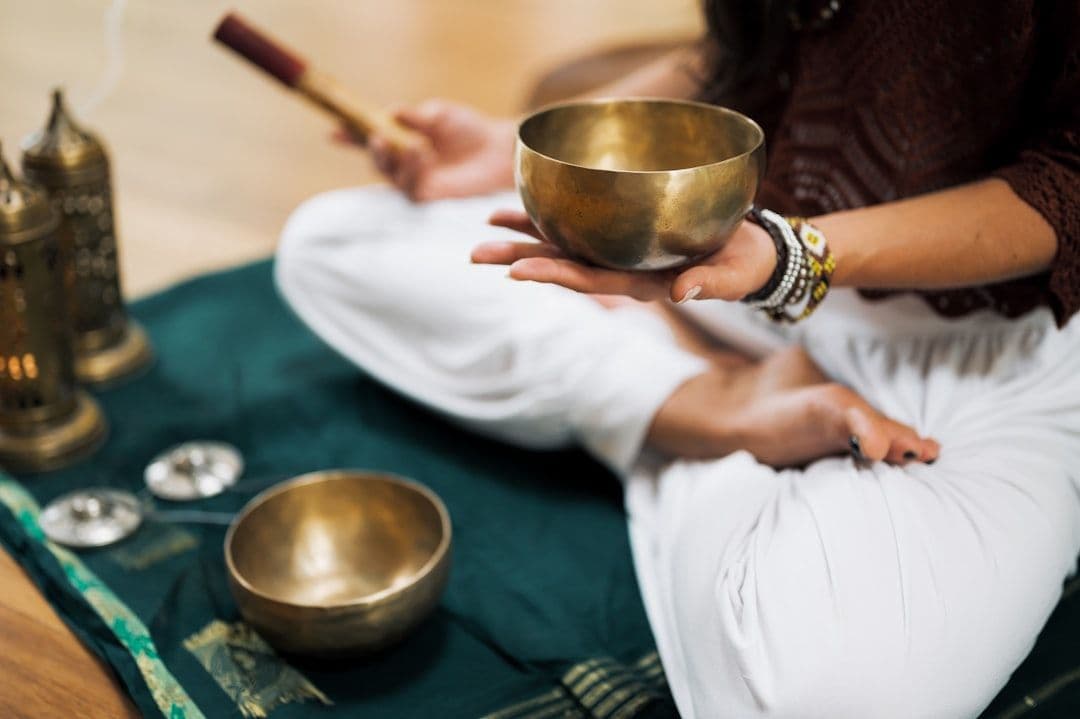
As the first notes of the singing bowl emerge, something shifts. The sound doesn't just enter your ears—it seems to move through you. Low-frequency vibrations from the bowls and gongs resonate in your chest and belly. Your breathing naturally deepens. The layers of sound wash over and around you, creating patterns that your analytical mind can't quite grab onto, so it loosens its grip and simply receives. There's a quality of surrender that happens when you stop trying to understand or control what you're hearing. Instead, you're immersed in it. Time becomes less relevant. You might drift between awareness and a dreamlike state, watching images or colors arise and fade, or feeling unexpected emotions surface and soften. Some people experience tingling, warmth, or a sense of expansion in their body. Others sink into absolute stillness, as if they've finally become heavy enough to rest completely. The soundscape evolves—rising and falling, shifting between instruments. Occasionally there might be silence, which feels as much a part of the experience as the sound itself. Your nervous system, likely stuck in some degree of alert mode from daily stress or worry, begins to recognize safety. The body releases tension it's been holding. If you've been struggling with racing thoughts, scattered focus, or mental fatigue, you may notice the mind simply becoming quiet—not forced, but naturally settling, like sediment in water finally stilling. This is the experience many seek: not an escape, but a genuine rest.
How You May Feel Afterwards
As the session closes and the final sounds fade, there's often a gentle return—the practitioner's voice, an invitation to deepen your breath, to begin moving fingers and toes. Some people open their eyes slowly, as if waking from deep sleep. Others lie there for a moment longer, reluctant to leave that state of profound calm. Standing up, you might feel spacious, unhurried, lighter. The world seems a little softer. Sounds are gentler. Your thoughts may feel less urgent or tangled. Many people report improved mood, reduced irritability, or a restored sense of inner calm that lasts hours or even days. If you've been dealing with burnout, you might feel a genuine sense of repair—not a cure, but permission for your system to recover. Some notice better sleep that night. Others find their anxiety settles more easily, or that their body feels less gripped by tension. A few people experience an emotional release during or shortly after—tears, laughter, or a sense of things shifting internally. This is not uncommon and is generally understood as the body processing and releasing what it's been holding. Hydrate well afterwards and give yourself time to transition. Avoid jumping immediately into demanding tasks. The integration happens gradually. Some practitioners recommend journaling what you noticed, or simply sitting quietly with whatever arose. Many people find that attending regularly—weekly or monthly—creates a cumulative sense of stability and wellbeing, especially when combined with other self-care practices.
Is It Right for You?
Sound baths are accessible to most people, from children to older adults, and can be especially valuable if you're experiencing stress, anxiety, insomnia, burnout, or chronic pain. If you find yourself caught in racing thoughts, emotional overwhelm, or physical tension, this practice offers a different pathway—one that bypasses your thinking mind and speaks directly to your nervous system through sensation and vibration. You may benefit if you're drawn to sensory, non-verbal ways of relaxing, or if conventional stress-management techniques haven't fully landed for you. However, if you have severe hearing loss, certain seizure disorders, or implanted medical devices like pacemakers, consult your doctor first. If you're pregnant, inform the practitioner beforehand. Most importantly, remember that a sound bath is complementary—it works best alongside other self-care and professional care, not instead of it. If you're struggling with serious anxiety, depression, insomnia, or chronic pain, please see your doctor. A sound bath can be a beautiful addition to your wellness routine, but it's not a replacement for medical treatment. Start with one session and notice what unfolds. Your body will tell you whether this practice resonates with you.