What Is Sound Bath?
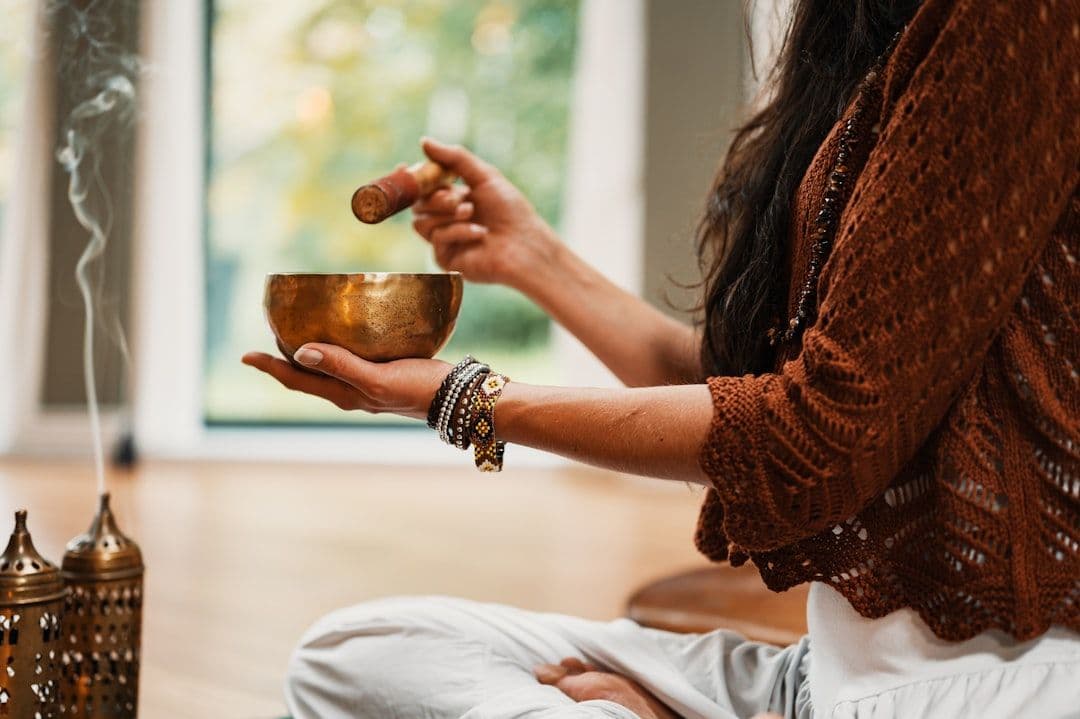
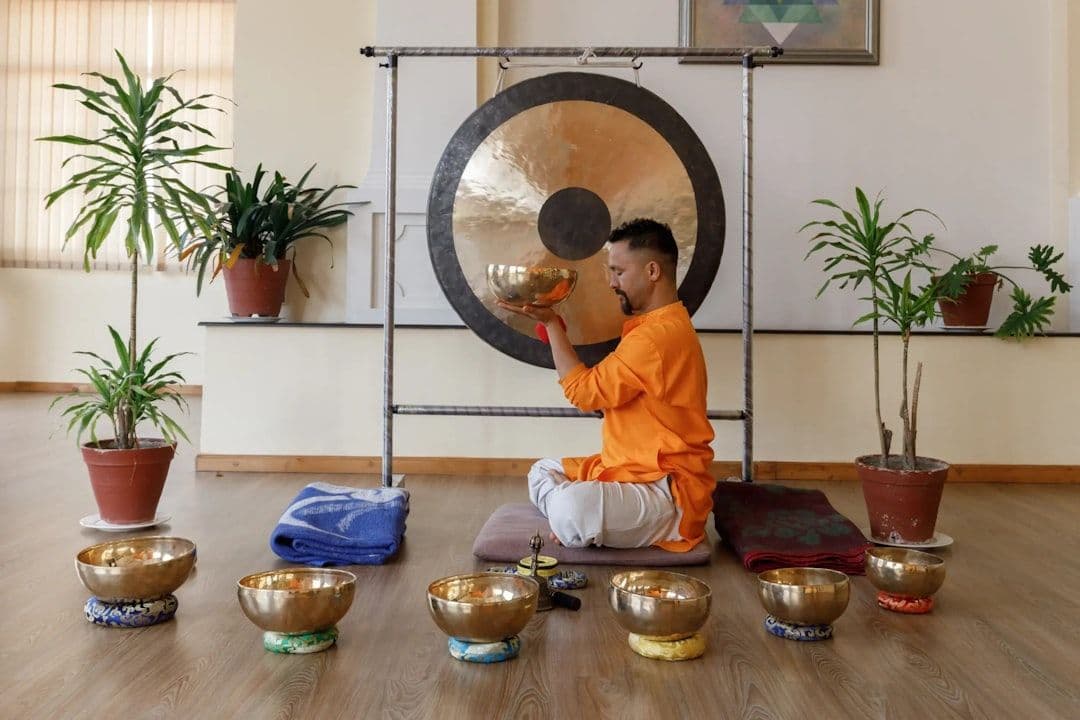
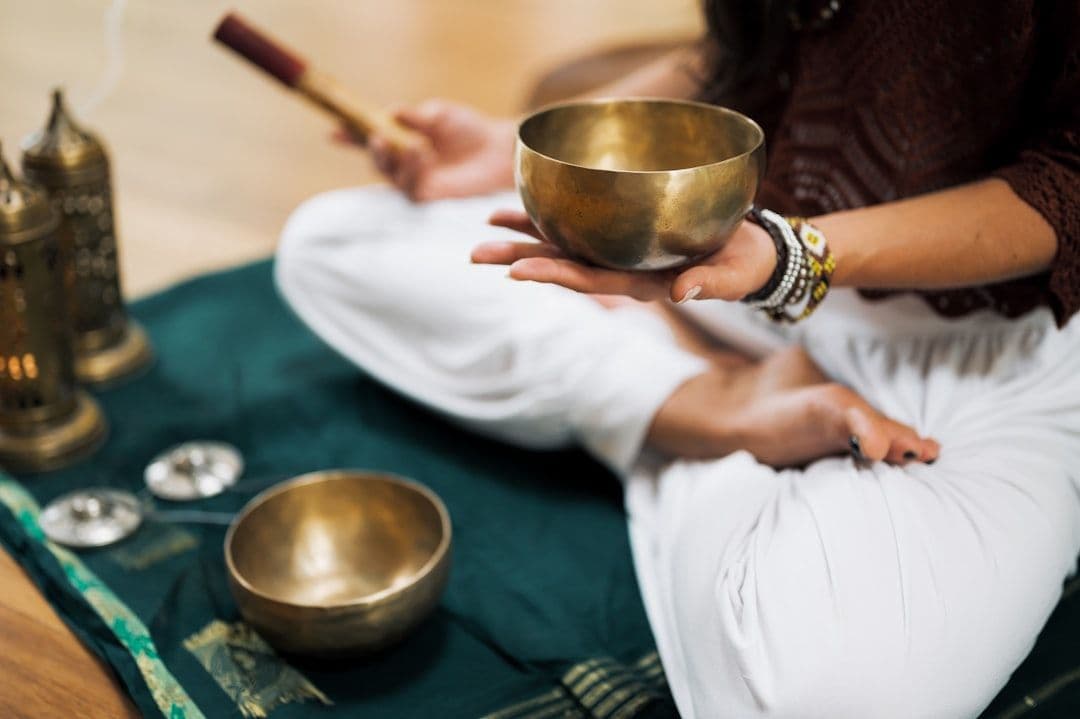
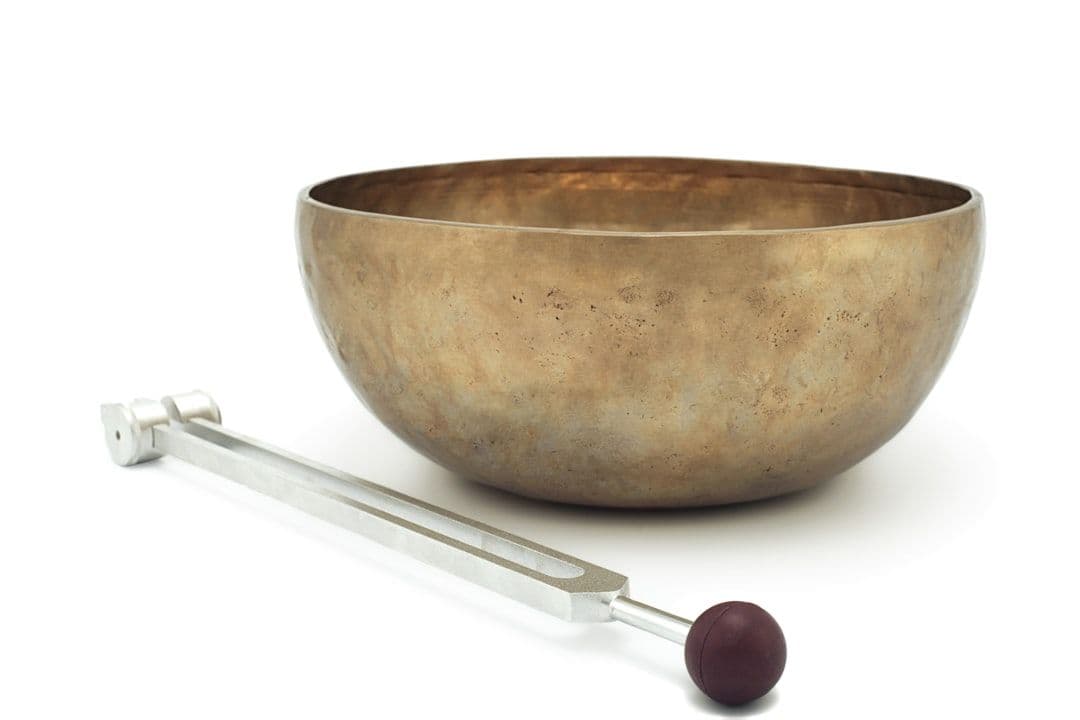
A sound bath is an immersive, meditative experience in which participants lie down or sit in a comfortable position while being surrounded by sustained, harmonic tones produced by instruments such as singing bowls, gongs, tuning forks, chimes, and occasionally bells or harps. Unlike active music listening, sound bathing is passive—you do not play an instrument or sing. Instead, you become immersed in layers of acoustic vibration, allowing the sound to wash over and through your body.
The practice originates from ancient cultures, including Tibetan, Indian, and Indigenous traditions, where sound was recognised as a healing tool. Modern sound bath facilitation combines these traditional approaches with contemporary understanding of how sound affects the nervous system and brain. A typical session lasts 30 to 60 minutes, often beginning with a brief centering or intention-setting moment before the practitioner begins playing instruments. The session is usually conducted in a quiet, safe space such as a yoga studio, wellness centre, or dedicated sound healing room.
Sound baths differ from sound therapy in that they are group or individual relaxation experiences rather than clinical interventions targeting specific conditions. They are offered by practitioners trained in sound facilitation, yoga teachers, meditation instructors, and complementary health professionals. The experience is accessible to people of all ages and fitness levels, requiring no prior knowledge, musical skill, or spiritual belief.
How Does It Work?
Sound bathing is thought to work through several interconnected mechanisms involving the nervous system, brain, and physiology. When exposed to sustained, harmonic frequencies, the body naturally responds by shifting from sympathetic (fight-or-flight) activation to parasympathetic (rest-and-digest) activation. This shift is often measured through changes in heart rate variability, cortisol levels, and electrical brain activity.
The vibrations from instruments like singing bowls and gongs are low-frequency sounds that move through the body and resonant cavities, creating a sensation of gentle physical vibration alongside acoustic experience. These vibrations may help release muscular tension, particularly in areas where stress and emotion are held, such as the shoulders, jaw, and abdomen. The sustained, non-jarring nature of the sounds is thought to bypass the analytical mind—the part of the brain that processes language and logic—and instead engage deeper limbic and sensorimotor centres associated with emotion, memory, and relaxation.
The repetitive, predictable quality of sound bath frequencies may also induce a meditative state similar to that achieved through focused breathing or body-based meditation. The acoustic environment creates a form of sensory richness that occupies attention without requiring active cognitive effort, allowing the analytical mind to quiet and the body to relax. Additionally, certain frequencies, particularly those in the range of 40 to 60 hertz, are associated with gamma brainwave activity linked to focus and clarity, while lower frequencies support slower brainwave states like theta and alpha, associated with deep relaxation and introspection.
It is important to note that while these mechanisms are plausible and supported by preliminary research, the exact pathways through which sound bath affects each individual remain incompletely understood. Benefits are thought to stem largely from the nervous system relaxation response rather than from any direct physiological healing of tissues or organs.
What Does a Session Involve?
A typical sound bath session begins with arrival 5 to 10 minutes early. You will be invited to remove your shoes and enter a calm, dimly lit space, often arranged with yoga mats, blankets, bolsters, and cushions. The practitioner will explain what to expect and may ask about any health conditions, hearing sensitivities, or discomfort you wish them to know about. It is important to communicate any concerns openly so they can adjust the volume or intensity if needed.
Once you are settled—usually lying on your back in a comfortable position, supported by cushions under your knees and head—the practitioner may guide a brief opening. This might include an intention-setting invitation, a few minutes of guided breathing, or a moment of silence. Some practitioners work with the concept of chakras or energy centres; others approach the session purely as a relaxation practice. You can participate in any guidance or simply listen.
The sound portion typically lasts 30 to 50 minutes, during which the practitioner plays one or more instruments, often in a sequence. A session might begin with slower, lower tones, gradually building in complexity and texture, and then gradually resolving to silence or a gentle closing. The practitioner may move around the space, placing instruments near different people or creating layers of sound. Some practitioners invite you to breathe with the sounds or visualise colours or sensations, while others simply let the sound unfold without direction.
Throughout the session, you may experience various sensations: deep relaxation, tingling, warmth, emotional release, or vivid imagery. Some people sleep, which is considered natural and beneficial. Others remain alert but in a deeply calm state. There is no "right" way to experience a sound bath.
The session typically closes with a period of silence, after which the practitioner may gently guide you back to awareness. You are given time to return to normal consciousness before sitting up. A brief closing moment, such as a gratitude acknowledgement or simple "namaste," often marks the end. Most practitioners then allow time for you to rest and integrate the experience before leaving. It is common to feel deeply relaxed, peaceful, or emotionally open afterward; some people feel these effects for hours or days.
Who May Benefit?
Sound baths may benefit a wide range of people, though they are particularly supportive for those seeking complementary relaxation and nervous system regulation. People experiencing stress, anxiety, or mental fatigue often find sound baths helpful as a non-pharmaceutical way to activate the relaxation response and quiet an overactive mind. Those struggling with sleep difficulties may benefit from sound baths as an evening or bedtime practice that prepares the nervous system for rest.
Individuals in recovery from burnout frequently report that sound baths provide deep sensory decompression and a sense of restoration that is difficult to achieve through other means. Because sound bathing requires no active participation, it is especially valuable for people who are mentally or physically exhausted and cannot engage in more effortful practices like yoga or exercise.
People with chronic pain or tension-related discomfort may experience relief through nervous system regulation and the shift in attentional focus that sound bathing provides. Individuals sensitive to or fatigued by cognitive or analytical practices—such as talk therapy or meditation requiring concentration—often find sound baths more accessible, as they involve receptive listening rather than active mental work.
Sound baths are also suitable for people interested in mindfulness, spiritual exploration, or meditative experiences without religious or belief-system requirements. Because the practice is gentle, accessible, and requires no prior training or fitness level, it can benefit children, older adults, and people with mobility limitations. Some practitioners offer sound baths tailored to specific populations, such as prenatal groups, cancer survivors, or people with neurodiversity.
However, sound baths are not appropriate as a sole treatment for serious mental health conditions, chronic pain, or sleep disorders. They are best used alongside professional medical care and consultation with a healthcare provider if you have significant health concerns.
What Does the Evidence Say?
Research on sound baths and sound therapy is growing but remains moderate in volume and quality. Most studies are small, observational, or uncontrolled, measuring outcomes such as heart rate variability, cortisol levels, self-reported anxiety and stress, and subjective wellbeing. Large-scale randomised controlled trials are limited, which means we can describe the evidence as moderate rather than strong.
Studies examining sound baths and anxiety have found improvements in self-reported anxiety scores and increases in heart rate variability—a physiological marker associated with nervous system flexibility and stress resilience. Research on singing bowls, gongs, and other instruments used in sound baths has documented reductions in cortisol and increases in parasympathetic activation. Some evidence suggests that even a single session can produce measurable relaxation effects.
For sleep, evidence is primarily anecdotal and observational, though some studies on music and sound show improvements in sleep quality and latency. Sound bathing's role in insomnia support is thought to operate through the same nervous system pathways that support relaxation and stress reduction.
Evidence for burnout, chronic pain, and tension headache is traditional and emerging rather than rigorously clinical. These applications draw on both practitioner experience and preliminary research on nervous system regulation and attention shifting. Most health bodies, including the National Institutes of Health and various professional medical societies, classify sound therapy as complementary and recommend it be used alongside, not instead of, conventional medical treatment.
It is important to acknowledge that sound bath research has limitations: many studies lack control groups, some rely on self-report rather than objective measures, and publication bias may favour positive results. Furthermore, the placebo effect—the body's powerful response to expectation and caring attention—likely contributes to some reported benefits. This does not make sound baths ineffective; rather, it highlights the importance of contextualising benefits within a holistic health approach and not relying on sound baths as a substitute for evidence-based medical care for serious conditions.
Safety and Considerations
Sound baths are generally safe for most people and carry minimal risk when facilitated by a trained practitioner in an appropriate setting. However, certain precautions and contraindications should be considered.
Individuals with severe hearing loss or deafness can still participate in sound baths, as the vibrational component of low-frequency sounds can be felt through the body even if auditory processing is limited. However, inform your practitioner of your hearing status so they can position you appropriately and communicate clearly.
People with epilepsy triggered by sound, vibration, or flashing lights should consult their neurologist before attending a sound bath. While sound baths do not typically involve flashing lights, the vibrational component could theoretically trigger seizures in sensitive individuals. A conversation with your healthcare provider beforehand is essential.
Pregnant individuals should seek guidance from their midwife or obstetrician before attending. While sound baths are generally considered safe in pregnancy, some frequencies or instruments may be a consideration depending on individual circumstances. Some practitioners offer prenatal-specific sound sessions.
People with recent ear surgery, earwax impaction, or acute ear infections should consult their GP before attending, as the acoustic environment may cause discomfort or complications.
Sound baths should always complement, never replace, medical treatment for serious conditions such as clinical anxiety disorder, major depression, sleep disorders, chronic pain conditions, or other health concerns. If you are taking medications for any of these conditions, continue them as prescribed and discuss complementary practices with your healthcare provider.
After a sound bath, some people experience emotional release, vivid dreams, or temporary changes in mood or sensation. This is generally considered part of the integration process and typically resolves within hours or days. If you experience prolonged discomfort or emotional distress, contact your practitioner and consult your GP if symptoms persist.
Always ensure you attend sessions with a qualified, trained practitioner in a safe, clean environment. Be wary of practitioners making medical claims or suggesting that sound baths can treat, cure, or heal specific diseases. A trustworthy practitioner will clearly describe sound bathing as complementary practice and encourage you to maintain conventional medical care.
How to Find a Qualified Practitioner
Finding a qualified sound bath practitioner involves looking for specific credentials, training, and professional standards. Begin by asking about formal training in sound healing modalities. Reputable practitioners typically complete certification programmes in singing bowl facilitation, gong therapy, sound healing, or sound meditation. Common training organisations include the International Association of Sound Therapy, the Sound Healing Association, and various yoga and wellness training bodies. A practitioner should be able to describe their training, the duration of their certification, and any ongoing professional development.
Look for practitioners who have studied anatomy, physiology, and particularly the nervous system and how sound affects it. Understanding the science behind their practice indicates professional grounding. Additionally, seek practitioners trained in safety protocols, including how to work with people with hearing sensitivities, trauma, mental health conditions, and physical limitations.
Check for membership in professional organisations such as the British Association for Music Therapy, the International Association of Sound Therapy, or equivalent bodies in your country. These memberships often indicate adherence to ethical standards and continuing education requirements. Ask for references or testimonials from previous clients, though remember that personal experiences vary.
When contacting a practitioner, ask about their experience, qualifications, and approach. A trustworthy practitioner will be transparent about what sound baths can and cannot do. They should clearly communicate that sound baths are complementary and not replacements for medical treatment. They should also ask you about your health history, listening sensitivities, and any concerns before your first session.
Consider the environment where sessions are held. Is it clean, quiet, and conducive to relaxation? Are blankets and cushions provided? Does the practitioner offer time to discuss the experience and answer questions afterward? These details reflect the professionalism and care of the practice.
Finally, trust your intuition. A good practitioner-client relationship involves feeling heard, respected, and comfortable. If you feel pressured, if medical claims are made, or if you do not feel safe, it is appropriate to seek another practitioner. It may also be helpful to discuss your interest in sound bath with your GP, particularly if you have health conditions or are taking medications, so they are informed about all aspects of your care.