What Spiritual Development Actually Involves
A woman sits quietly each morning, journal beside her cup of tea, exploring questions that have no easy answers: What gives my life meaning? How do I want to grow? What wisdom traditions speak to me? This daily reflection represents one face of spiritual development — a deeply personal practice of exploring consciousness, purpose, and connection to something greater than oneself.
Spiritual development encompasses a broad spectrum of contemplative practices united by their focus on inner growth and meaning-making. Some people work with meditation teachers, exploring mindfulness or concentration practices. Others engage with spiritual directors who guide reflection on sacred texts or life experiences. Many combine solitary practices like journaling or nature contemplation with group study of philosophical traditions.
The practice distinguishes itself from therapy or coaching through its emphasis on existential questions rather than problem-solving. Where therapy might address specific symptoms and coaching focuses on achieving goals, spiritual development explores fundamental questions about identity, purpose, and connection to the transcendent.
Roots in Universal Human Experience
Spiritual development draws from humanity's oldest traditions of contemplative practice. Christian monasticism developed structured approaches to spiritual formation through lectio divina and contemplative prayer. Buddhist traditions created systematic meditation practices for cultivating awareness and wisdom. Hindu teachings explored consciousness through yoga and philosophical inquiry. Indigenous cultures worldwide developed vision quest practices and ceremonial approaches to spiritual growth.
Contemporary spiritual development often integrates insights from multiple traditions whilst respecting their distinct origins. Modern practitioners might combine mindfulness meditation with journaling practices, or study both Christian mystics and Buddhist teachings. This integrative approach reflects our increasingly interconnected world whilst maintaining reverence for the depth each tradition offers.
The practice has evolved to accommodate secular approaches as well. Many people engage with spiritual development through humanistic frameworks that explore meaning and transcendence without reference to religious doctrine, finding profound value in contemplative practices whilst maintaining their own worldview.
How Spiritual Development Unfolds
Within spiritual development frameworks, growth occurs through sustained engagement with practices that cultivate self-awareness and connection to deeper truth. Practitioners understand this process as fundamentally experiential — insight emerges through regular contemplation, reflection, and openness to transformation rather than through intellectual analysis alone.
Most traditions emphasise the importance of regular practice, whether through daily meditation, weekly spiritual direction sessions, or seasonal retreats. This consistency allows practitioners to develop what contemplatives call 'spiritual muscle' — the capacity to maintain awareness and presence even during difficult periods. Teachers often guide students through progressive practices, beginning with simpler techniques before introducing more advanced contemplative approaches.
The developmental process is understood as cyclical rather than linear. Practitioners frequently describe periods of profound insight followed by apparent stagnation, then unexpected breakthroughs. This rhythm reflects the tradition's understanding that spiritual growth involves integration time — periods when new awareness settles into lived experience before the next layer of development emerges.
Who Seeks This Path
People typically explore spiritual development during life transitions that prompt deeper questioning. Career changes, relationship shifts, loss of loved ones, or simply reaching midlife often catalyse interest in meaning-making practices. Unlike those seeking therapy for specific problems, spiritual development attracts individuals drawn to growth for its own sake — people who sense there are layers of themselves or existence yet to explore.
Many practitioners describe feeling spiritually 'thirsty' — yearning for connection to something larger than daily concerns. This might manifest as interest in meditation after reading about mindfulness, curiosity about prayer practices from childhood traditions, or attraction to philosophical discussions about consciousness and meaning. Others come seeking authentic community — connection with people exploring similar questions about purpose and growth.
Individuals questioning inherited beliefs often find value in spiritual development's non-dogmatic approach. The practice welcomes exploration without requiring adherence to specific theological positions, making it attractive to those seeking spiritual connection whilst maintaining intellectual integrity.
What to Expect in Practice
Spiritual direction sessions typically begin with checking in about your inner life since the last meeting. Directors might ask about your prayer or meditation practice, dreams, or significant life events. Unlike therapy sessions, the focus remains on how these experiences connect to your spiritual development rather than psychological problem-solving. Sessions often include periods of shared silence and exploration of contemplative texts or practices.
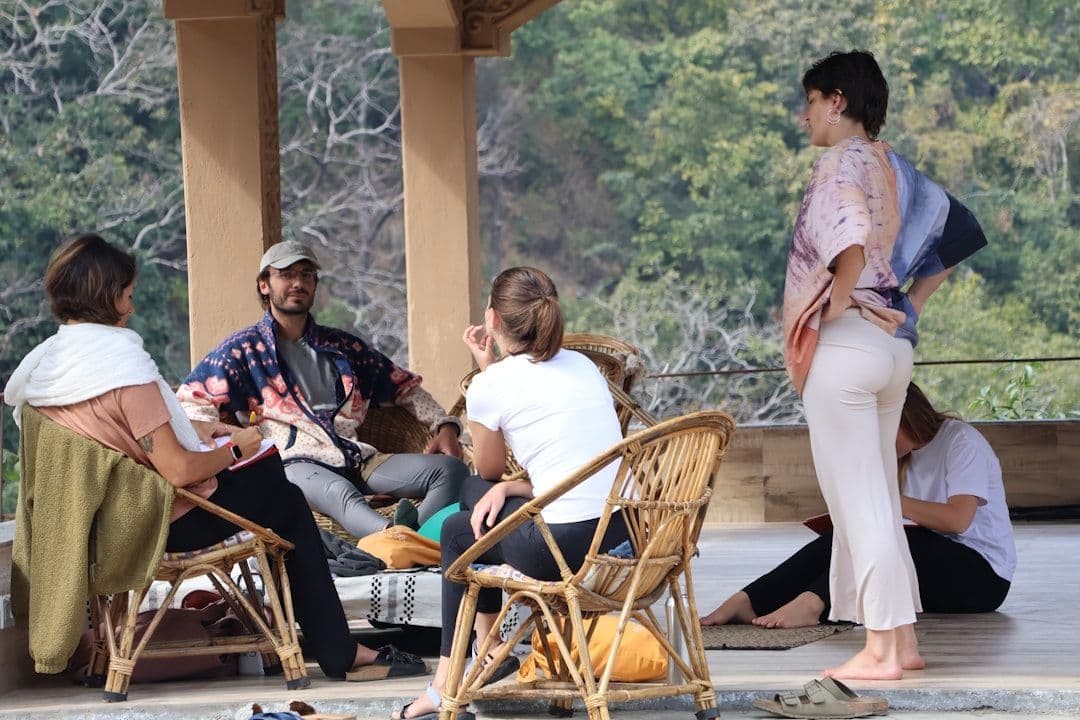
Group spiritual development might involve studying wisdom literature together, sharing contemplative practices, or engaging in group meditation. Many programmes combine teaching sessions with personal reflection time and small group sharing. Retreat experiences offer intensive immersion in contemplative practices, typically including extended periods of silence, guided meditation, and spiritual direction.
The pace tends to be slower and more reflective than conventional educational or therapeutic approaches. Practitioners learn to sit with questions rather than rushing toward answers, developing what many traditions call 'holy patience' — the capacity to allow insight to emerge naturally rather than forcing understanding through intellectual effort.
Finding Qualified Guidance
Spiritual directors typically complete specialised training programmes lasting two to four years, often through theological institutions or contemplative centres. Look for directors certified by organisations like Spiritual Directors International or trained through established programmes at retreat centres. Many directors come from religious backgrounds but increasing numbers offer secular approaches to contemplative development.
Session costs range from £40–80 for individual spiritual direction, with group programmes typically costing £15–30 per session. Some retreat centres offer sliding scale fees, and many traditions include provisions for those unable to pay standard rates. Monthly spiritual direction sessions represent common practice, though frequency can be adjusted based on your needs and circumstances.
When choosing a spiritual director or programme, consider their training background, approach to different wisdom traditions, and whether their style resonates with your spiritual inclinations. Most directors offer initial consultations to discuss your interests and determine compatibility before beginning ongoing work together.