Before You Arrive
Most spiritual development practitioners suggest arriving with an open mind rather than specific expectations. Wear comfortable clothing that won't restrict your breathing during meditation or contemplative practices—many sessions involve sitting for extended periods.
Bring a notebook if you're inclined to write, though many practitioners provide this. Some may suggest you reflect beforehand on particular questions: What draws you to this exploration? What aspects of your life feel unclear or unfulfilling? There's no need to have profound answers—simply considering these questions can help focus the session.
Avoid scheduling intensive commitments immediately afterwards. Many people find they want time to process what emerges during the session. A rushed transition back to daily demands can feel jarring.
The Session Itself
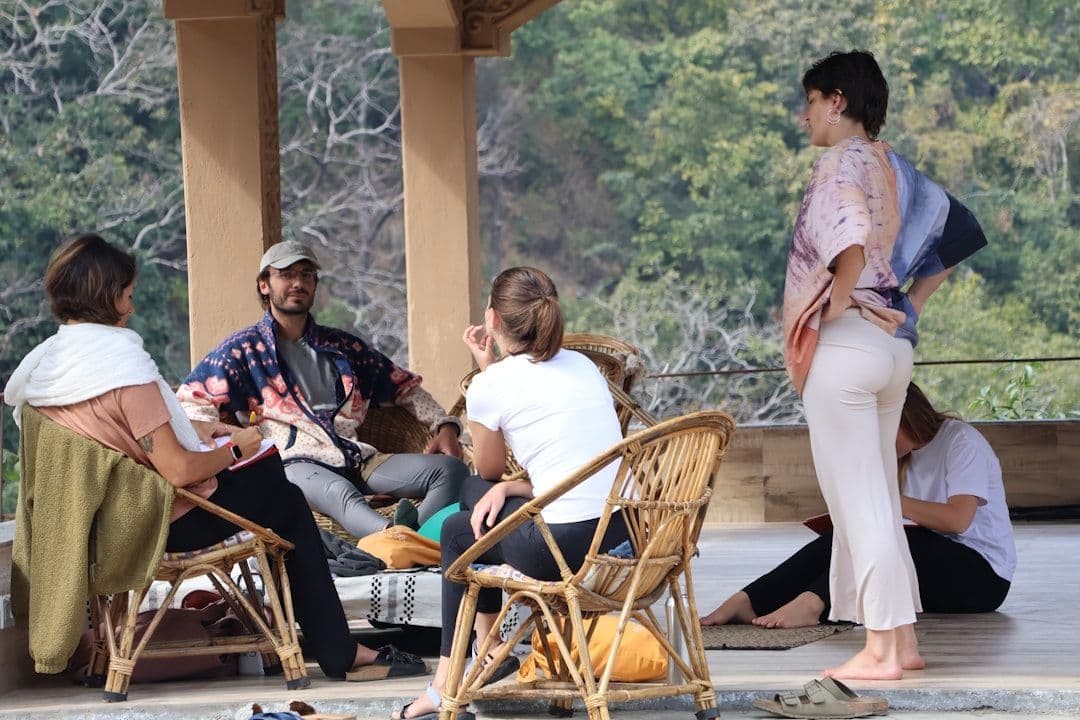
Sessions typically begin with conversation about what brought you here and what you hope to explore. Your practitioner might ask about your background with spiritual or contemplative practices, current life circumstances, or particular challenges you're facing. This isn't therapy, but rather a way to understand your starting point.
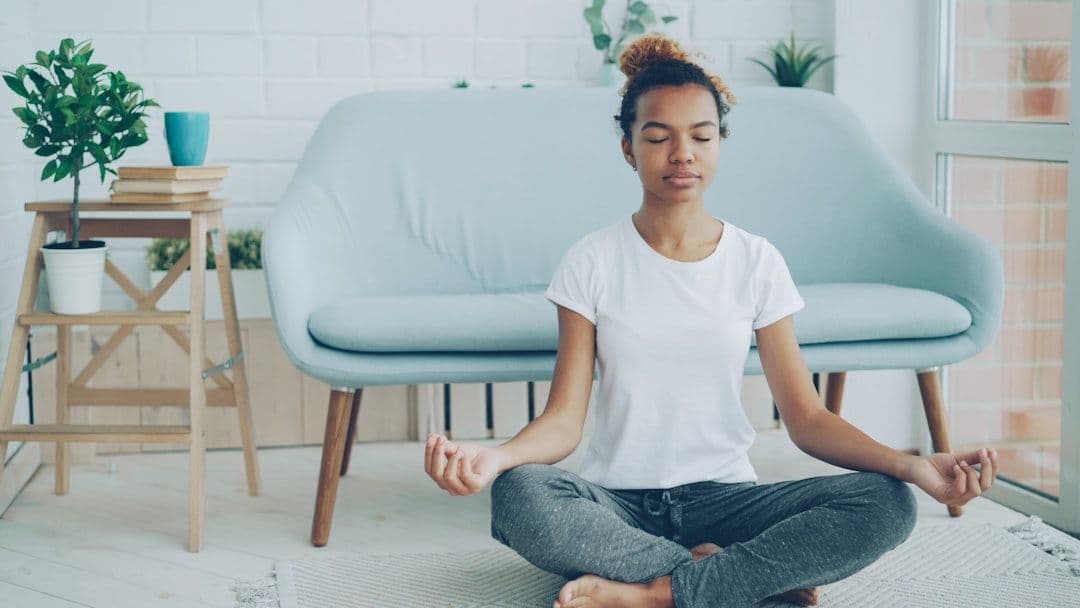
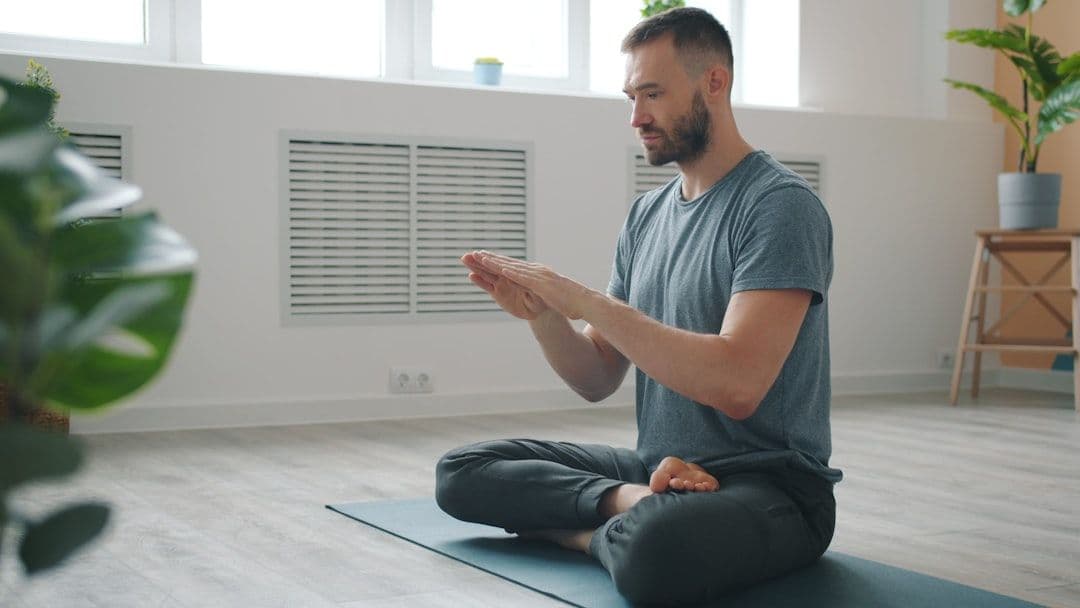
The middle portion usually combines guided practice with discussion. You might engage in meditation, breathwork, or contemplative reading, followed by sharing what you noticed or experienced. Some practitioners incorporate journaling prompts, visualisation exercises, or exploration of spiritual texts relevant to your interests.
The atmosphere tends to be quiet and unhurried. Many practitioners create a simple, uncluttered space—perhaps with candles, plants, or meaningful objects—that encourages reflection. Sessions typically last 60-90 minutes, though some intensive workshops can extend to several hours.
What You Might Experience
During the session, you might notice a gradual settling as you shift from everyday concerns into a more reflective state. Some people experience clarity about decisions they've been pondering, whilst others simply feel a sense of spaciousness or calm. Emotions can surface—sometimes unexpectedly—as you explore deeper questions about meaning and direction.
Physical sensations vary widely. Some people feel more relaxed and grounded, others report feeling energised or more aware of their body. Meditation components might bring familiar sensations if you already practice, or feel entirely new if you don't.
After sessions, many people describe feeling both thoughtful and peaceful. Some notice immediate insights, whilst others find that understanding unfolds gradually over days or weeks. It's common to feel motivated to continue exploring themes that arose during your time together.
Aftercare
Plan for some quiet time immediately following your session. Many practitioners suggest avoiding intense social situations or demanding tasks for a few hours, allowing space for integration of whatever emerged.
Journaling can help capture insights whilst they're fresh, though there's no pressure to analyse everything immediately. Some people find that understanding develops gradually, with seemingly small moments from the session becoming more significant over time.
Stay hydrated and eat something nourishing if the session was lengthy. Some people feel energised, others pleasantly tired. Both responses are normal. If difficult emotions surfaced, be gentle with yourself and don't hesitate to reach out to your practitioner if you need support processing what came up.
How Many Sessions Are Typical
Unlike therapeutic interventions with clear endpoints, spiritual development is understood as an ongoing process rather than a course of treatment. Some people book monthly sessions for regular support and guidance, whilst others attend more frequently during times of transition or uncertainty.
Many practitioners suggest trying at least 3-4 sessions before deciding if the approach suits you. This allows time to move past initial unfamiliarity and begin experiencing the cumulative effects of regular practice and reflection.
Some people maintain long-term relationships with spiritual development practitioners, viewing them as guides for life's evolving questions. Others engage intensively for shorter periods when facing major decisions or life changes. The frequency and duration depend entirely on your personal inclinations and what feels supportive for your growth.