What Happens When You Stimulate Your Vagus Nerve
Place your hand on your chest and hum a low note for thirty seconds. Many people notice their heart rate settling and shoulders dropping slightly. You've just engaged your vagus nerve — the longest cranial nerve in your body, stretching from your brainstem down through your neck, chest, and abdomen like an internal communication highway.
This wandering nerve, whose Latin name literally means "wanderer," serves as the primary pathway for your parasympathetic nervous system — your body's built-in relaxation response. When activated, it counters the fight-or-flight state that chronic stress can lock us into.
Unlike medical vagus nerve stimulation devices used for epilepsy or depression, wellness-focused techniques use gentle, non-invasive approaches. These include specific breathing patterns, vocalisations, cold exposure, neck massage, and certain meditation practices. The aim is shifting your nervous system from stress-dominant to rest-and-digest mode through natural triggers your body already recognises.
From Neurology Wards to Wellness Practices
Vagus nerve stimulation began in clinical neurology. In the 1990s, surgically implanted devices proved effective for treating epilepsy and later depression. These medical interventions sparked interest in whether gentler approaches might offer benefits for everyday stress and wellbeing.
The wellness adaptation draws from diverse sources. Breathing techniques mirror pranayama practices from yoga traditions. Cold water therapy echoes Scandinavian and Russian folk remedies. Humming and chanting connect to contemplative practices across cultures. What's new is understanding these traditional approaches through the lens of vagal nerve function.
This convergence gained momentum in the 2010s as researchers began investigating how lifestyle interventions might influence autonomic nervous system balance. The approach represents a bridge between ancient wisdom and contemporary neuroscience, though the scientific validation remains in early stages.
How These Techniques Work on Your Nervous System
The vagus nerve functions as a two-way communication system between your brain and major organs. When you engage in specific physical actions — slow exhaling, humming, or exposing your face to cold water — you stimulate nerve fibres that signal your brain to activate the parasympathetic response.
Different techniques target different pathways. Deep breathing with longer exhales activates vagal fibres connected to your heart and lungs. Humming, singing, or gargling creates vibrations that may stimulate the nerve through your throat and neck. Cold water on your face triggers what's called the "dive response" — an evolutionary mechanism that immediately shifts your nervous system toward conservation mode.
Preliminary research suggests these practices may influence heart rate variability — the subtle changes in time between heartbeats that indicate nervous system flexibility. Some small studies have found improvements in stress markers and self-reported anxiety levels, though researchers emphasise the need for larger, more rigorous trials to establish definitive benefits.
Who Might Find These Techniques Helpful
These approaches often appeal to people experiencing chronic stress who prefer self-directed techniques over passive treatments. Healthcare workers, teachers, and others in high-pressure environments frequently report finding brief vagal stimulation exercises useful for resetting during demanding days.
Individuals managing anxiety may find these techniques complement their existing strategies, though responses vary considerably. Some people notice immediate effects — a sense of calm after cold water exposure or deeper breathing during humming exercises. Others require consistent practice over weeks to perceive benefits.
Those interested in nervous system regulation without pharmaceutical interventions often explore these methods. However, it's crucial to understand that while many people report feeling more grounded and less reactive to stress, these techniques work alongside rather than replacing professional treatment for anxiety disorders, depression, or other mental health conditions.
What a Practice Session Looks Like
Most people begin with breathing exercises. A common technique involves inhaling for four counts, holding briefly, then exhaling for six to eight counts. The longer exhale is key — it signals your parasympathetic system to engage. Sessions typically last five to ten minutes, though some people use brief one-minute practices throughout their day.
Cold water techniques can be as simple as splashing cold water on your face or holding a cold pack to your neck for thirty seconds. Some practitioners progress to cold showers, though this isn't necessary for potential benefits.
Vocalisation approaches include humming, singing, or even gargling with water. The vibrations created in your throat and chest area may stimulate vagal pathways. Many people find humming particularly accessible — you can do it almost anywhere without drawing attention.
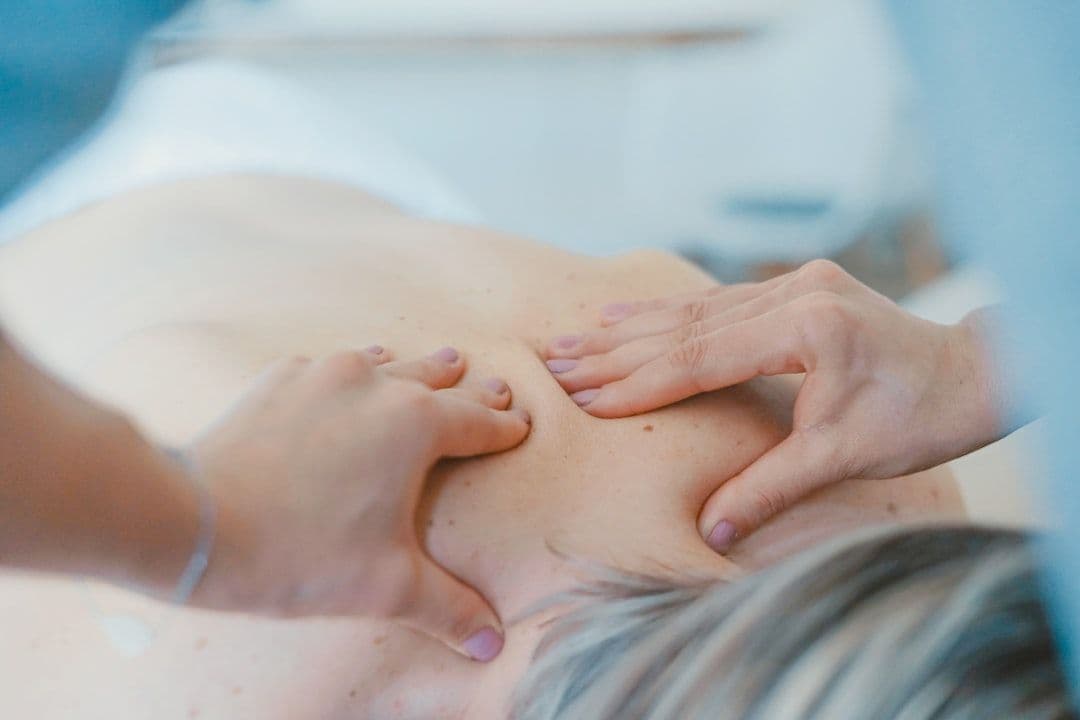
Gentle neck massage or yoga poses that stretch the neck area round out common approaches. The key across all techniques is consistency rather than intensity. Daily five-minute practices appear more beneficial than occasional longer sessions.
The Current Evidence Landscape
Research into non-invasive vagus nerve stimulation remains in early stages. Most studies have been small — typically involving 20 to 100 participants — and many lack robust control groups. However, some patterns are emerging from the available research.
A 2019 study of 20 adults found that specific breathing patterns increased heart rate variability, suggesting improved nervous system flexibility. Another small trial showed reduced cortisol levels after regular cold water exposure, though participants knew they weren't receiving a placebo treatment, which may have influenced results.
Several studies have measured self-reported outcomes, with participants frequently noting reduced perceived stress and improved sleep quality. However, researchers emphasise that subjective improvements don't necessarily translate to measurable physiological changes.
The challenge lies in studying techniques that people can easily access without supervision. Unlike pharmaceutical trials, it's difficult to create proper control groups when participants know whether they're humming or breathing slowly. This methodological limitation means the evidence base, while promising, requires cautious interpretation.
Practical Considerations and Finding Support
Most vagus nerve stimulation techniques cost nothing beyond your time. Books and online resources range from £10 to £50, though many effective practices require no paid instruction. Apps offering guided breathing exercises typically cost £5 to £15 monthly.
Some people benefit from initial guidance. Breathing workshops through community centres or wellness organisations often cost £20 to £60. One-to-one sessions with stress management coaches who incorporate these techniques range from £50 to £120 per session, though most people don't require ongoing professional support.
When seeking guidance, look for practitioners with relevant qualifications rather than those claiming to be "vagus nerve specialists." Physiotherapists, registered nurses with stress management training, or counsellors who integrate somatic approaches may offer the most grounded instruction.
Start with simple techniques like extended exhaling or brief cold water exposure rather than complex protocols. Pay attention to your individual response — some people feel immediately calmer, others notice benefits only with regular practice, and some find certain techniques unhelpful or even anxiety-provoking. Your nervous system's response is the best guide to whether these approaches suit you.