Before You Arrive
Wear loose, comfortable clothing that allows easy movement around your neck and shoulders. A soft jumper or cotton top works well—avoid anything with tight collars that might restrict your breathing. Bring a water bottle, as some techniques can leave you feeling thirsty.
Eat lightly beforehand. A heavy meal can interfere with deep breathing exercises, whilst an empty stomach might leave you feeling lightheaded during certain techniques. A piece of fruit or small snack 1-2 hours before works well.
Avoid caffeine for at least two hours before your session. Stimulants can counteract the relaxation response you're trying to cultivate. If you're particularly stressed about trying something new, remind yourself that everything can be modified to suit your comfort level.
The Session Unfolds
Your practitioner begins with a brief chat about your stress levels, sleep patterns, and what you hope to gain. This isn't therapy—it's practical information to tailor the techniques. The room is typically quiet with soft lighting, sometimes with gentle background sounds.
The first 10-15 minutes focus on breathing. You'll learn slow, diaphragmatic breathing—inhaling for 4 counts, holding briefly, then exhaling for 6-8 counts. Your practitioner demonstrates, then guides you through the rhythm. You might feel your heart rate slow and your shoulders drop.
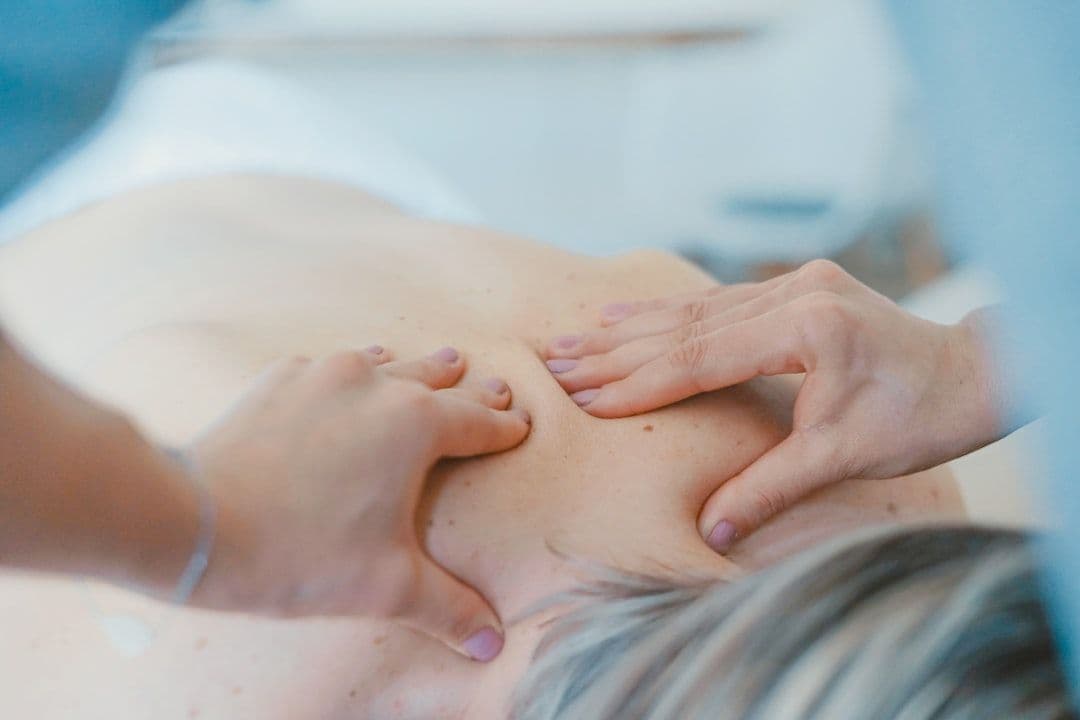
Next comes vocalisation—humming, 'ahh' sounds, or gentle gargling with warm water. This feels odd initially, but most people find it surprisingly soothing. The vibrations you create travel through your chest and throat, potentially stimulating vagal pathways. Some practitioners incorporate gentle neck massage or pressure point work around this time.
The final phase often includes brief cold exposure—holding a cold compress against your face or wrists for 30-60 seconds. This activates the 'dive response' and can trigger parasympathetic activation. The practitioner monitors your response carefully and adjusts accordingly.
What You Might Experience
During the session, many people notice their breathing naturally deepening and their jaw unclenching. Some feel a subtle tingling or warmth spreading through their chest or abdomen. Others describe a sense of 'settling' or 'coming back into their body'—particularly those who live with chronic stress.
Cold exposure often produces an immediate alertness followed by deep relaxation. Your heart rate might briefly increase then settle lower than when you started. Some people feel slightly emotional—not upset, but as if they're accessing feelings they'd been holding in tension.
Afterwards, expect to feel notably calmer, though some people experience mild fatigue as their nervous system shifts gears. This 'relaxation hangover' typically lasts 1-2 hours. Others feel energised in a different way—alert but not anxious.
Effects vary considerably between individuals. Some notice immediate improvements in sleep quality, whilst others require several sessions before noticing consistent changes in their stress response patterns.
After Your Session
Drink plenty of water and avoid rushing back into stressful activities. If possible, maintain the calm pace for at least an hour. This isn't always practical, but even 10 minutes of quiet transition helps consolidate the nervous system reset.
Avoid alcohol for the remainder of the day, as it can interfere with the parasympathetic activation you've just encouraged. Light exercise like walking is beneficial, but skip high-intensity workouts for 24 hours.
Pay attention to your sleep that night. Many people report falling asleep more easily and sleeping more deeply after VNS sessions. Others notice reduced muscle tension or fewer digestive issues—signs that their stress response is shifting.
Practise the breathing techniques you learned daily, even for just 5 minutes. The real benefits often come from these short, regular practices rather than the occasional session.
Building Your Programme
Most practitioners recommend starting with weekly sessions for 4-6 weeks, then spacing them out as you develop your own practice. Some people notice benefits after just one session, whilst others need 6-8 before experiencing lasting changes in their baseline stress levels.
Each session builds on the previous one, introducing more advanced techniques as your nervous system becomes more responsive to vagal stimulation. By session three or four, you'll likely be combining multiple techniques and learning to recognise your own vagal 'tone'.
The ultimate goal is developing a toolkit you can use independently. Most people continue with monthly sessions while building daily self-practice routines. Your practitioner will help you identify which techniques work best for your particular stress patterns and lifestyle.
Some practitioners offer group sessions or workshops focusing on specific techniques—breathing, cold exposure, or vocalisation. These can be valuable for deepening your understanding and maintaining motivation.