The Practice of Clear Seeing
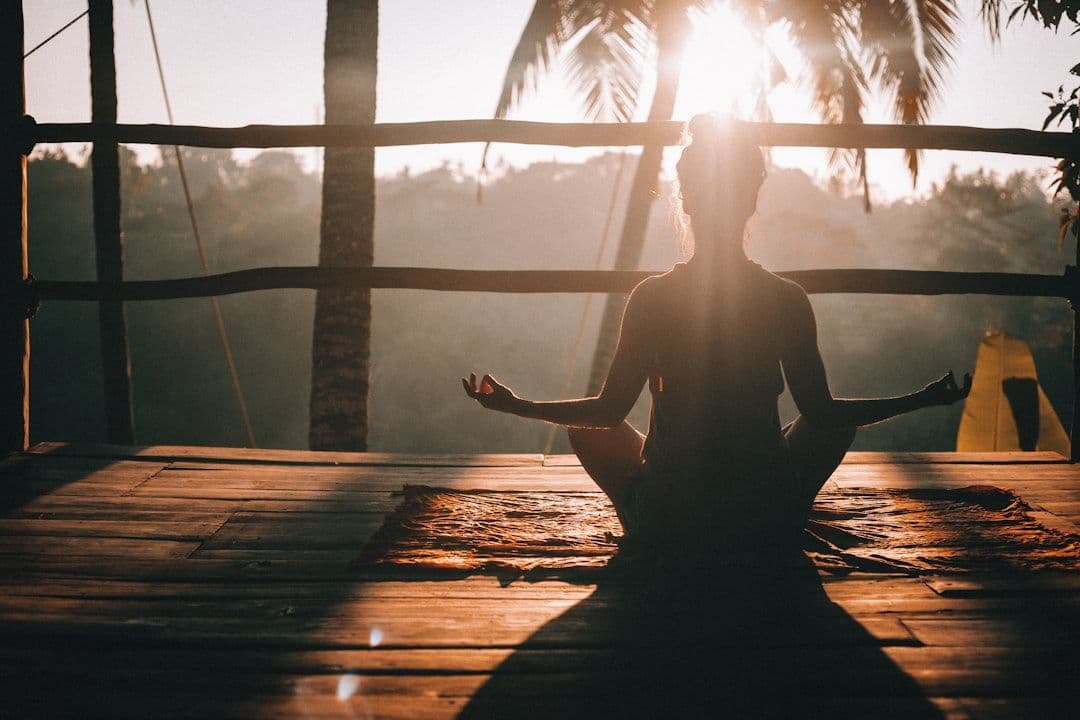
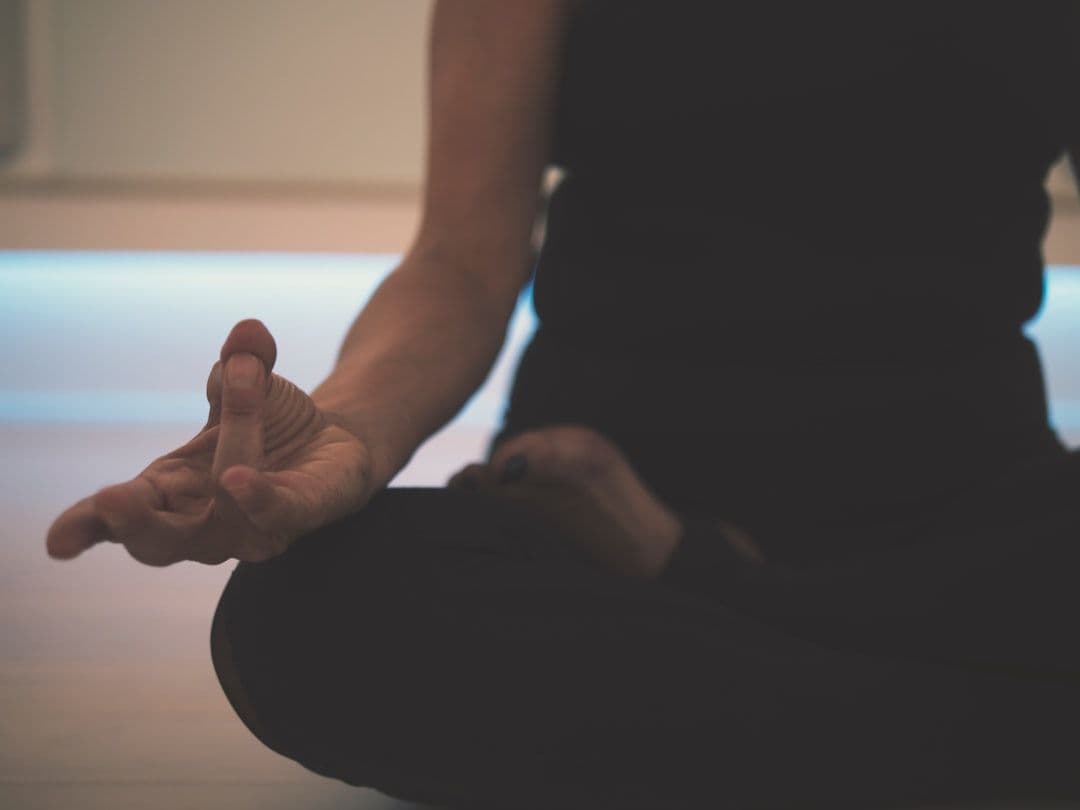
You sit in silence, spine straight, eyes closed. Your attention turns inward — not to escape the world, but to see it more clearly. Starting at the crown of your head, you notice whatever sensations arise: warmth, tingling, pressure, or perhaps nothing at all. Slowly, methodically, you move your awareness down through every part of your body, observing without trying to change anything.
This is Vipassana — literally meaning 'clear seeing' or 'insight' in Pali. Unlike meditation practices focused on concentration or relaxation, Vipassana trains what Buddhist tradition calls 'bare attention' — the ability to observe experience as it unfolds without the usual mental commentary, resistance, or grasping.
When a sensation feels pleasant, you notice the tendency to want more of it. When uncomfortable feelings arise — physical pain, restlessness, or emotional discomfort — you observe the instinctive urge to push them away. The practice lies not in achieving any particular state, but in developing the capacity to witness these patterns of attraction and aversion with equanimity.
Roots in the Buddha's Teaching
Vipassana emerged from the meditation instructions attributed to Siddhartha Gautama, the historical Buddha, in the 5th century BCE. Within the Theravada Buddhist tradition of Southeast Asia — particularly Myanmar, Thailand, and Sri Lanka — these techniques were preserved in monastic communities for over two millennia.
The practice nearly disappeared from public accessibility until the late 19th and early 20th centuries, when Burmese meditation masters like Ledi Sayadaw began teaching laypeople. Most significantly, Sayagyi U Ba Khin developed a systematic approach that his student S.N. Goenka later brought to India and eventually worldwide.
Goenka's method, which strips away religious elements whilst preserving the core technique, has become the most widespread form of Vipassana in the West. However, other lineages — including those from Thai forest tradition masters like Ajahn Chah, and the Mahasi method from Myanmar — offer different approaches within the same fundamental framework of insight development.
How Awareness Develops Insight
Within Buddhist understanding, suffering arises from our habitual reactions to experience — constantly seeking pleasant sensations and avoiding unpleasant ones. Vipassana works by training practitioners to observe this reactive pattern directly, developing what the tradition calls 'equanimity' — a balanced state of mind that doesn't automatically push away or grasp at experiences.
The systematic body scanning serves a specific purpose: by observing sensations as they arise, change, and pass away, practitioners begin to recognise the impermanent nature of all experience. This isn't intellectual knowledge but direct, felt understanding. When you've watched hundreds of sensations come and go during meditation, the grip of both pleasant and unpleasant experiences naturally loosens.
From a contemporary perspective, neuroscientists studying meditation have identified changes in brain regions associated with self-awareness, emotional regulation, and default mode network activity. However, these findings complement rather than replace the traditional framework — Vipassana practitioners have developed sophisticated maps of consciousness that operate independently of modern scientific validation.
Who Finds Value in This Practice
Vipassana particularly appeals to people drawn to systematic, methodical approaches to mental development. Unlike practices focused primarily on stress reduction, this tradition attracts those seeking deeper psychological insight and spiritual development within a clear philosophical framework.
People managing chronic anxiety often find value in Vipassana's approach to observing difficult emotions without being overwhelmed by them. Rather than trying to eliminate anxiety, the practice teaches how to relate differently to anxious thoughts and sensations. Similarly, those dealing with chronic pain sometimes discover that whilst the physical sensation remains, their suffering around it can transform through changed perception.
The practice also draws individuals interested in Buddhist philosophy who want experiential rather than purely intellectual engagement with concepts like impermanence and non-self. Many practitioners report that regular Vipassana meditation provides a foundation for navigating life's inevitable difficulties with greater equanimity and less reactive suffering.
The Traditional Ten-Day Course
Most people encounter Vipassana through a residential 10-day course taught in the tradition of S.N. Goenka. These courses follow a strict schedule: participants wake at 4am for the first meditation session, maintain complete silence throughout, and meditate for approximately 10 hours daily with breaks for simple vegetarian meals.
The curriculum progresses systematically. The first three days focus on Anapana — awareness of breath at the nostrils to develop concentration. From day four onwards, participants learn the body scanning technique, moving attention methodically from head to feet, noticing whatever sensations arise. Evening discourses explain the philosophical framework and practical guidance.
This intensive format isn't arbitrary — the tradition holds that sustained practice over multiple days allows deeper patterns of mental conditioning to surface and be observed. Many practitioners describe the experience as challenging but transformative, noting that the structure creates conditions for insights that don't typically arise during brief daily meditation sessions.
Shorter introductory courses and ongoing weekly groups are increasingly available for those unable to commit to the full residential format, though traditional teachers emphasise that the 10-day experience provides the most complete foundation.
Finding Qualified Instruction
Vipassana instruction in the Goenka tradition is offered freely at centres worldwide, funded entirely by donations from previous students. These courses maintain strict adherence to the original teaching methodology and are led by teachers who have completed extensive training within this specific lineage.
Other authentic Vipassana lineages include teachers trained in the Thai forest tradition, often found through Buddhist monasteries or dharma centres, and instructors following the Mahasi method from Myanmar. When choosing a teacher, look for someone with substantial personal practice experience (typically years of regular retreat attendance) and formal authorisation within a recognised lineage.
The Insight Meditation Society in America and Gaia House in the UK represent well-established centres offering various approaches to insight meditation. Many qualified teachers hold credentials recognised by Buddhist organisations, though the tradition values depth of practice and understanding over formal certifications.
Daily practice can begin independently after proper instruction, but most teachers strongly recommend periodic retreat attendance to deepen understanding. Home practice typically involves one or two sessions of 45-60 minutes daily, maintaining the same systematic body scanning technique learned during formal instruction.