Preparing for Your Session
Wear loose, comfortable clothing that won't restrict your breathing or circulation. Natural fibres work well as synthetic materials can feel uncomfortable during longer periods of sitting. Remove watches, jewellery, or anything that might press against your body.
Eat lightly beforehand — a heavy meal can make you drowsy, whilst hunger can become a persistent distraction. Avoid caffeine for several hours before your session, as heightened alertness can make it harder to settle into the subtle observation required.
Arrive with realistic expectations. Vipassana isn't about achieving blissful states or stopping thoughts entirely. You're learning to observe whatever arises in your experience with equanimity, whether pleasant or unpleasant.
The Practice Unfolds
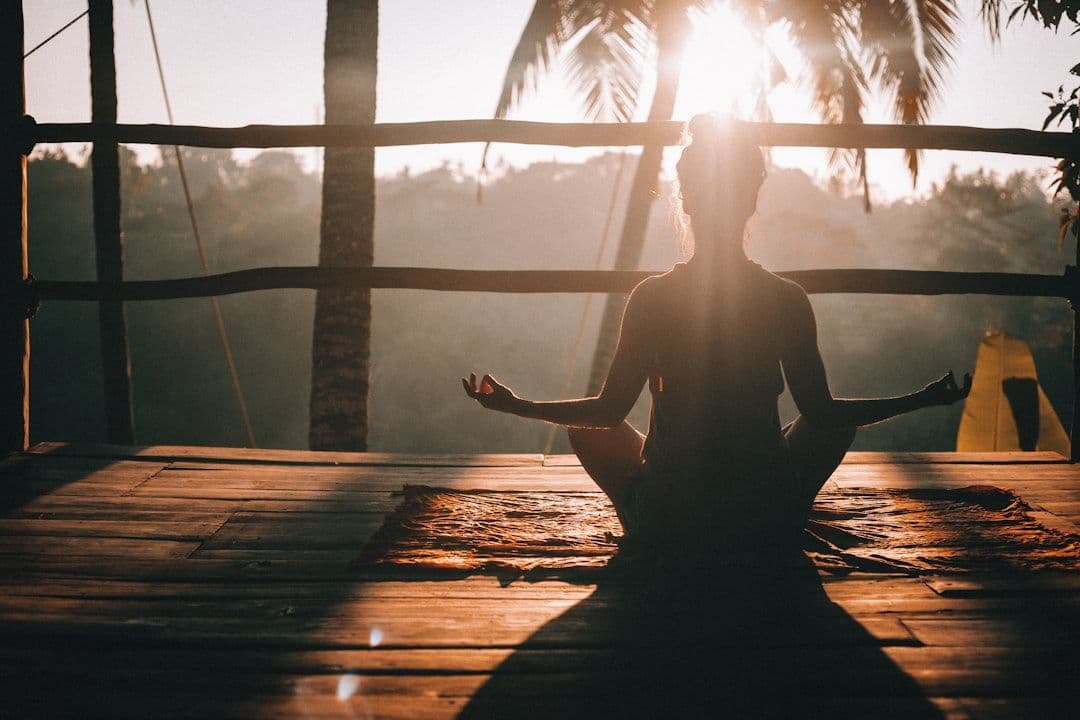
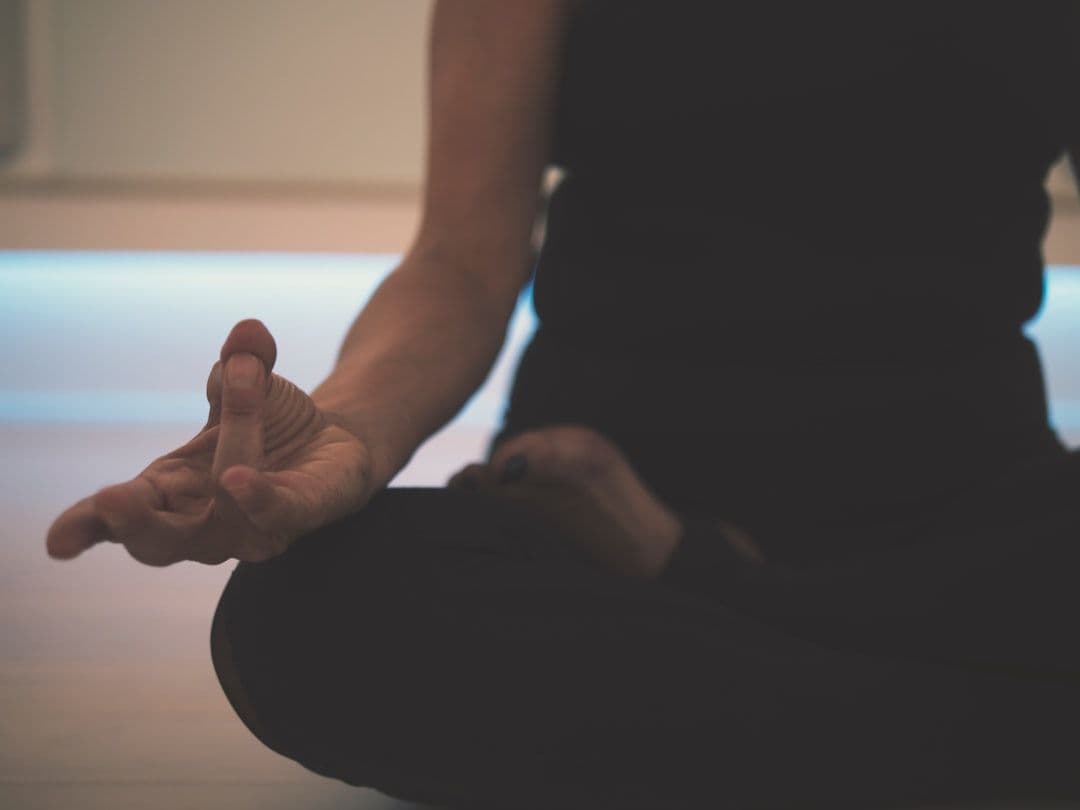
You'll typically sit on a cushion or chair in a quiet space, often with others practicing silently nearby. The teacher may offer brief instructions, then periods of silence dominate — sometimes lasting 45 minutes to an hour for beginners.
The practice begins with establishing mindful awareness of breathing, not to control the breath but to anchor attention in the present moment. You'll notice the sensation of air entering and leaving your nostrils, the rise and fall of your abdomen.
Next comes the systematic body scan that defines Vipassana practice. Starting from the top of your head, you'll slowly move your attention through each part of your body — forehead, eyes, cheeks, jaw, neck — noticing whatever sensations arise. Some areas feel warm, others cool. You might detect tingling, pressure, tension, or nothing discernible at all.
The instruction remains consistent: observe without trying to change anything. When pleasant sensations arise, notice any tendency to grasp or intensify them. When uncomfortable feelings appear — and they will — observe any impulse to shift position or push them away. Both reactions receive the same quality of awareness.
What You Might Experience
Physical sensations vary enormously between individuals and sessions. Some people report waves of tingling, others feel heat or coolness moving through their body. Many notice areas of tension they weren't previously aware of. It's equally common to feel very little in certain body regions.
Mentally, you might find your attention wandering constantly at first. This isn't failure — noticing that your mind has drifted and gently returning to the body scan is the practice itself. Some people experience emotional releases, memories surfacing, or periods of unusual clarity.
Physical discomfort often intensifies as sessions progress. Your back may ache, legs might feel stiff or numb. In traditional Vipassana training, you're encouraged to observe these sensations rather than immediately adjusting your position, though safety always comes first.
After the session, many people report feeling calmer or more centred, though some feel unsettled or emotionally stirred up. Both responses indicate the practice is working — you're developing awareness of normally unconscious processes.
After Your Session
Move slowly as you transition back to ordinary activity. Sit quietly for a few minutes before standing, especially if you've been practicing for longer periods. Your awareness may feel heightened or slightly altered.
Avoid immediately rushing into stimulating activities. Many practitioners find it helpful to maintain a sense of mindful awareness as they go about their day, noticing how the quality of attention cultivated during practice can inform daily experiences.
Don't analyse or judge your session immediately afterwards. The insights from Vipassana practice often emerge gradually rather than as immediate revelations. Some people notice subtle shifts in their reactivity to stress or their relationship with physical discomfort over time.
Hydrate well and eat mindfully if you're hungry. The practice can be surprisingly tiring as you're developing new patterns of attention that require mental energy.
Building a Practice
Single sessions provide a taste of Vipassana, but the practice traditionally unfolds through sustained commitment. Many centres offer 10-day silent retreats for those wanting to establish a serious practice, though this intensive format isn't suitable for everyone.
More accessible options include weekly group sessions or shorter weekend workshops. Daily home practice, even for 20-30 minutes, often proves more valuable than occasional longer sessions.
Within traditional Buddhist understanding, Vipassana develops three key qualities: mindfulness, concentration, and insight. These emerge gradually through consistent practice rather than dramatic breakthrough moments. Experienced practitioners often describe subtle but profound shifts in how they relate to challenging emotions and difficult circumstances.
Consider finding a qualified teacher within an established tradition. The practice involves encountering aspects of your mental and physical experience that can be challenging to navigate alone, particularly as your practice deepens.