Current Evidence Landscape
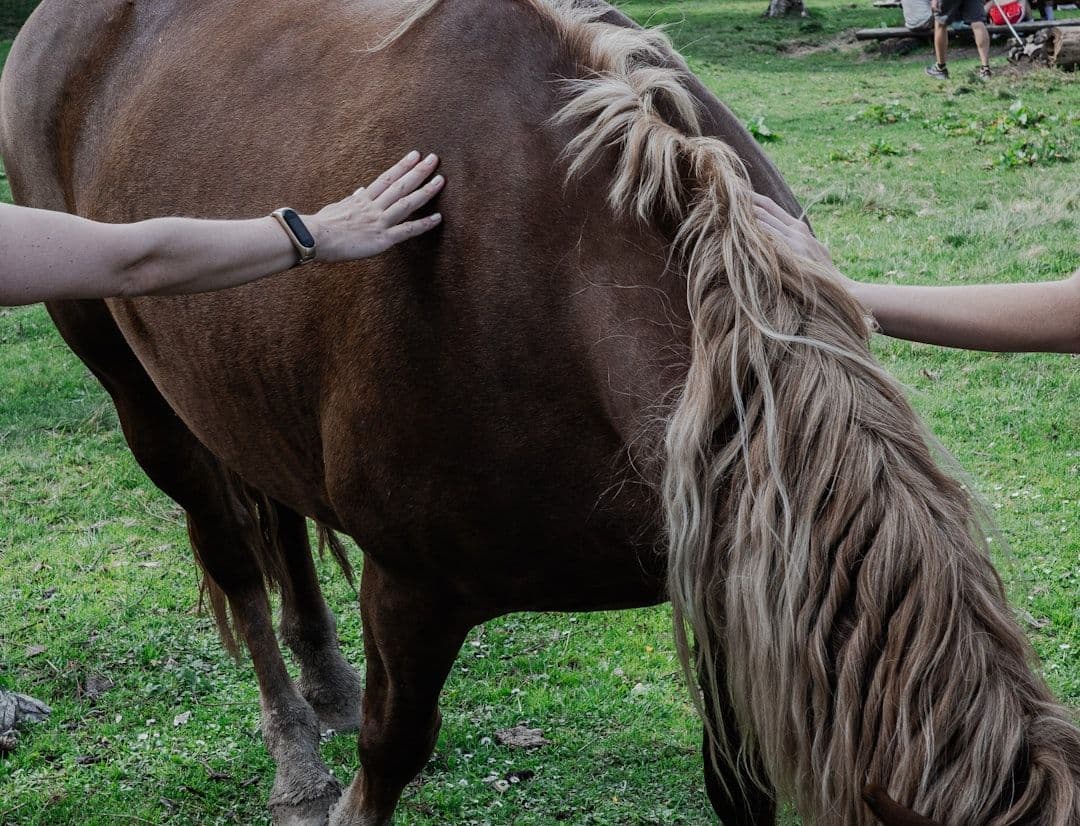
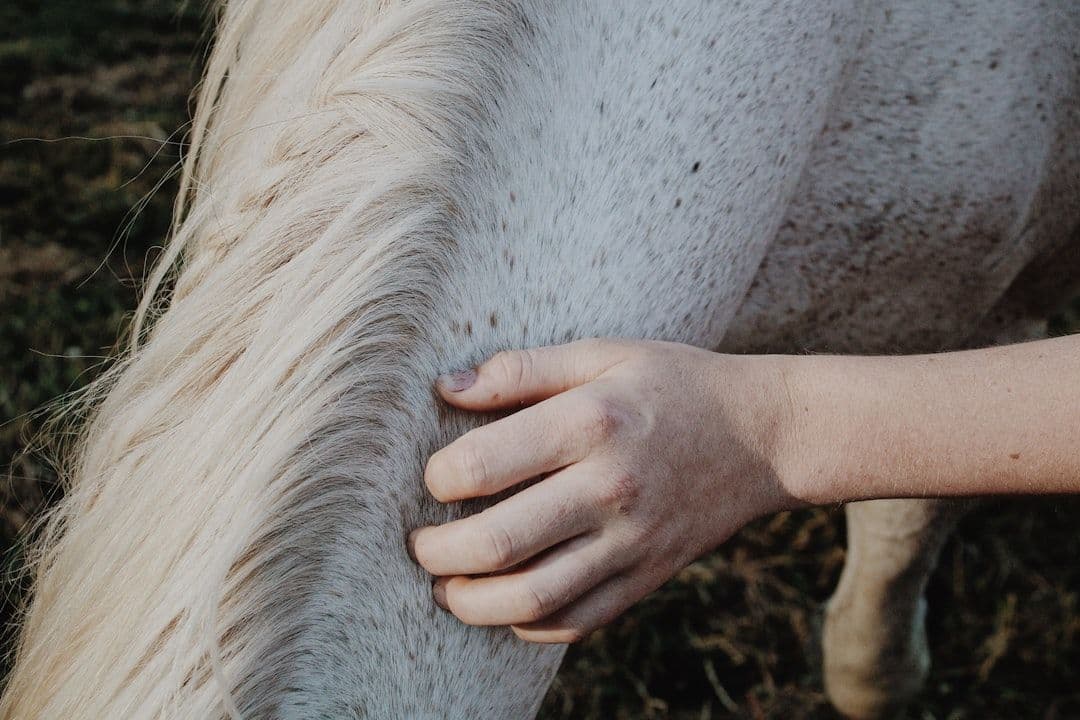
The research base for animal massage remains notably sparse compared to human therapeutic massage. Most published studies focus on equine applications, reflecting both the economic value of performance horses and their accessibility for research protocols.
A handful of small trials have examined physiological markers in horses receiving massage before or after exercise. These studies typically involve 10-30 animals and measure outcomes like heart rate variability, cortisol levels, or muscle temperature using thermal imaging. The methodological quality varies considerably, with many lacking proper control groups or blinded outcome assessment.
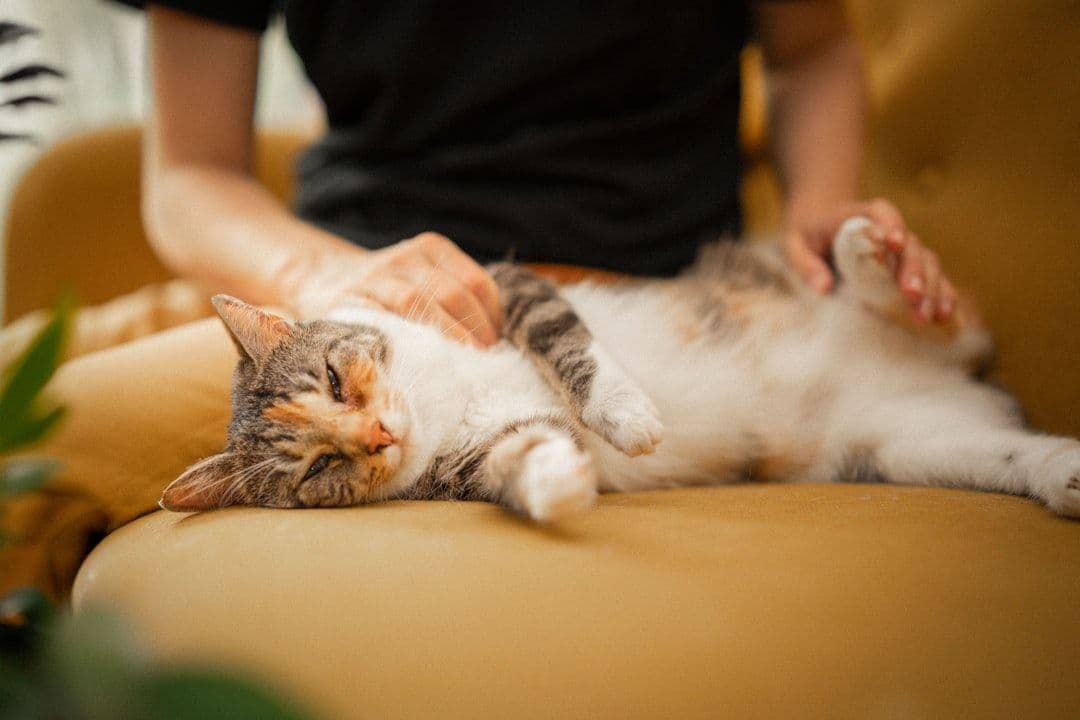
Research on companion animals is even more limited. Case studies and small observational series comprise most of the available evidence for dogs and cats, often focusing on animals recovering from surgery or managing chronic conditions like arthritis.
Key Research Findings
The strongest evidence comes from equine studies examining post-exercise recovery. Research has measured physiological markers like muscle temperature and blood lactate levels, with some studies suggesting faster return to baseline values following massage protocols.
One notable area of investigation involves stress indicators. Small studies have documented changes in cortisol levels and behavioural stress markers in horses and dogs following massage sessions. However, these studies typically involve fewer than 20 animals and lack the robust controls needed to draw definitive conclusions.
Circulation and lymphatic drainage represent another research focus. Thermal imaging studies in horses have shown temporary increases in muscle temperature following massage, suggesting enhanced blood flow. Whether these acute changes translate to meaningful therapeutic benefits remains unclear.
Evidence Limitations and Gaps
The most significant limitation is the lack of properly designed randomised controlled trials. Most studies suffer from small sample sizes, often fewer than 15 animals per group, limiting statistical power and generalisability.
Blinding presents particular challenges in massage research. While outcome assessors can sometimes be blinded to treatment allocation, the animals and handlers cannot, potentially influencing behavioural measurements and stress indicators.
Standardisation of massage protocols varies widely between studies. Different techniques, pressures, durations, and anatomical focus areas make it difficult to compare results or identify optimal approaches. This heterogeneity reflects real-world practice but complicates evidence synthesis.
Publication bias may also skew the available evidence. Small positive studies are more likely to be published than negative results, particularly in a field where commercial interests intersect with research funding.
What the Evidence Supports
Current research suggests that massage may produce measurable physiological changes in animals, particularly related to circulation and stress markers. However, whether these changes translate to clinically meaningful benefits remains largely unproven.
The evidence is most promising for post-exercise applications in athletic animals, where small studies have documented faster recovery of certain physiological parameters. For companion animals, the evidence base is too limited to draw confident conclusions about therapeutic benefits.
Safety appears favourable when massage is performed by practitioners trained in animal anatomy and behaviour, working alongside veterinary professionals. Serious adverse events have not been reported in the published literature, though this may reflect under-reporting rather than true absence of risks.
Research Priorities and Future Directions
Larger, well-designed randomised controlled trials represent the most pressing research need. Studies should include adequate sample sizes, proper control groups, and standardised outcome measures relevant to animal welfare and function.
Species-specific research is particularly important. The anatomical and physiological differences between horses, dogs, cats, and other animals likely influence massage effects, yet most protocols are extrapolated from equine or human studies.
Long-term outcome studies are notably absent. Current research focuses on immediate physiological changes, but questions about sustained benefits, optimal treatment frequency, and integration with other therapies remain unanswered. Research examining owner-reported quality of life measures could provide valuable insights into real-world effectiveness.